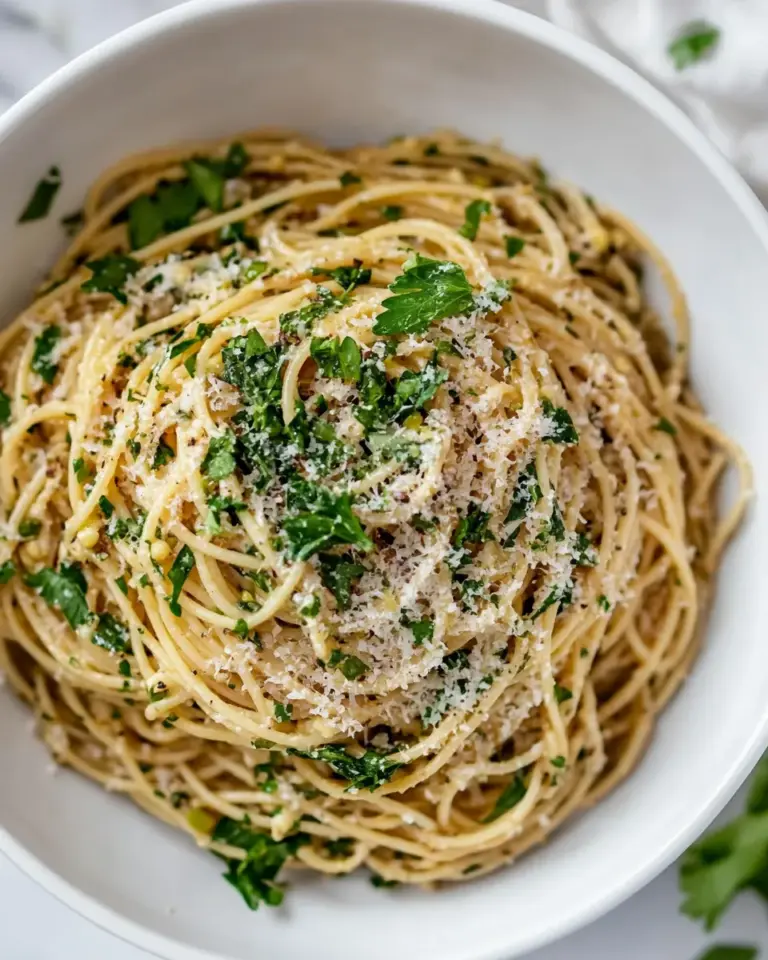
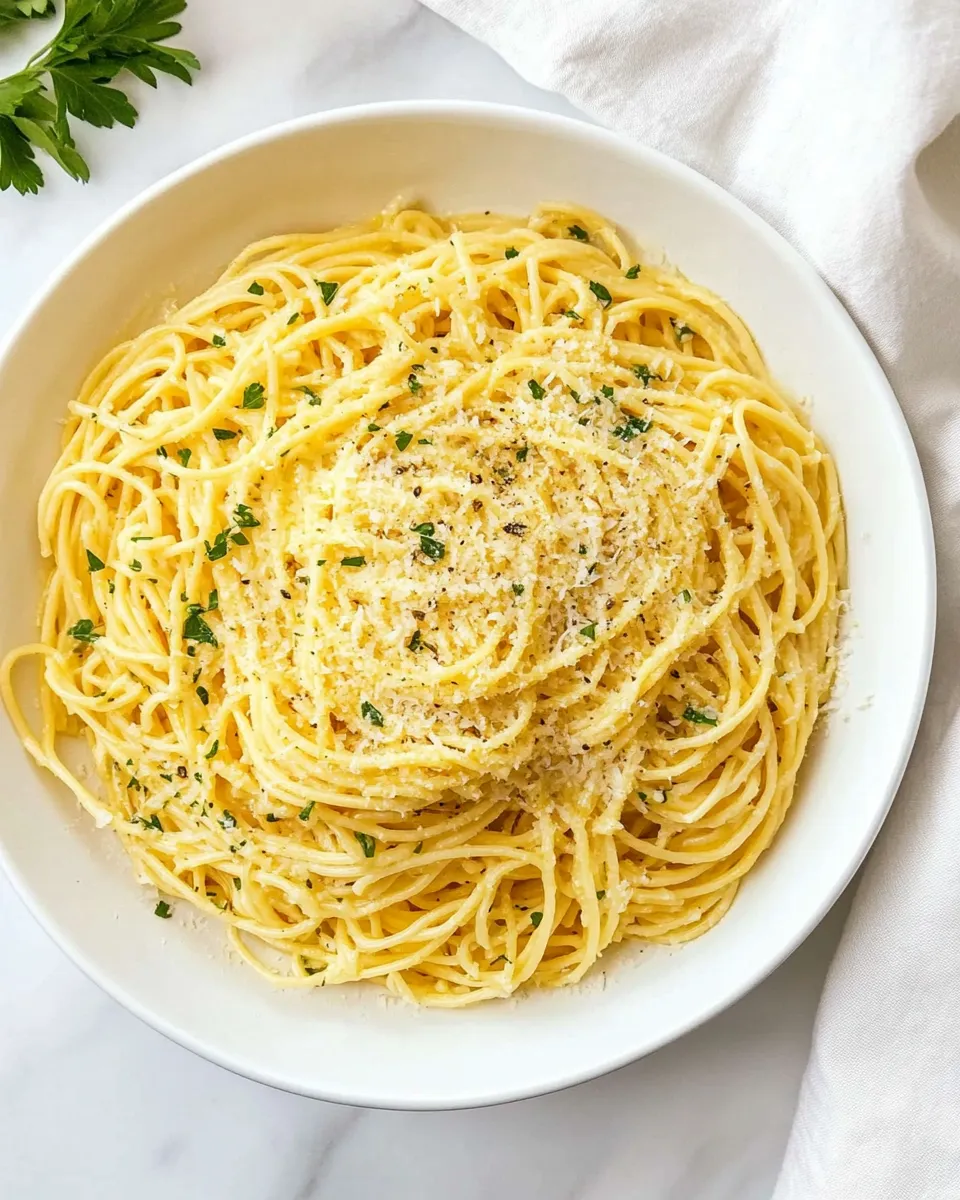
Old Spaghetti Factory Browned Butter and Mizithra Cheese
This is one of those deceptively simple pasta recipes that tastes like it took all afternoon to make. With nutty browned butter, sharp cheeses, and al dente spaghetti, this dish is comfort food with a little bit of shine. The combination of Mizithra and Romano cheeses gives bright, tangy notes and a lovely salty backbone, while the browned butter fills the plate with toasted, caramelized aroma. It’s fast, elegant, and perfect for weeknights or a no-fuss dinner for guests.
Old Spaghetti Factory Browned Butter and Mizithra Cheese showcases pantry-friendly ingredients and rewards just a little attention at the stove. You don’t need obscure items—16 ounces of pasta and one cup of butter are the backbone of the dish. A half cup each of grated Mizithra and Romano cheese bring flavor and texture, and a tablespoon of minced parsley finishes it with color and freshness. Read on for tips, step-by-step instructions, and serving suggestions so your plate comes out perfectly every time.
Why this version works
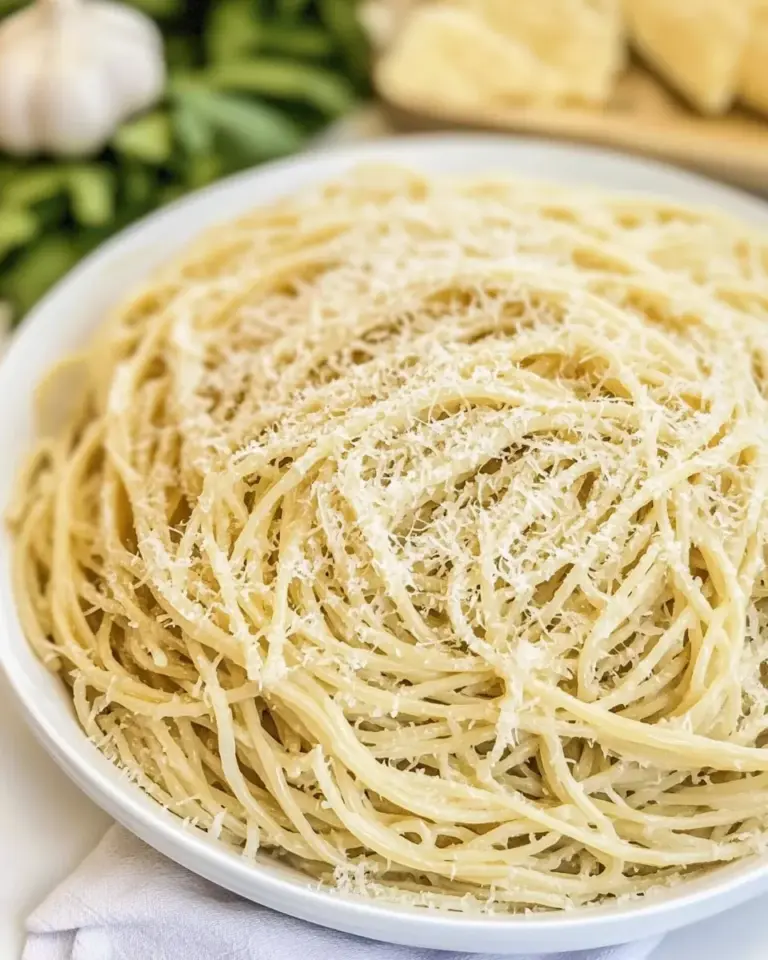
Many classic pasta preparations rely on quality ingredients and technique more than long ingredient lists. Browning butter transforms it from a neutral cooking fat into a fragrant sauce with notes of toasted hazelnut and caramel. Mizithra cheese, a sheep’s-milk cheese commonly used in Mediterranean cooking, contributes a dry, crumbly, tangy character that pairs beautifully with butter and durum wheat pasta. Romano lends saltiness and a bright finish. Together the three components create layers of taste without masking the pasta itself.
Ingredients
- 16 ounces pasta
- 1 cup butter, salted or unsalted
- 1/2 cup grated Mizithra cheese
- 1/2 cup grated Romano cheese
- 1 tablespoon minced parsley
Equipment
- Large pot for boiling pasta
- Large skillet or shallow saucepan for browning butter
- Tongs or long-handled spoon for tossing pasta
- Colander
- Microplane or fine grater (if you need to grate cheese)
Prep tips
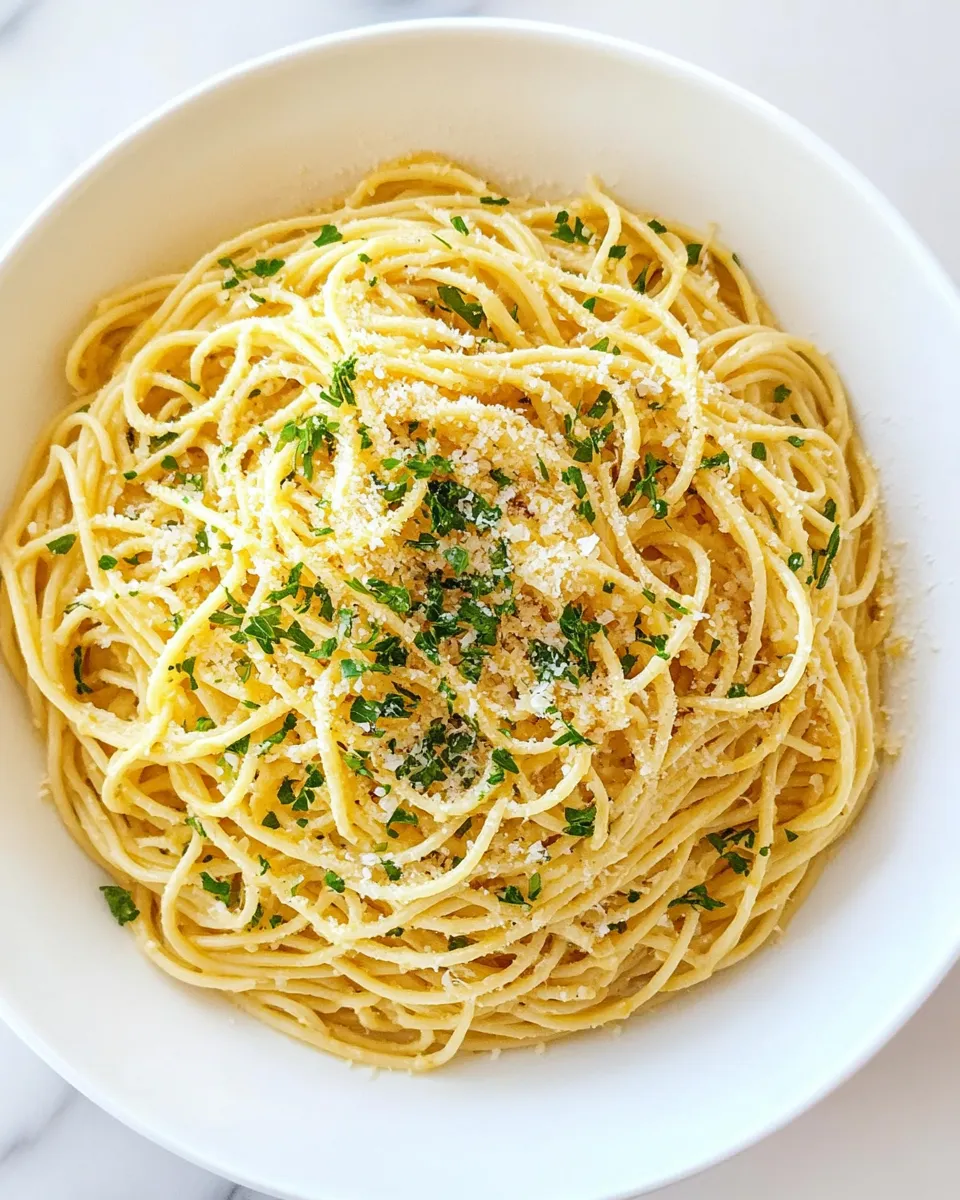
Before you begin, measure out the cheeses and parsley so everything is at hand. Bring a large pot of salted water to a rolling boil for the pasta—the water should taste like the sea. Shave or grate the Mizithra and Romano finely so they melt into the hot pasta and butter more evenly. Keep some reserved pasta water on hand to loosen the sauce if needed. Finally, use good-quality butter: the better the butter, the more complex the brown butter flavor will be.
Step-by-step instructions
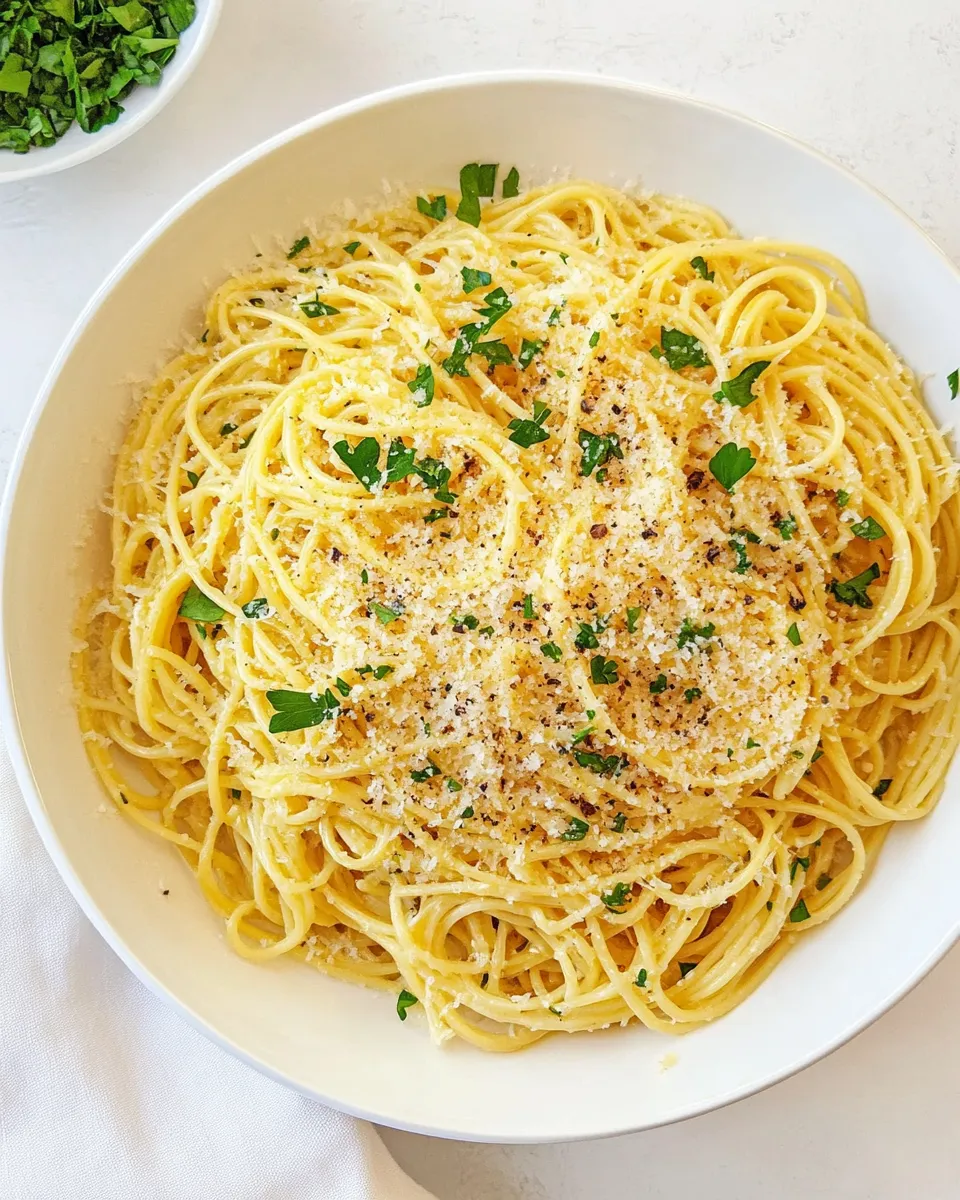
Follow these rewritten directions carefully to achieve the best texture and balanced flavor. The original order and ingredient amounts are preserved; the wording here clarifies technique and timing so you can execute each step with confidence.
- Bring a large pot of water to a vigorous boil. Salt the water generously so it tastes pleasantly salty; this seasons the pasta itself.
- Add 16 ounces of pasta to the boiling water and cook until al dente according to the package directions. Stir occasionally to prevent sticking. Taste near the lower end of the cooking time so the pasta retains a slight bite.
- While the pasta cooks, place 1 cup of butter in a large skillet or shallow saucepan over medium heat. Allow the butter to melt and then begin to foam. Watch it carefully—it will progress from foaming to a clearer appearance, and small brown solids (the milk solids) will start to form at the bottom of the pan.
- Continue cooking the butter, swirling the pan occasionally and stirring with a spoon as needed, until the butter turns a deep golden-brown color and releases a rich, nutty aroma. Remove the butter from the heat just as the solids reach a warm brown shade so they don’t burn; the carryover heat will finish the flavor. This is your browned butter.
- Reserve about one cup of the pasta cooking water, then drain the pasta in a colander. Return the hot pasta to the empty pot or place it into the skillet with the browned butter, depending on your cookware and space.
- If the pasta is in the skillet with the browned butter, toss gently to coat. If the pasta is in the pot, pour the browned butter over the pasta. Add a few tablespoons of the reserved pasta water as needed to help the butter adhere and create a light sauce; toss or stir until the pasta is evenly coated. The starch in the reserved water will help emulsify the sauce.
- Sprinkle 1/2 cup grated Mizithra cheese and 1/2 cup grated Romano cheese over the buttered pasta. Toss or fold the pasta so the cheeses melt into the warm butter and cling to each strand. If the mixture feels dry, add more reserved pasta water, a tablespoon at a time, until you achieve a glossy, saucy texture that lightly coats the noodles.
- Once the cheeses are incorporated and the sauce is silky, taste and adjust. Because the cheeses provide salt and tang, additional seasoning is usually unnecessary; however, add a few cracks of fresh black pepper if you like a little heat.
- Transfer the pasta to a serving bowl or individual plates and sprinkle 1 tablespoon minced parsley over the top for freshness and color. Serve immediately while warm so the butter remains liquid and the cheeses continue to soften into the sauce.
Notes on ingredients and substitutions
Mizithra cheese is a dried sheep’s-milk cheese with a slightly grainy texture and tangy bite. If you cannot find it, a good substitute is a finely grated, aged sheep’s-milk cheese or a high-quality Pecorino that shares similar salty and tangy qualities. Romano is a sharper sheep’s-milk cheese; if needed, Pecorino Romano can be used interchangeably. When swapping, keep the same ingredient amounts to maintain the balance of flavor.
You may use salted or unsalted butter depending on your pantry and taste preference. If you use salted butter, be cautious about adding any extra salt to the pasta water; start with less and taste the finished dish before adjusting.
Serving suggestions and pairings
This dish is beautiful on its own, but a few simple accompaniments elevate the meal:
- A crisp, green salad dressed with lemon vinaigrette to cut through the richness.
- Warm, crusty bread to mop up any remaining butter and cheese.
- Lightly steamed or roasted seasonal vegetables—broccolini, asparagus, or green beans—offer color and texture contrast.
- A lemon wedge on the side if you want a bright citrus finish; a squeeze of juice livens the flavors.
Make-ahead and storage
For best results, this pasta is meant to be served immediately—brown butter solidifies as it cools and the texture changes. If you must store leftovers, place them in an airtight container in the refrigerator for up to 2 days. Reheat gently in a skillet over low heat with a splash of water to recreate a glossy sauce and prevent drying. Add a small knob of butter if the flavor needs a lift before serving.
Troubleshooting
- Burnt butter: If the butter turns very dark brown or black and smells acrid, discard and start again. Burnt milk solids taste bitter and will ruin the sauce.
- Dry pasta: If the mixture seems dry after adding cheese, add reserved pasta water a tablespoon at a time until you get a silky sauce.
- Salty pasta: Because the cheeses are salty, adjust the salted pasta water accordingly. If you over-salt accidentally, serve with an acidic salad or a squeeze of lemon on the pasta to balance.
Variations
Small tweaks can make this dish feel new each time:
- Add a soft-cooked egg on top for a rich, runny yolk that enriches the sauce.
- Toss in toasted pine nuts or chopped toasted walnuts for an extra nutty crunch that complements the browned butter.
- Stir in a handful of baby spinach in the final minute to wilt and add green color and nutrients.
- Sear thin slices of mushroom in additional browned butter for an earthy dimension.
Final thoughts
Old Spaghetti Factory Browned Butter and Mizithra Cheese is a recipe that celebrates small details: the precise moment when butter sings with nuttiness, the way finely grated Mizithra and Romano meld into warm pasta, and the bright lift from minced parsley. It’s a dish that feels both humble and elegant—perfect for a cozy dinner at home or a simple but impressive plate to share. With just five ingredients and a little attention, you’ll have a memorable pasta that tastes far more complex than the effort required.
Enjoy this comforting classic, and don’t be afraid to experiment with small additions that make the dish your own. Keep the technique the same—brown the butter carefully, cook the pasta al dente, and combine with the cheeses—then let your palate guide any extra touches.
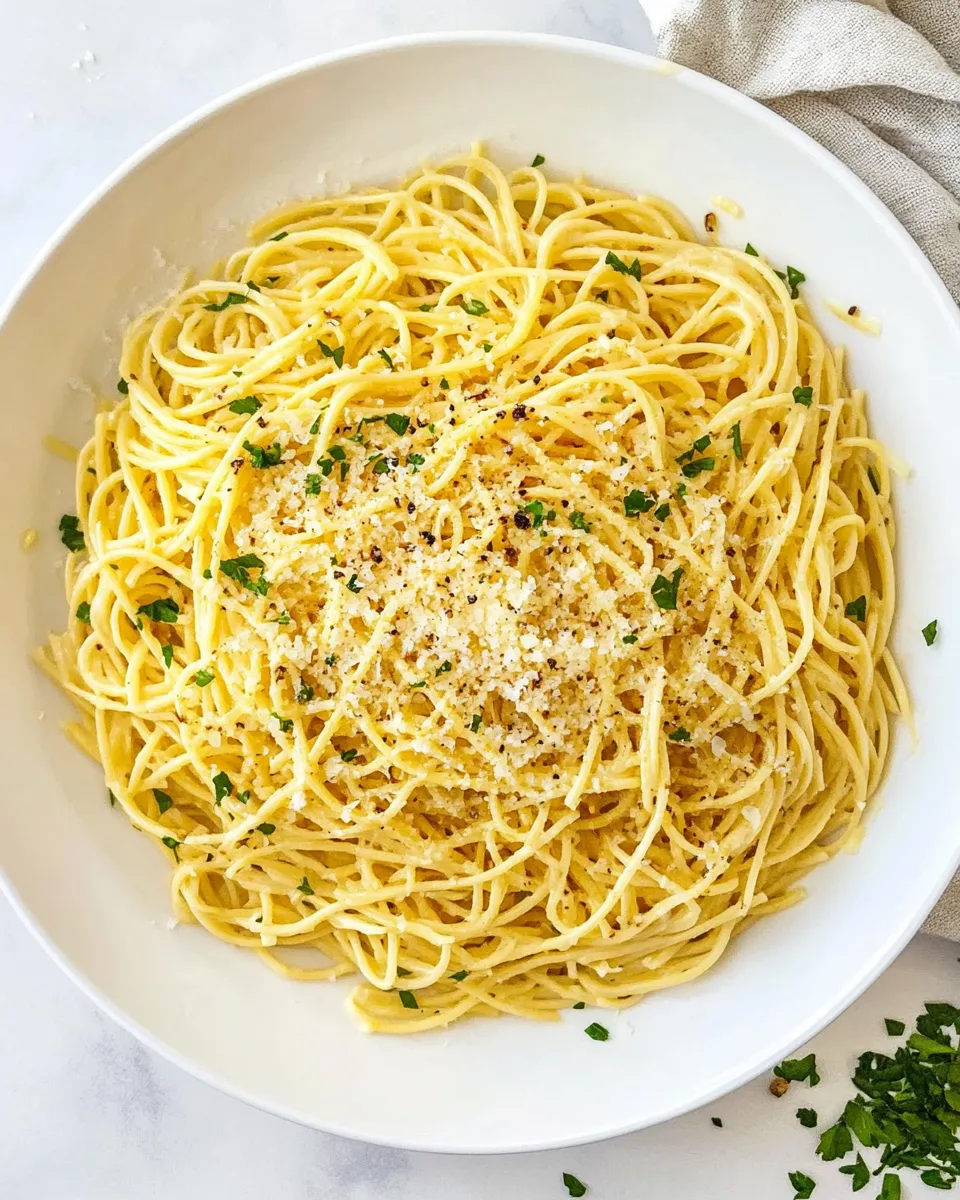
Old Spaghetti Factory Browned Butter and Mizithra Cheese
Ingredients
Equipment
Method
- Bring a large pot of salted water to a boil and cook the pasta according to package directions until al dente; drain in a colander but do not rinse.
- While the pasta cooks, melt the butter in a saucepan over medium heat.
- As the butter melts, skim off any foam with a spoon, then continue cooking until the butter turns golden brown and gives a nutty aroma, watching closely to avoid burning.
- Place the drained pasta in a large mixing bowl, pour the browned butter over it, then add the grated Mizithra and Romano cheeses.
- Toss vigorously until the pasta is evenly coated with butter and cheese; taste and adjust seasoning if needed.
- Sprinkle with the minced parsley and serve immediately.
Notes
- If butter is taking too long to brown, increase the heat slightly.
- If butter browns too quickly, remove the pan from heat immediately.
- If butter burns, discard and start over because burnt butter cannot be saved.
- Signs of properly browned butter are a golden brown color and a nutty aroma with brown bits on the bottom.
- Can’t find Mizithra? Use Parmesan cheese instead.
- For a sharper flavor, increase the ratio of Romano to Mizithra.