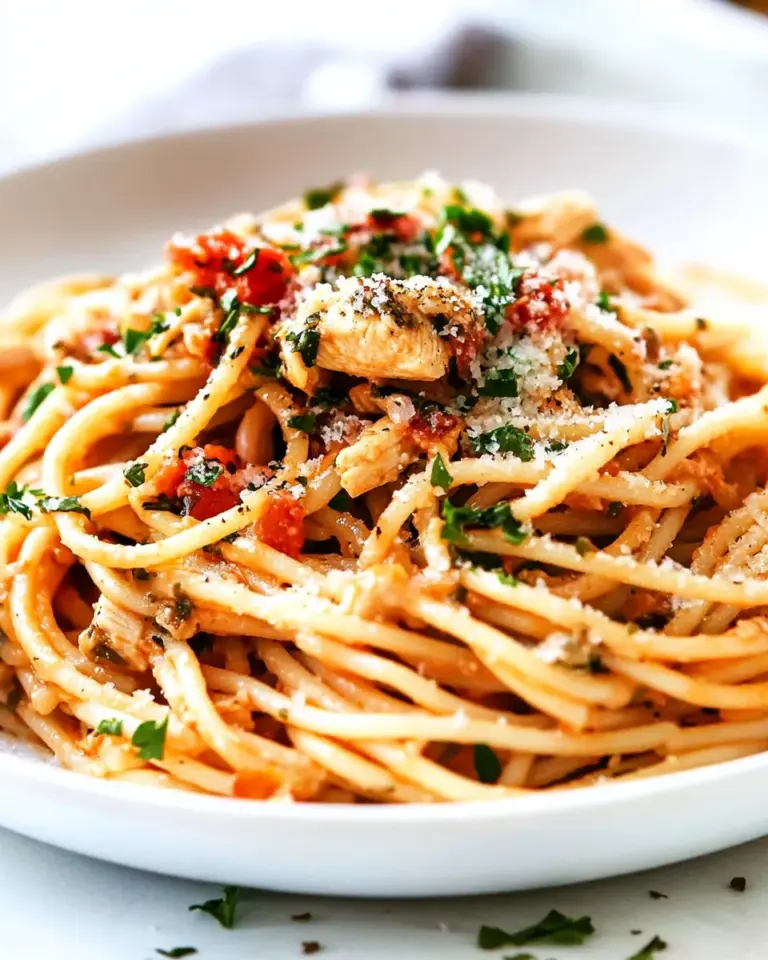
Spaghetti Marinara
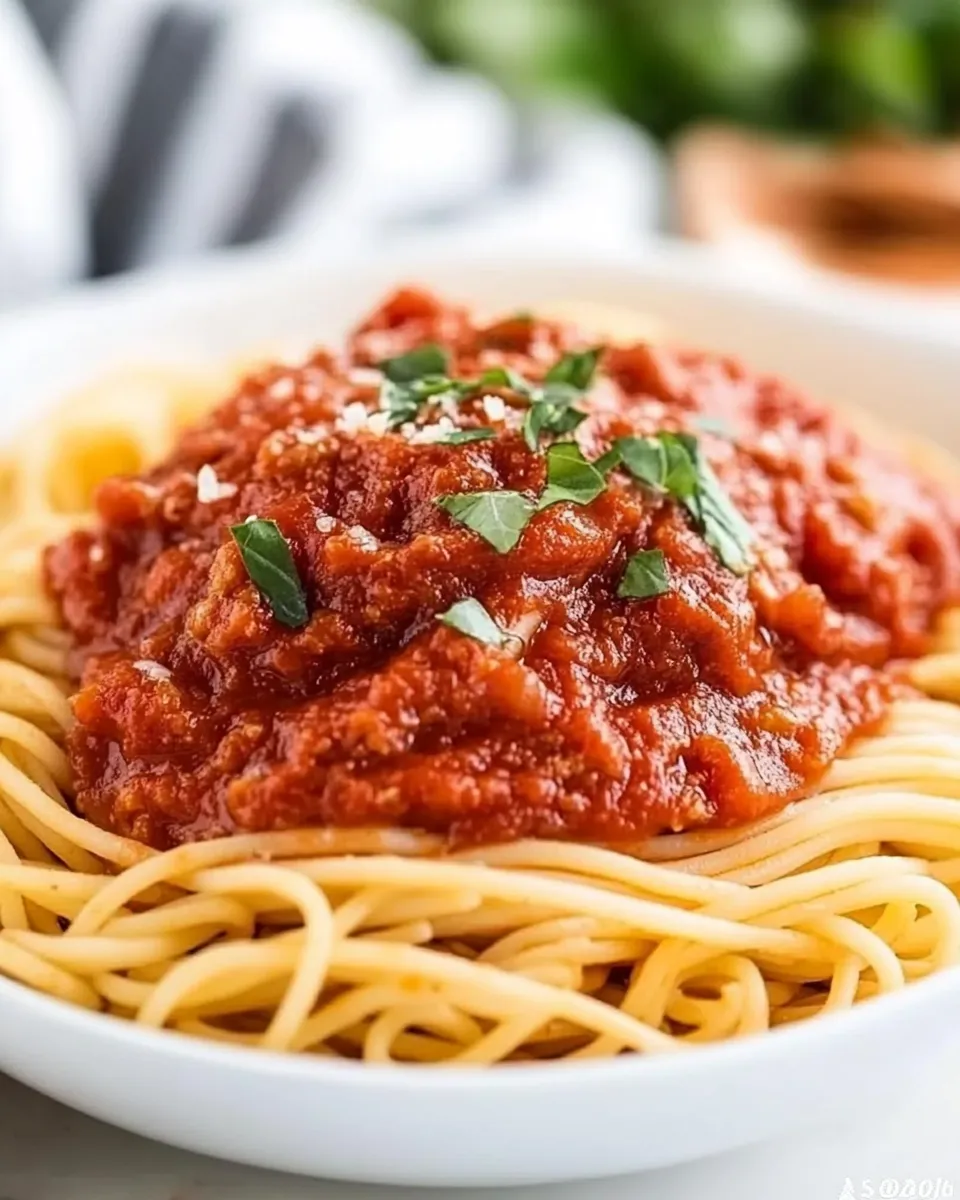
Spaghetti Marinara is one of those comforting, go-to dinners that feels like a warm hug on a plate. Simple ingredients, big flavor, and a sauce that clings to each strand of pasta—this recipe is perfect for weeknights, casual dinner parties, or anytime you want something reliably delicious. Below you’ll find everything you need: a clear ingredient list, step-by-step directions rewritten for clarity, tips for getting the best texture and flavor, and serving suggestions to make the most of this classic dish.
Why this recipe works
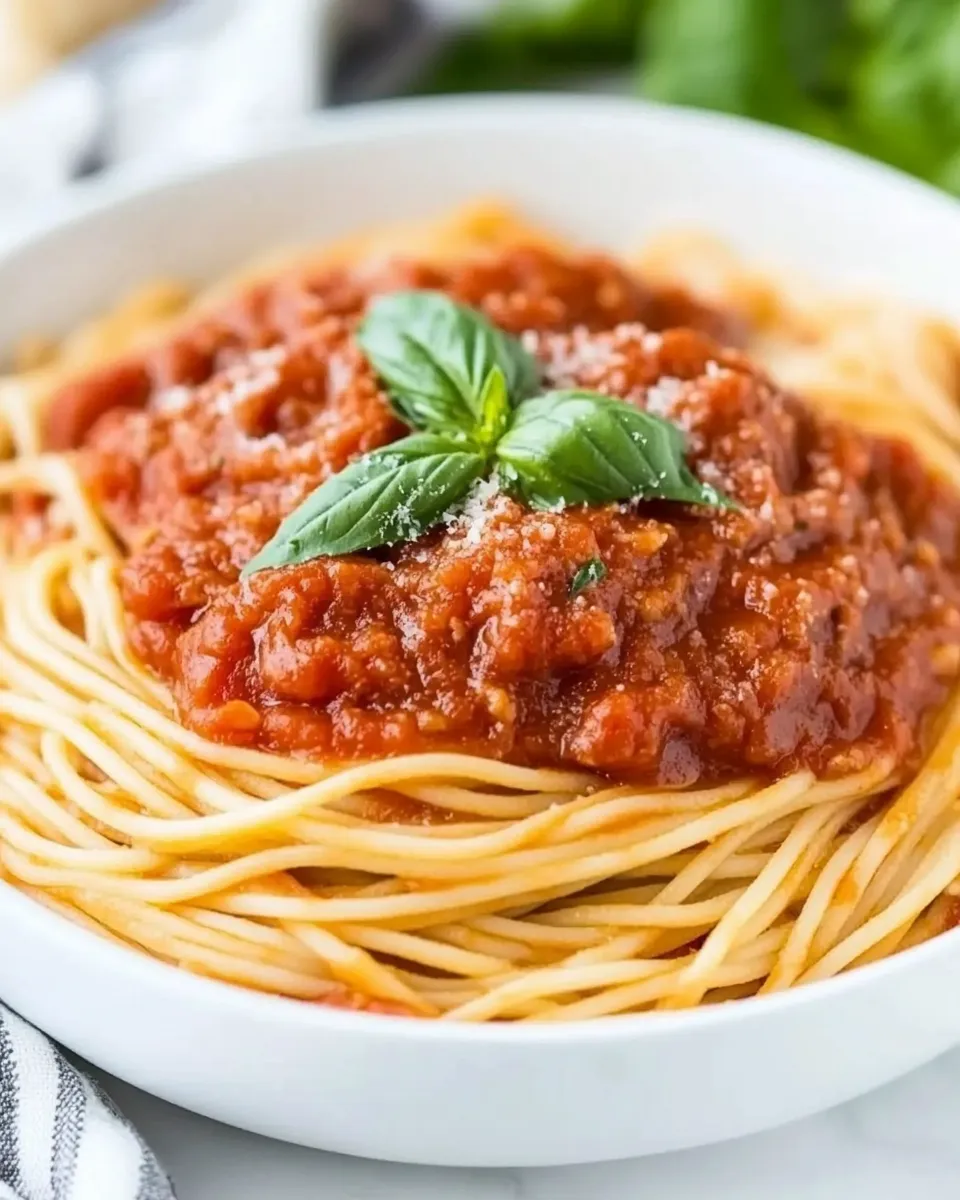
This version of Spaghetti Marinara balances bright, acidic tomatoes with aromatics and herbs for a sauce that is vibrant and layered. Using both stewed and crushed tomatoes gives body and texture—chunks from the stewed tomatoes and a smooth base from the crushed. Tomato paste deepens the flavor, while chicken broth (a mild, savory liquid) rounds everything out so the sauce doesn’t taste flat. Fresh parsley brightens the finish and a pinch of sugar tames harsh acidity. The result is a hearty, easy sauce that clings to spaghetti and tastes like it simmered all afternoon, even when you make it on a busy night.
Ingredients
- 16 ounces spaghetti, or other pasta
- 2 tablespoons olive oil
- 1 onion, finely diced
- 6 cloves garlic, pressed
- 29 ounces stewed tomatoes (2 cans)
- 28 ounces crushed tomatoes (1 large can)
- 2 tablespoons tomato paste
- 1 cup chicken broth
- 1/3 cup chopped fresh parsley
- 1 tablespoon granulated sugar
- 2 teaspoons dried oregano
- 1 teaspoon dried basil
- 2 teaspoons salt
- 1 teaspoon ground black pepper
Equipment
- Large pot for boiling pasta
- Large skillet or medium saucepan for the sauce
- Wooden spoon or silicone spatula
- Colander
- Chef’s knife and cutting board
- Measuring cups and spoons
Step-by-step directions
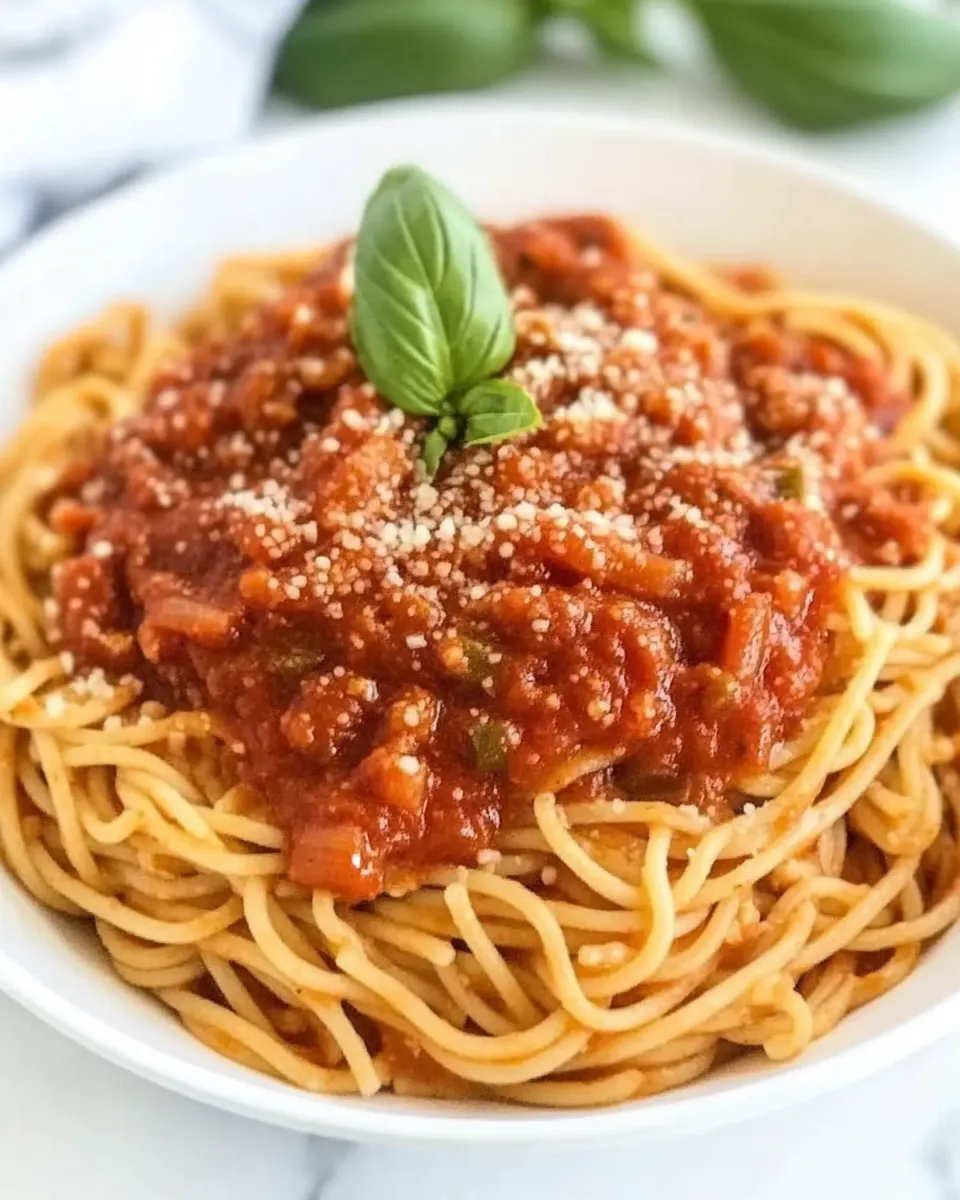
Follow these rewritten, clear steps to make the sauce and cook the spaghetti so they come together perfectly.
- Bring a large pot of salted water to a rolling boil for the pasta. Add the 16 ounces of spaghetti and cook according to package directions until al dente, usually 8–10 minutes depending on the brand. Reserve about 1 cup of the cooking water, then drain the pasta in a colander.
- While the pasta cooks, heat 2 tablespoons of olive oil in a large skillet or medium saucepan over medium heat. Wait until the oil shimmers slightly but is not smoking.
- Add the finely diced onion to the hot oil. Sauté, stirring occasionally, until the onion becomes translucent and soft, about 5–7 minutes. Don’t rush this step; a gentle browning adds sweetness and depth to the sauce.
- Add the 6 cloves of pressed garlic to the pan with the onion and cook for 30–60 seconds, stirring constantly, until the garlic becomes fragrant. Be careful not to let it burn, which would make the sauce bitter.
- Pour in the 29 ounces of stewed tomatoes and the 28 ounces of crushed tomatoes. Stir to combine the tomatoes with the onion and garlic.
- Stir in 2 tablespoons of tomato paste to concentrate the tomato flavor. Mix thoroughly so the paste dissolves into the sauce and creates a uniform texture.
- Add 1 cup of chicken broth to the sauce. The broth will thin the sauce slightly and add savory depth. Stir to combine.
- Season the sauce by adding 1 tablespoon granulated sugar, 2 teaspoons dried oregano, 1 teaspoon dried basil, 2 teaspoons salt, and 1 teaspoon ground black pepper. Stir well to distribute the seasonings evenly.
- Bring the sauce up to a gentle simmer over medium-low heat. Reduce the heat to low and let the sauce simmer, uncovered, for 15–20 minutes, stirring occasionally. This allows flavors to meld and the sauce to thicken slightly. If the sauce becomes too thick, stir in a few tablespoons of the reserved pasta water or more chicken broth until you reach the desired consistency.
- Stir in 1/3 cup chopped fresh parsley just before serving. Taste the sauce and adjust seasoning if necessary—add a pinch more salt or a touch more sugar to balance acidity if needed.
- Return the drained pasta to the pot or add it directly to the skillet with the sauce. Toss well to coat every strand of spaghetti, adding a splash of reserved pasta water if you want a silkier finish that helps the sauce cling to the pasta.
- Serve immediately in warm bowls. Garnish with additional chopped parsley if desired. Enjoy your plate of Spaghetti Marinara while hot.
Timing and make-ahead notes
The active prep time is about 15–20 minutes and simmering time is 15–20 minutes, so you should plan for roughly 35–45 minutes total from start to serve. The sauce improves if made a few hours ahead and reheated gently, which makes this recipe friendly for dinner plans. If you make the sauce a day ahead, store it in an airtight container in the refrigerator for up to 3 days and reheat over low heat, adding a splash of chicken broth if it thickens too much.
Tips for success
- Salt your pasta water generously. It should taste like seawater—this is the primary seasoning for the pasta itself and helps the final dish taste balanced.
- Press garlic rather than mincing for a more immediate, bold garlic flavor; adjust the amount to your preference.
- Reserve pasta water. The starchy water is a secret weapon for loosening the sauce and helping it cling to the noodles.
- Low and slow simmering helps flavors develop. Even 10–15 minutes on low produces a more cohesive sauce than a quick boil.
- If you prefer a smoother sauce, use an immersion blender for a few seconds after simmering; for a chunkier texture, leave the stewed tomatoes as they are.
- Finish with fresh parsley for brightness. You can also add a drizzle of extra virgin olive oil for a glossy finish and extra flavor.
Variations and additions
This base marinara is versatile. Here are a few ways to change the dish while keeping the same spirit:
- Vegetable boost: Sauté diced bell peppers, mushrooms, or grated carrots with the onion for extra texture and nutrition.
- Protein: Add cooked, shredded chicken or browned ground turkey for more substance if you want a heartier plate. Add the cooked protein to the sauce in step 9 to warm through.
- Spicy kick: Add 1/4–1/2 teaspoon red pepper flakes with the dried oregano to introduce heat.
- Herb swap: Substitute fresh basil (torn) for parsley at the end for a classic Italian herb finish.
Serving suggestions
Spaghetti Marinara pairs beautifully with a simple green salad dressed with lemon and olive oil or a crisp Caesar-style salad. For a more indulgent meal, serve with warm garlic bread—just brush slices of crusty bread with olive oil, rub with a cut garlic clove, and toast under the broiler until golden. A sprinkle of grated cheese at the table complements the tangy tomato sauce, but the dish is lovely on its own too.
Storage and reheating
Store leftovers in an airtight container in the refrigerator for up to 3 days. To reheat, warm gently in a skillet over low heat, stirring occasionally and adding a splash of chicken broth or reserved pasta water if the sauce thickens. If freezing, place the sauce (without pasta) in a freezer-safe container for up to 3 months. Thaw overnight in the refrigerator before reheating. Cooked pasta can be frozen but tends to lose some texture; reheating briefly in boiling water or sautéing in a pan with a touch of olive oil can help revive it.
Flavor troubleshooting
- Sauce too acidic: Stir in a little more granulated sugar, 1/4 teaspoon at a time, until balanced.
- Sauce too thin: Simmer uncovered a bit longer to reduce, or stir in an additional tablespoon of tomato paste.
- Sauce too thick: Add chicken broth or reserved pasta water a tablespoon at a time until you reach the desired consistency.
- Taste flat: Check salt levels and add a pinch more if needed. A splash of good-quality olive oil at the end can also lift flavors.
Final notes
This Spaghetti Marinara is designed to be approachable and reliable while delivering bold, balanced tomato flavor. The combination of stewed and crushed tomatoes gives you both texture and a smooth base; tomato paste and chicken broth add depth; herbs, sugar, and salt tune the sauce until it sings. Whether you’re feeding family, meal-prepping for the week, or craving a simple, satisfying dinner, this recipe delivers classic results every time.
Enjoy your meal and feel free to experiment with small tweaks to personalize the sauce to your taste. Good ingredients, a bit of patience, and these clear steps are all you need to make a memorable pot of Spaghetti Marinara.
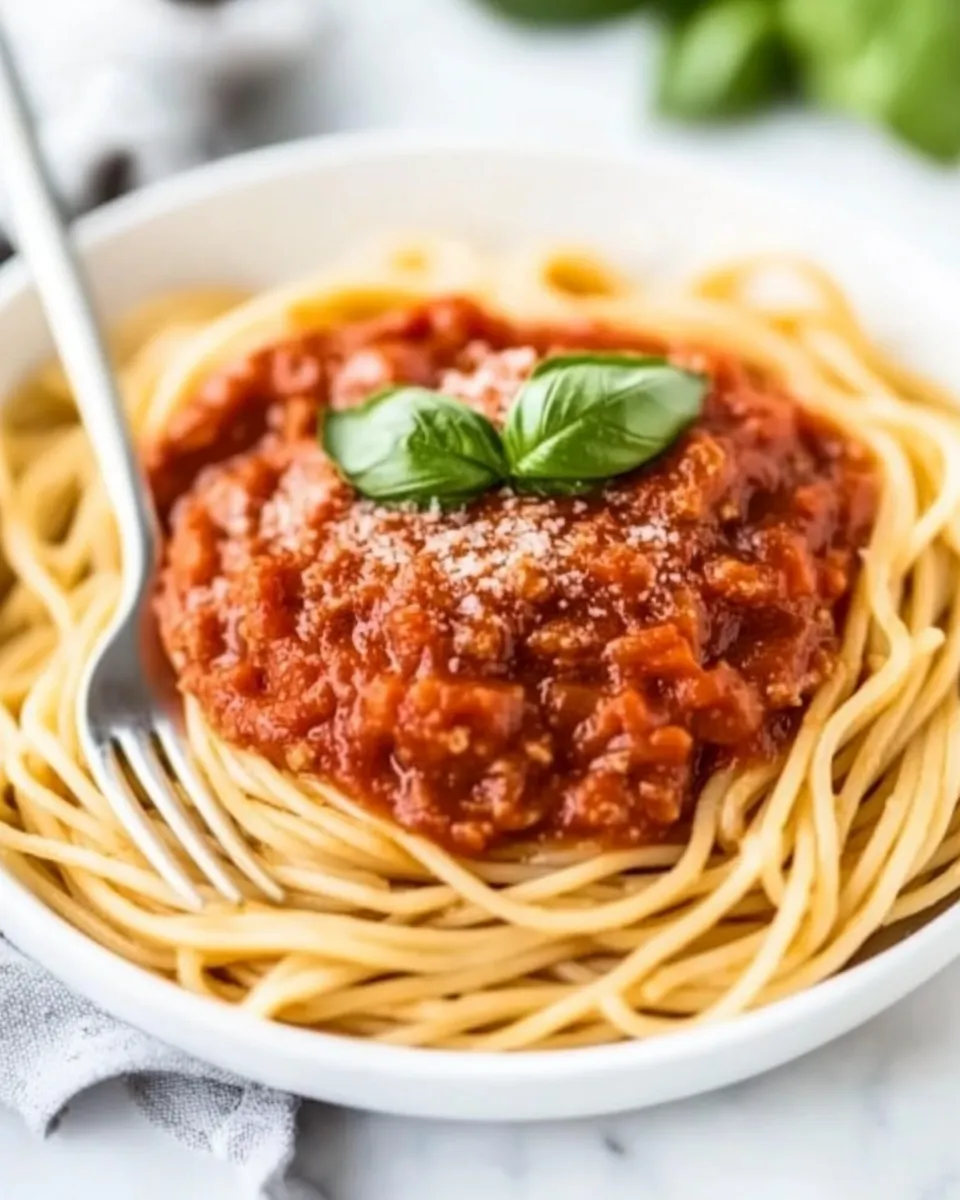
Spaghetti Marinara
Ingredients
Equipment
Method
- Bring a large pot of salted water to a boil and cook the spaghetti according to package directions until al dente; drain and set aside.
- Heat the olive oil in a large pot or Dutch oven over medium heat.
- Add the finely diced onion and sauté until translucent, about 5–7 minutes.
- Add the pressed garlic and cook, stirring, for 30–60 seconds until fragrant.
- Stir in the stewed tomatoes, crushed tomatoes, tomato paste, chicken broth, chopped parsley, sugar, dried oregano, dried basil, salt, and black pepper.
- Bring the sauce to a gentle simmer, cover, and cook for 20–30 minutes, stirring occasionally; you may simmer up to 2 hours for deeper flavor if desired.
- If you prefer a smoother sauce, blend with an immersion blender until you reach the desired texture, or leave it chunky and break larger tomato pieces with a spoon.
- Toss the drained spaghetti with the marinara in the pot to coat, or serve the pasta plain and spoon the sauce over individual portions, then serve immediately.
Notes
- Beef or vegetable broth can replace chicken broth.
- Cool sauce completely before freezing in a freezer-safe container.
- Refrigerate leftovers for 3–5 days.
- Freeze leftovers up to 6 months.
- Thaw frozen sauce overnight in the fridge before reheating.
- This recipe yields about 8 cups of marinara and can be doubled or halved as needed.