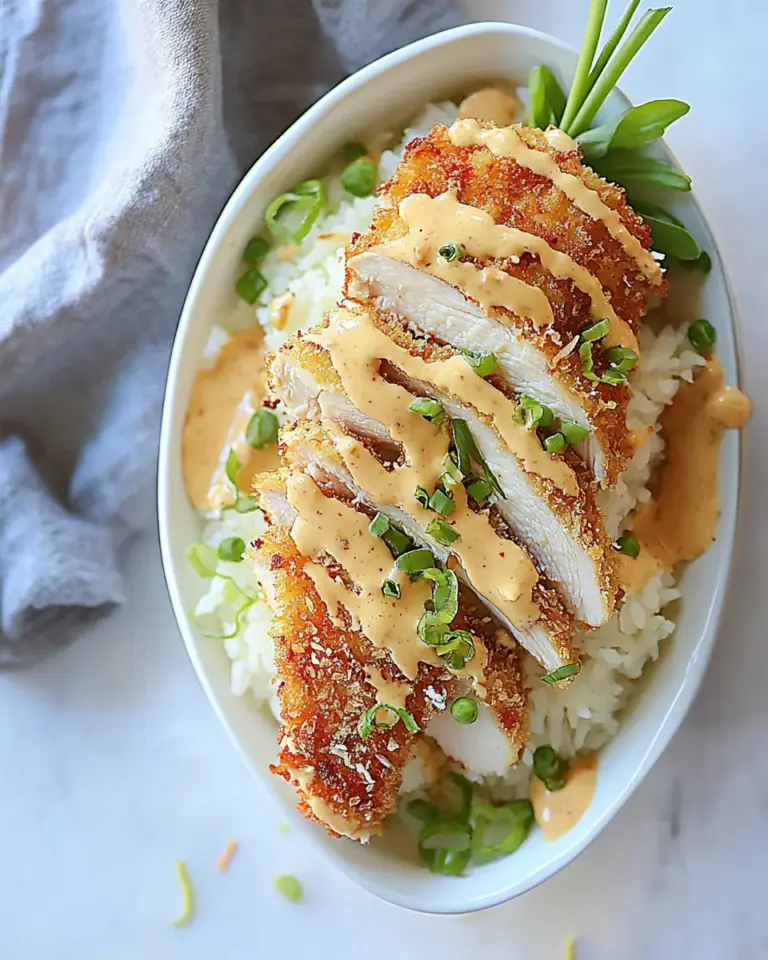
Spicy Korean Chicken
This Spicy Korean Chicken recipe brings bright, sticky, and deeply savory flavors to your weeknight table. It uses pantry-friendly ingredients and comes together quickly, making it the perfect recipe for people who want big flavor without fuss. The chicken cooks tender and juicy, coated in a glossy sauce that balances heat, tang, and a touch of sweetness. Serve it with steamed rice, pickled vegetables, or a simple salad to round out the meal.
Why you’ll love this Spicy Korean Chicken
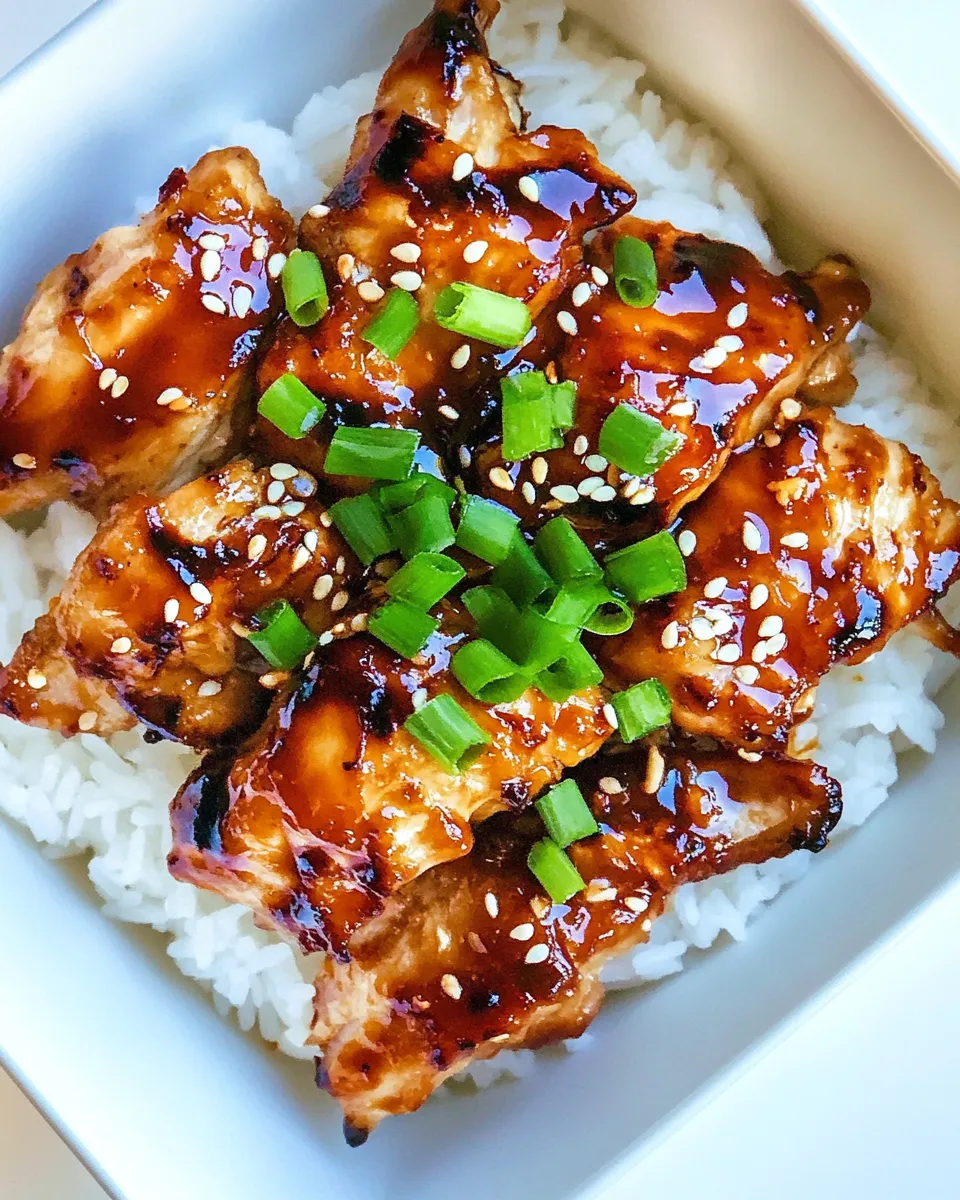
Rich, bold, and a little bit addictive, this Spicy Korean Chicken is built on the classic combo of a fermented chili paste and toasted sesame oil. It’s saucy enough to spoon over rice, bright enough to enjoy on its own, and flexible for meal prep. The short ingredient list keeps things approachable, and the method is straightforward: marinate, sear, and simmer until the sauce clings to each bite of chicken.
Ingredients
- 1lb (500g) boneless and skinless chicken thighs
- 2 tablespoons oil
- 1 1/2 tablespoons Korean chili paste, gochujang
- 1 teaspoon Korean red chili powder, gochugaru or regular chili powder
- 1 tablespoon sesame oil
- 2 tablespoons soy sauce
- 1 1/2 tablespoons sugar
- 1 piece ginger, peeled and minced (1 inch / 2 cm)
- 3 cloves garlic, minced
- salt, to taste
Before you start
Trim any excess fat from the chicken thighs and pat them dry with paper towels. Dry chicken sears better and will develop a nice caramelized exterior that helps the sauce stick. Measure and prep the aromatics — mince the ginger and garlic — so everything is within reach. If you prefer less heat, start with a slightly smaller amount of gochujang and chili powder and adjust after tasting the sauce.
Flavor notes and swaps
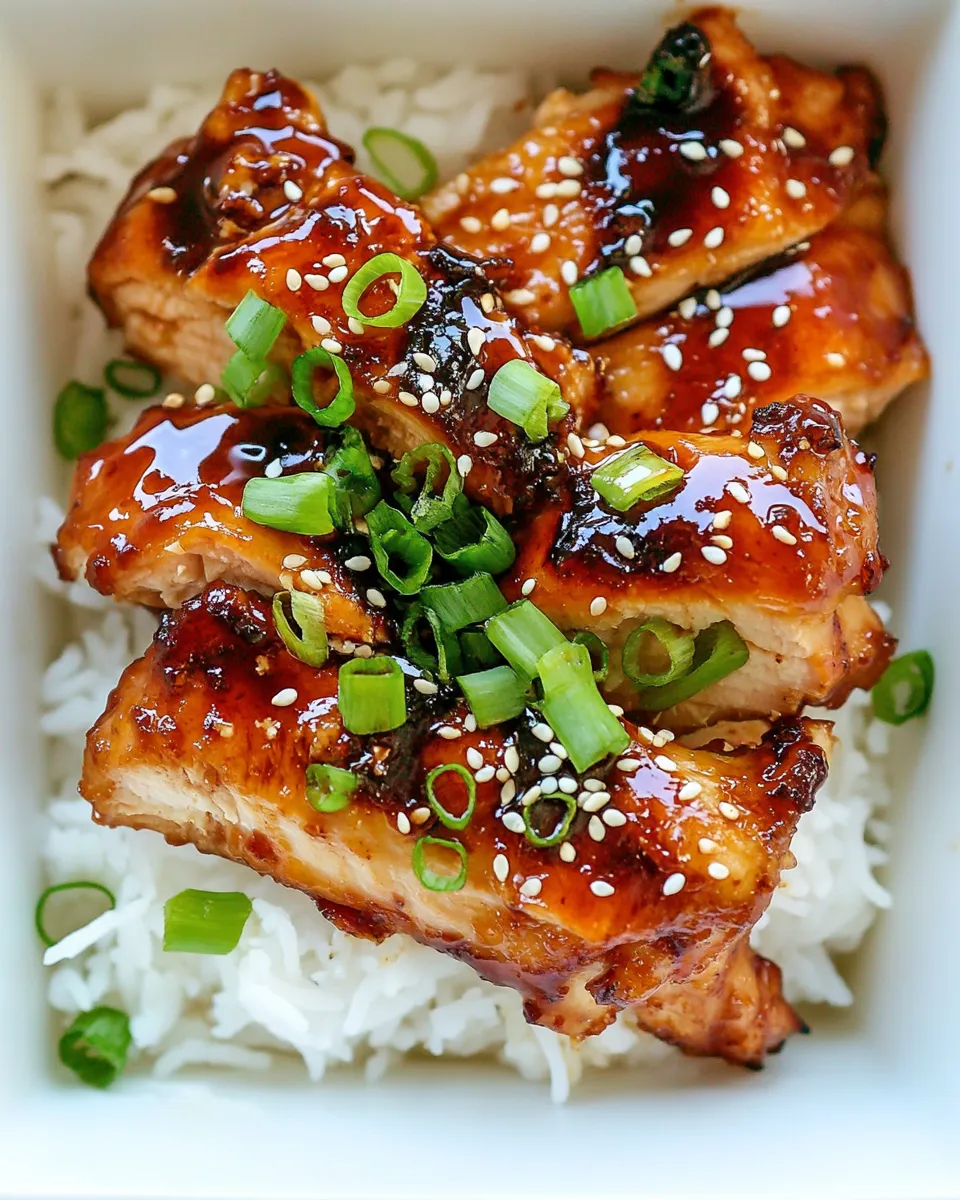
The backbone of this Spicy Korean Chicken is the gochujang, a fermented chili paste that offers heat, umami, and sweetness. If you can’t find gochujang, a mild chili paste combined with an extra pinch of sugar and a splash of soy sauce can stand in, but the final flavor will be slightly different. Use regular chili powder if gochugaru isn’t available — it won’t have the same smoky floral notes, but it will provide heat. Sesame oil is used for its toasted aroma; a neutral oil is used for cooking so the sesame oil can be added at the end as a finishing touch.
Step-by-step instructions
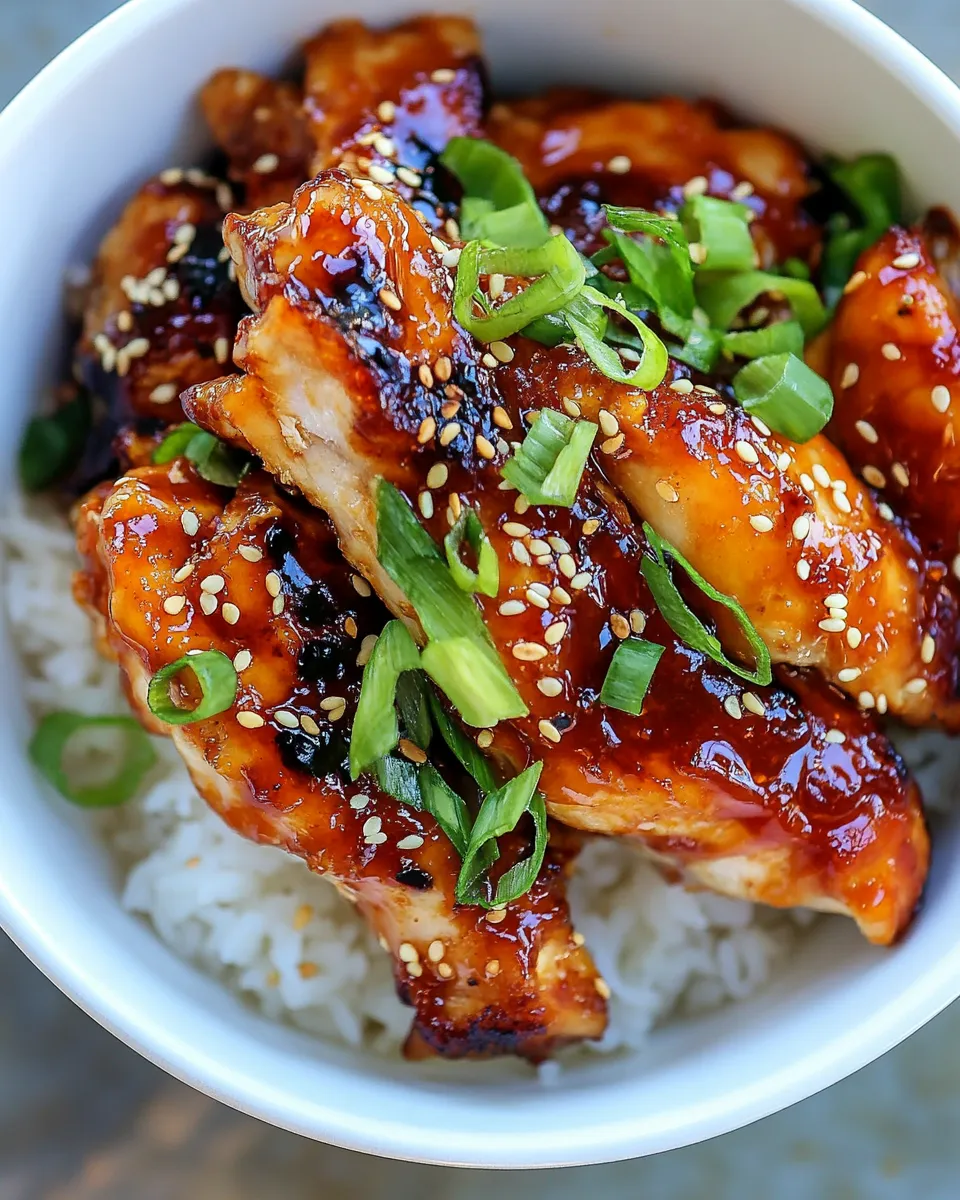
- Make the sauce. In a medium bowl, whisk together 1 1/2 tablespoons Korean chili paste (gochujang), 1 teaspoon Korean red chili powder (gochugaru or regular chili powder), 1 tablespoon sesame oil, 2 tablespoons soy sauce, 1 1/2 tablespoons sugar, the minced 1-inch piece of ginger, and 3 cloves garlic, minced. Taste and adjust the balance: add a pinch of salt if it needs more seasoning. This mixture is your vibrant, spicy-sweet sauce.
- Prepare the chicken. Cut the 1lb (500g) boneless and skinless chicken thighs into bite-sized pieces, about 1 to 1 1/2 inches. Season the pieces lightly with salt to taste. Toss the chicken with about half of the sauce (reserve the other half for cooking and finishing). Marinate for 10–15 minutes at room temperature while you heat the pan; this short marinade helps the flavors begin to penetrate the meat without over-tenderizing.
- Heat the pan. Place a large skillet or frying pan over medium-high heat and add 2 tablespoons oil. Let the oil warm until it shimmers but isn’t smoking. A properly heated pan ensures a good sear on the chicken.
- Sear the chicken. Add the marinated chicken pieces in a single layer, avoiding overcrowding the pan. Let them brown undisturbed for 2–3 minutes to develop a caramelized surface, then stir or flip to brown the other sides. Continue searing until most pieces are golden brown but not fully cooked through, about 4–5 minutes total depending on the size of the pieces.
- Add the remaining sauce and simmer. Pour the reserved half of the sauce over the chicken in the skillet. Reduce the heat to medium-low and stir to coat every piece. Let the chicken simmer in the sauce for 4–6 minutes, stirring occasionally, until the sauce thickens slightly and the chicken reaches an internal temperature of 165°F (75°C). The sauce should become glossy and cling to the chicken.
- Finish and check seasoning. Taste a small piece and check the sauce. If it needs more salt, add a little to taste. If you want more heat, sprinkle a tiny pinch of the chili powder and stir. Drizzle the final 1 tablespoon of sesame oil over the chicken for an aromatic finish, then give everything one final stir.
- Rest briefly and serve. Remove the skillet from heat and let the chicken rest for a minute so the sauce settles. Serve the Spicy Korean Chicken hot over steamed rice, with sesame seeds or sliced scallions if you like, and a side of crunchy vegetables or quick pickles to cut through the richness.
Serving suggestions
- Steamed jasmin or short-grain rice to soak up the sauce.
- Simple cucumber kimchi or pickled radish for brightness and crunch.
- Stir-fried greens or a crunchy salad tossed with a light vinaigrette to balance the heat.
- Wraps: Spoon the chicken into lettuce leaves for a lighter, hand-held option.
Make-ahead and storage
This Spicy Korean Chicken stores well. Let it cool completely, then transfer to an airtight container and refrigerate for up to 3 days. Reheat gently in a skillet over low heat with a splash of water to loosen the sauce, or microwave in short bursts until warmed through. For meal prep, portion over rice with a side of vegetables for ready-to-eat lunches.
Troubleshooting
- If the sauce is too thin: simmer a bit longer uncovered to reduce and thicken, or increase heat slightly and stir frequently until glossy.
- If the sauce is too salty: add a small pinch of sugar or a splash of water to soften the saltiness, and let it simmer a minute to blend.
- If the chicken is dry: reduce searing time next time and avoid cutting pieces too small; dark meat chicken thighs remain juicier than breast meat for this preparation.
- If you prefer less heat: cut the amount of gochujang or chili powder by half and add more after cooking if desired.
Tips from the kitchen
Use a heavy-bottomed skillet for the best sear. Reserve some sauce before adding the chicken to the pan so you can control how much caramelizes versus how much stays saucy. Always finish with sesame oil off-heat for the brightest aroma. If you want crunch, briefly broil the cooked, sauced chicken for 1–2 minutes — watch it closely so the sugars don’t burn.
Nutrition snapshot (approximate)
Per serving (assuming 4 servings): calorie and macronutrient totals will vary based on serving size and exact ingredients used, but this dish gives a good balance of protein from the chicken and flavor from the sauce without heavy frying. Serve with rice and vegetables for a complete meal.
Frequently asked questions
Can I use chicken breast instead? Yes. Chicken breast will work, but cook it carefully to avoid drying it out. Sear briefly and simmer just until cooked through.
Is gochujang very spicy? Gochujang has a moderate heat and a deep, savory sweetness. The overall heat in this dish comes from the combination of gochujang and chili powder, so adjust either to your preferred spice level.
Can I make this vegetarian? Substitute firm tofu or large mushroom pieces for the chicken. Press and dry tofu first, then sear and simmer in the sauce the same way.
Final thoughts
This Spicy Korean Chicken is an easy, flavor-forward meal that hits bright, savory, sweet, and spicy notes in every bite. It’s adaptable, quick to prepare, and pairs beautifully with simple sides. Once you master the sauce, you’ll find yourself using it as a go-to for many proteins and vegetables — it’s that versatile.
Ready to cook? Gather the ingredients, heat your pan, and enjoy a bowl of sticky, spicy goodness that’s as comforting as it is bold.
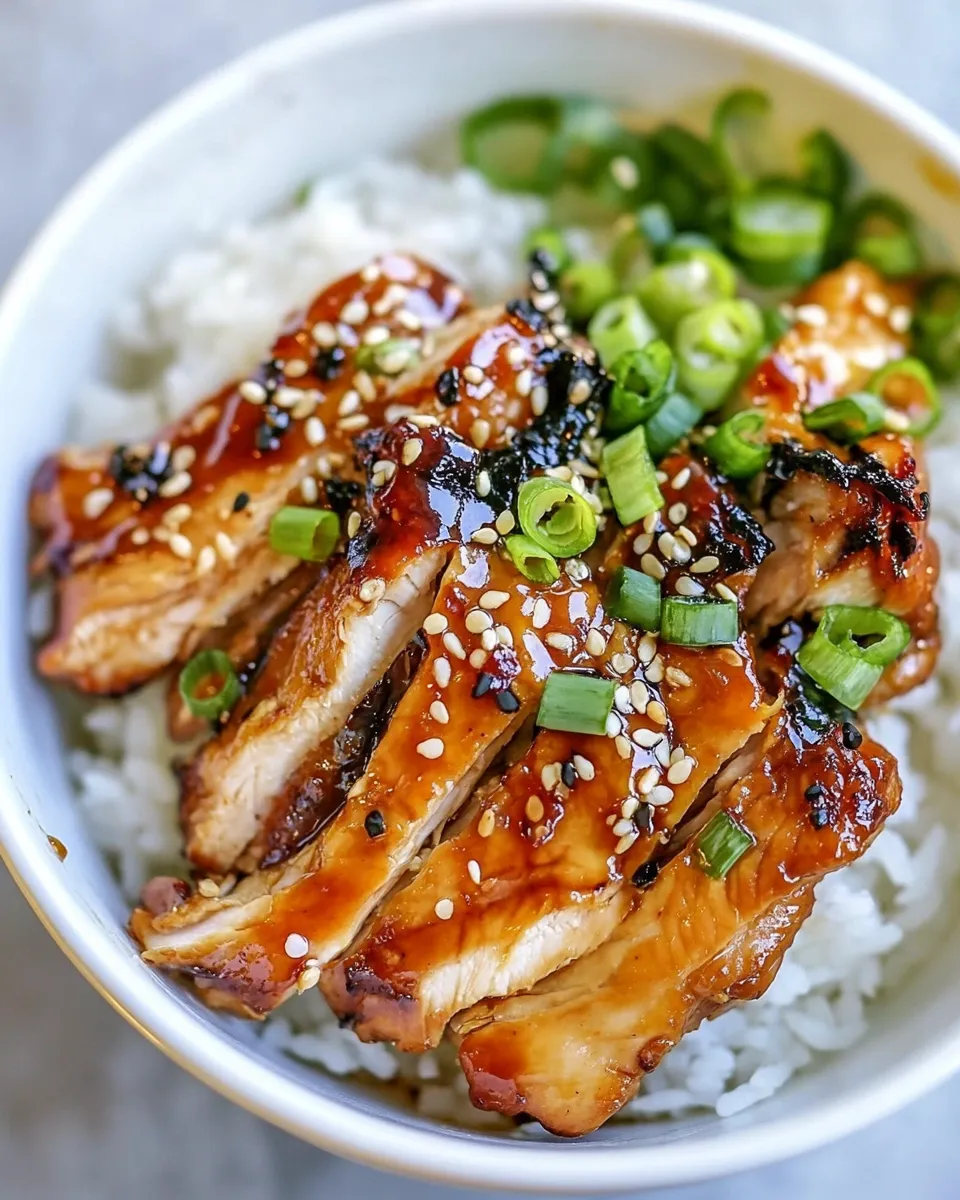
Spicy Korean Chicken
Ingredients
Equipment
Method
- Slice each chicken thigh horizontally into 2–3 thinner pieces so they cook evenly; set aside.
- In a mixing bowl, whisk together oil, gochujang, gochugaru (or chili powder), sesame oil, soy sauce, sugar, minced ginger, minced garlic, and salt until smooth and the gochujang is fully dissolved.
- Add the sliced chicken to the marinade and toss to coat thoroughly. Marinate for at least 30 minutes, preferably up to 2 hours.
- Preheat a grill or skillet (or oven to 400°F / 207°C). Cook the chicken until slightly charred and cooked through, about 6–8 minutes per side on a hot grill or skillet, or about 20 minutes in the oven.
- Transfer to a plate and serve immediately with steamed rice.
Notes
- Marinate at least 30 minutes or up to two hours for best flavor.
- Use thighs for juicier, more flavorful results.
- Adjust gochujang or gochugaru to control heat.
- Preheat your grill or pan for a good sear.