Stovetop Hard-Boiled Eggs
There’s something quietly satisfying about a perfectly cooked hard-boiled egg. Whether you’re prepping for a week of simple breakfasts, loading up a picnic basket, or assembling a vibrant salad, a reliable stovetop method is essential. This guide walks you through how to make stovetop hard-boiled eggs that peel easily, have creamy yolks, and sit beautifully in sandwiches. It’s straightforward, forgiving, and built on practical tips you’ll actually use again and again.
Why this method works
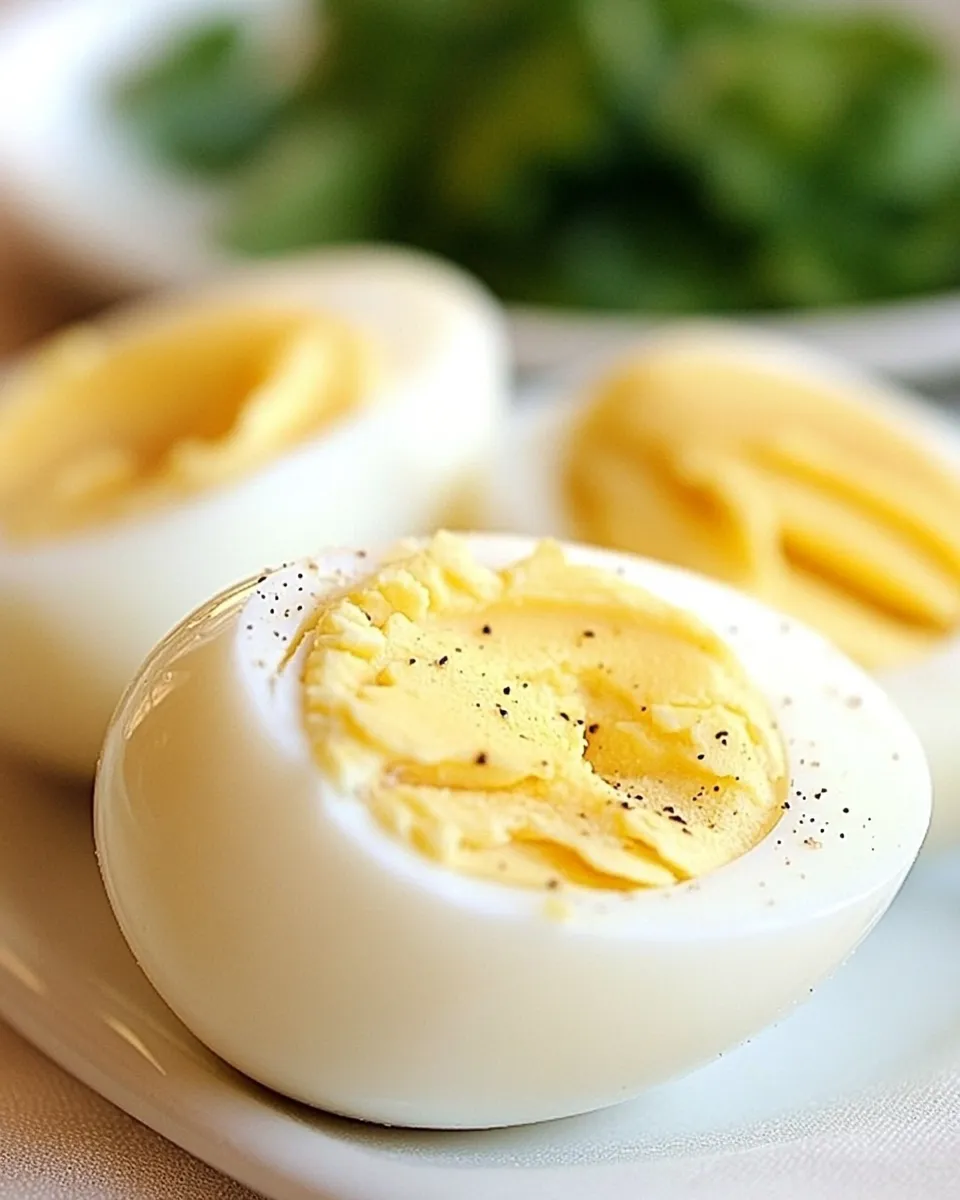
Stovetop hard-boiled eggs balance temperature control and timing. Starting eggs in cold water and bringing them slowly to a boil reduces cracking. Draining and transferring eggs into an ice bath stops cooking instantly, which prevents the green-gray ring that forms around yolks when eggs overcook. The result: tender whites and creamy, evenly colored yolks.
Ingredients
- Eggs
- Water
- Ice cubes
Equipment
- Large saucepan or pot
- Large bowl
- Large slotted spoon
Before you start: quick tips
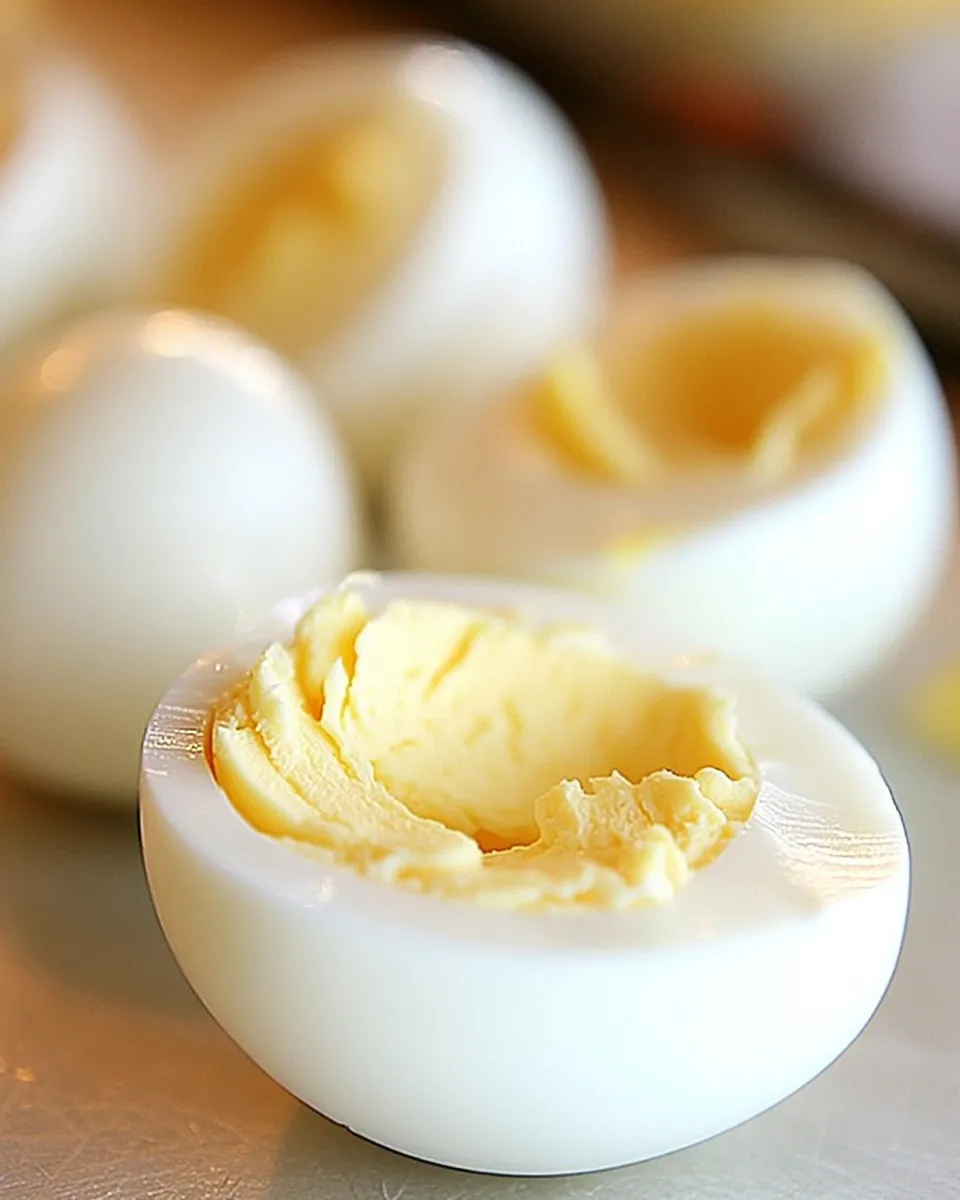
Choose eggs that are a few days old rather than freshly laid. Slightly older eggs peel more cleanly because the pH of the white increases with age, reducing its adhesion to the shell. Use a pot that allows eggs to sit in a single layer with about an inch of water above them. That ensures even heating. Finally, prepare an ice bath ahead of time so you can move the eggs out of hot water without delay.
How many eggs can you cook at once?
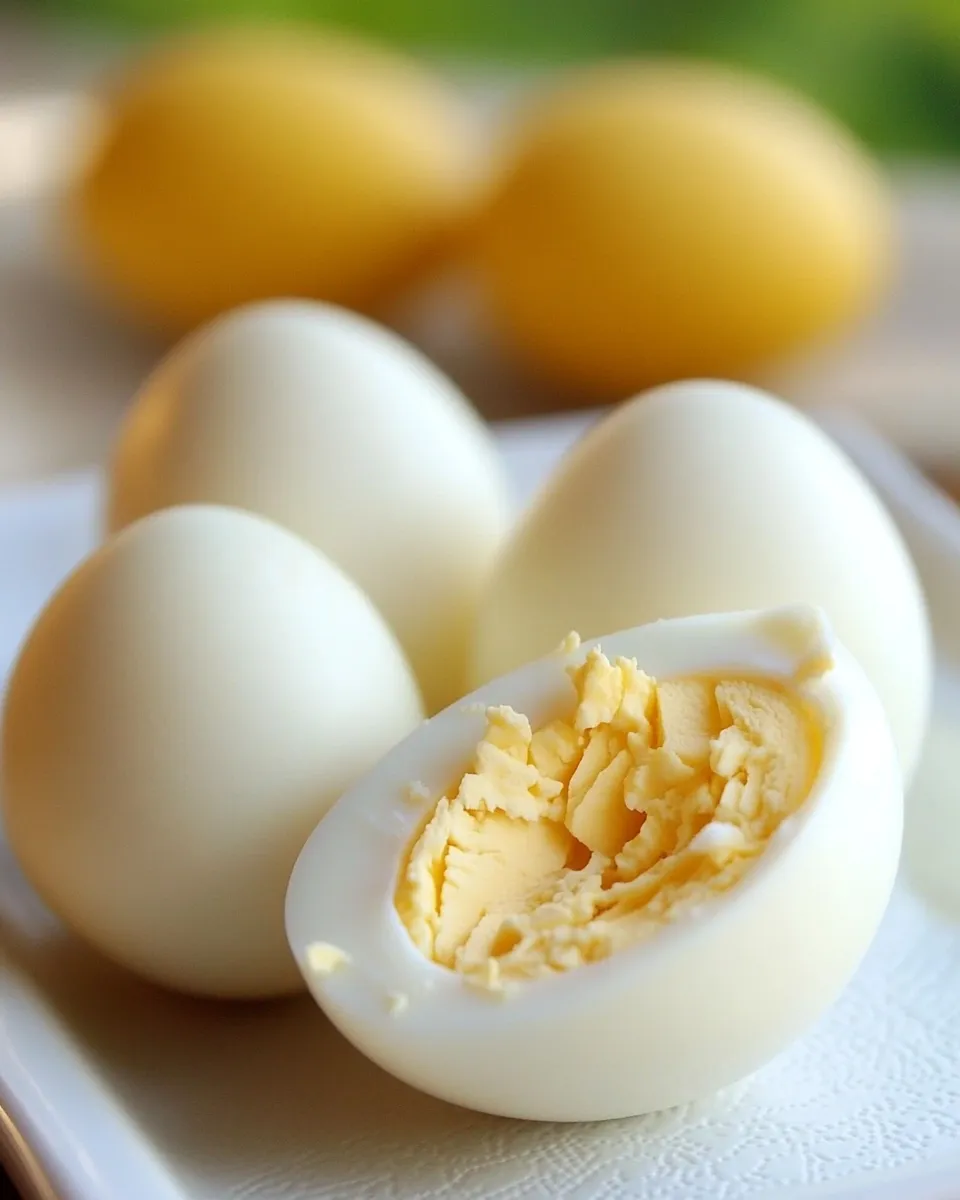
You can cook as many eggs as your pot will hold in a single layer. Crowding eggs can cause uneven cooking and increase the risk of cracking. If you’re boiling a dozen and your pot fits them comfortably, they’ll cook together just fine. If they’re stacked, consider using a larger pot or doing two batches.
Step-by-step stovetop hard-boiled eggs
Follow these clear steps for consistent results. The directions below use the ingredient list and equipment provided. Timing is the heart of this method, so use a timer for best results.
- Arrange the eggs: Place the eggs in a single layer in the large saucepan or pot. Make sure they sit flat and don’t press against each other, which helps prevent cracking.
- Add cold water: Pour cold water into the pot until the eggs are covered by about 1 inch of water. Using cold water at the start promotes even heating and reduces thermal shock to the shells.
- Heat to a gentle boil: Set the pot over medium-high heat and bring the water to a rolling boil. Watch for a steady stream of bubbles breaking the surface across the pot — that’s a rolling boil.
- Cover and remove from heat: As soon as the water reaches a rolling boil, cover the pot with a lid and remove it from the heat. Moving the pot off the burner stops the direct heat but retains enough residual heat to cook the eggs gently.
- Let the eggs rest: Leave the covered pot untouched for 10 minutes for fully hard-cooked yolks. For slightly softer centers, reduce the time by a minute or two. Keep the lid on to trap warmth and finish the cooking evenly.
- Prepare the ice bath: While the eggs rest, fill the large bowl with cold water and add plenty of ice cubes. The water should be very cold — this rapid cooling is essential to halt cooking immediately.
- Transfer the eggs: After the resting period, use the large slotted spoon to lift each egg from the hot water and place them into the ice bath. Move quickly but carefully to avoid cracking the shells.
- Cool completely: Let the eggs sit in the ice bath for at least 5 minutes. This ensures the yolks stop cooking and makes the eggs easier to peel.
- Peel or store: To peel, gently tap the egg on a hard surface, roll it to crack the shell all over, then peel under running water to help remove stubborn bits. If you’re storing eggs, keep them unpeeled in the refrigerator for up to one week.
Common questions answered
Why use an ice bath? The ice bath stops residual cooking immediately. This preserves the creamy texture of the yolk and prevents that dry, chalky edge or the green-gray ring that appears from overcooking.
What if an egg cracks while boiling? If a shell cracks, it’s usually okay — the egg will cook in the water and can still be used. A small crack sometimes allows some white to leak out; if that happens, scoop the egg out sooner and place it into the ice bath to minimize the mess and keep the shape tidy.
How do I get the peel off cleanly? Older eggs peel more easily than super-fresh ones. Cracking the shell all over and peeling under running water helps separate the membrane from the white. Some people also add a teaspoon of baking soda to the boiling water to raise the pH and help with peeling; however, the ice bath and gentle cooking times in this method make that unnecessary for most cooks.
Serving suggestions
Hard-boiled eggs are so versatile. Slice them onto toast with a sprinkle of flaky salt and cracked pepper, halve them for classic deviled eggs, chop them and toss into a green salad, or simply enjoy one with a pinch of paprika. They also make a fantastic high-protein snack straight from the fridge.
Storage and make-ahead
Unpeeled hard-boiled eggs keep best in the refrigerator. Store them in a covered container for up to one week. If you prefer to peel them ahead of time, keep peeled eggs in a bowl of cold water in the fridge (change the water daily) or store them dry in an airtight container with a damp paper towel to prevent drying out. For peak convenience, cook a dozen on Sunday and use them throughout the week for quick breakfasts or snacks.
Troubleshooting
- Green ring around the yolk: That happens when eggs are overcooked. Make sure to transfer eggs to the ice bath immediately after the timed rest to stop cooking.
- Rubbery whites: Often the result of too high a cooking temperature or leaving eggs in hot water too long. Use the covered-off-heat method in this guide to avoid that.
- Shells stick: If peeling is stubborn, try peeling under running water and focus on getting under the membrane. Slightly older eggs perform better for peeling.
Nutrition snapshot
Eggs are a compact source of high-quality protein and contain essential vitamins and minerals. A hard-boiled egg provides a satisfying portion of protein and healthy fats, making it a smart addition to breakfast, lunch, or snacks. Paired with whole-grain toast or vibrant salad greens, they deliver a balanced, nutrient-dense bite.
Recipe summary
Here’s the concise, step-by-step recipe using the exact ingredients and equipment listed above:
- Place the eggs in a single layer in the large saucepan or pot.
- Pour in enough cold water to cover the eggs by about 1 inch.
- Set the pot over medium-high heat and bring to a rolling boil.
- Once boiling, cover the pot and remove it from the heat.
- Let the eggs rest, covered, for 10 minutes.
- While the eggs rest, fill the large bowl with cold water and add ice cubes to make an ice bath.
- Use the large slotted spoon to transfer the eggs from the hot water to the ice bath.
- Allow the eggs to cool completely in the ice bath for at least 5 minutes.
- Peel under running water or store unpeeled in the refrigerator for up to one week.
Final thoughts
Stovetop hard-boiled eggs are a kitchen staple for good reason: they’re quick, versatile, and reliably delicious when you use a clear method. This technique emphasizes gentle cooking and immediate cooling, so you get even whites and smooth, tender yolks every time. Keep this method in your weekly routine and you’ll always have a simple, nutritious option at hand.
Now grab a pot, fill a bowl with ice, and give this method a try. You’ll be rewarded with beautifully cooked eggs that make the rest of your meals easier and more delicious.
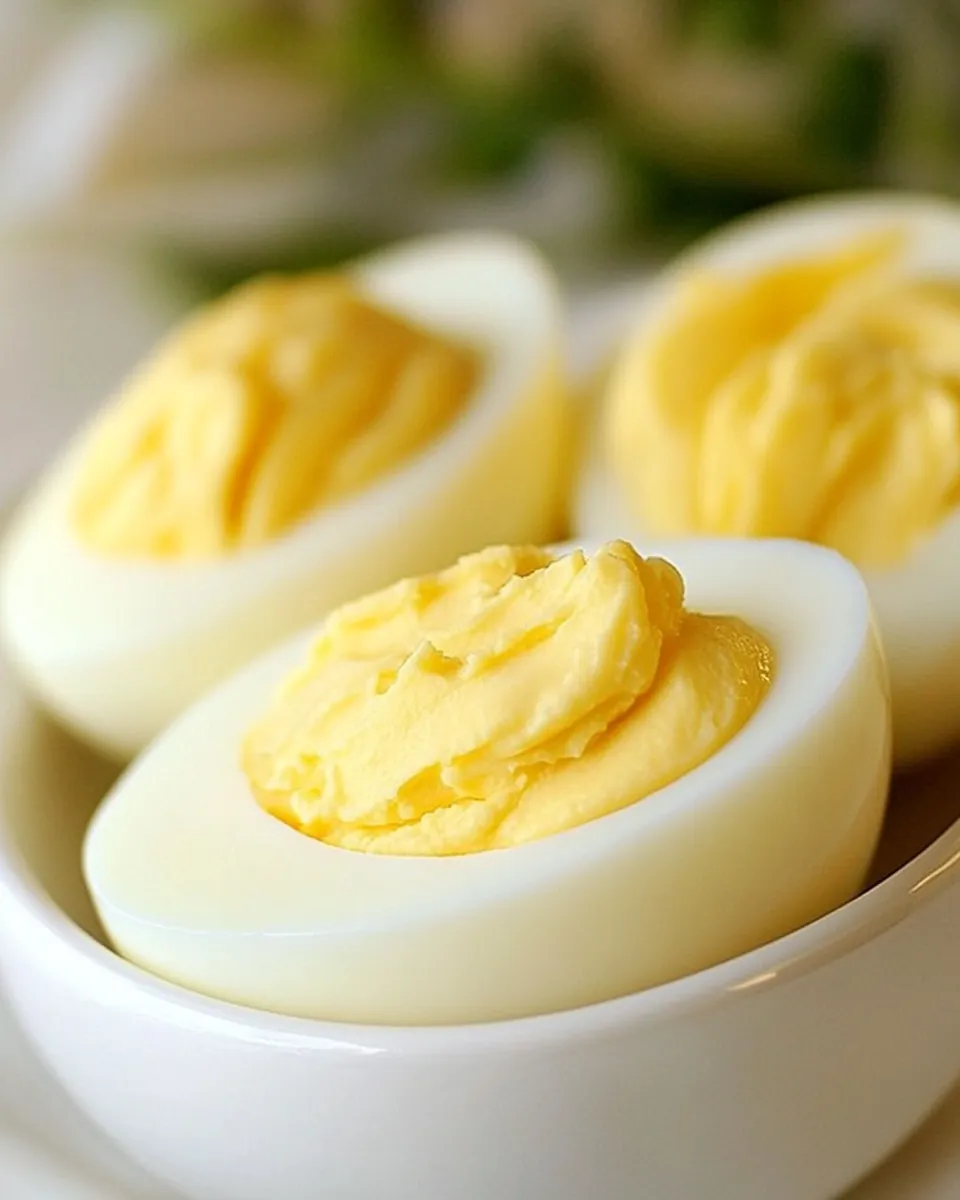
Stovetop Hard-Boiled Eggs
Ingredients
Equipment
Method
- Place the eggs in a single layer in a large saucepan or pot.
- Add cold water to the pot until it covers the eggs by about 2 inches.
- Set the pot over medium heat and bring the water to a full boil, uncovered (this may take 10–15 minutes).
- As soon as the water reaches a rolling boil with large bubbles, start a 2-minute timer and allow the water to boil, uncovered.
- When the 2 minutes are up, remove the pot from heat and cover it immediately; let the eggs sit undisturbed for exactly 10 minutes (use 12 minutes for extra-large eggs).
- Meanwhile, fill a large bowl with cold water and ice to make an ice bath.
- After the resting time, use a slotted spoon to transfer the eggs to the ice bath.
- Gently crack the shells by dropping the eggs a couple of inches into the bowl or shaking the bowl a little; this helps make peeling easier.
- Let the eggs cool in the ice bath for about 5 minutes until completely cool, then peel immediately or refrigerate.
- If desired, peel the eggs under lukewarm running water to help release bits of shell.
Notes
- Use 12 minutes covered for extra-large eggs.
- Cooling in ice water stops cooking for a tender yolk texture.
- Cracking shells before peeling makes removal easier.
- Peel under running water to help remove stubborn shell pieces.