Sugar Cane Shrimp
There’s something wildly satisfying about skewered seafood: the way it cooks through with an even char, the play of sweet, savory, and tangy flavors, and the effortless elegance of a stick that doubles as a handle. This Sugar Cane Shrimp recipe takes that idea and elevates it with a light, springy shrimp paste formed around natural sugar cane sticks. Crisped Japanese breadcrumbs add a crackling exterior while a bright Nuoc Cham dipping sauce finishes each bite. The texture is everything here — tender shrimp, a whisper of cuttlefish for chew, and a thin, crisp coating that sings with sweet and salty contrast.
In this version I use small amounts of potato starch and an extra egg white to bind and aerate the mixture, plus granulated sugar to bounce the natural sweetness of the shrimp. The result is a stunning appetizer that’s perfect for dinner party starters, family gatherings, or a laid-back weekend meal where presentation matters as much as flavor.
Why you’ll love this
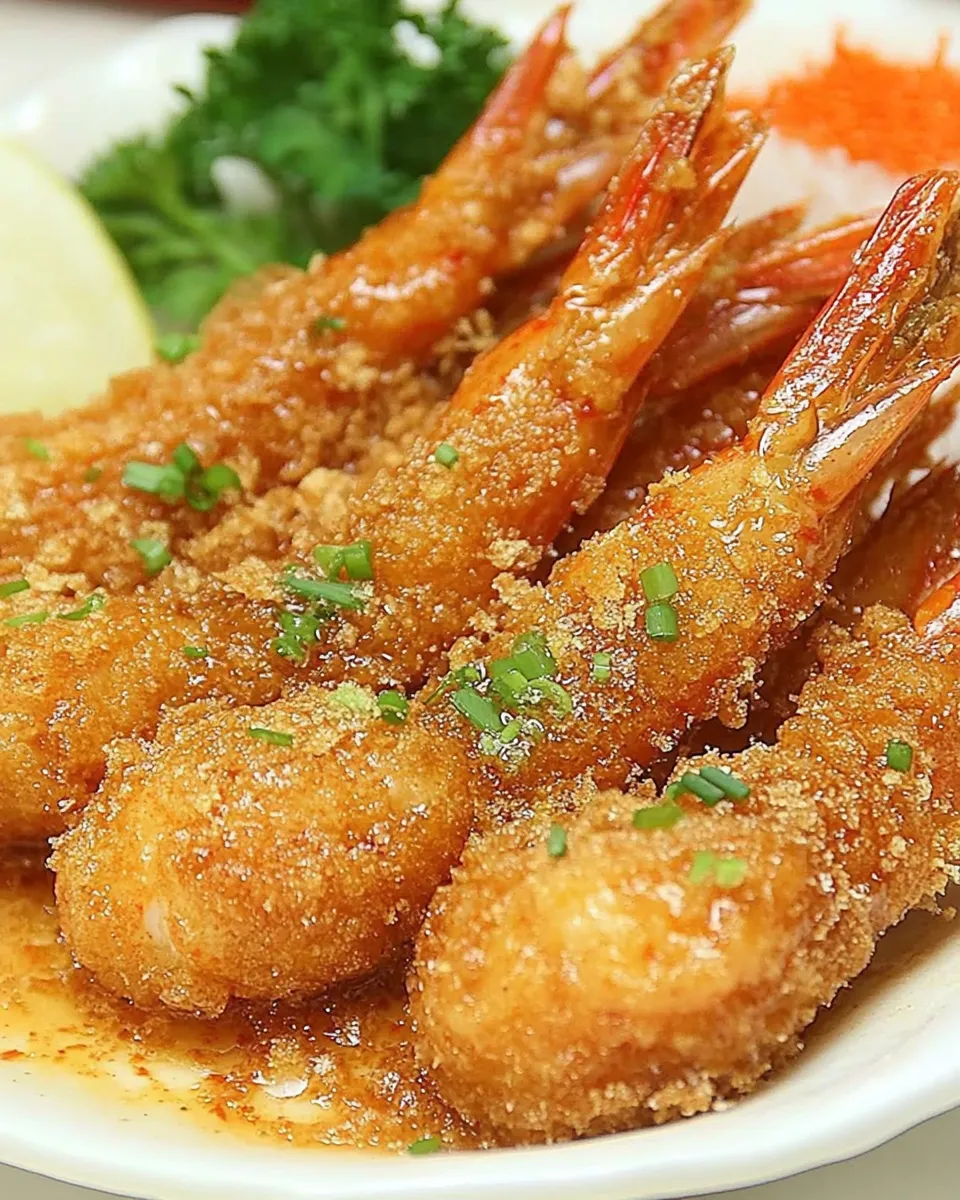
- Bright, layered flavors: savory shrimp, a hint of seafood depth from cuttlefish, rounded sweetness from granulated sugar, and a tangy dipping sauce.
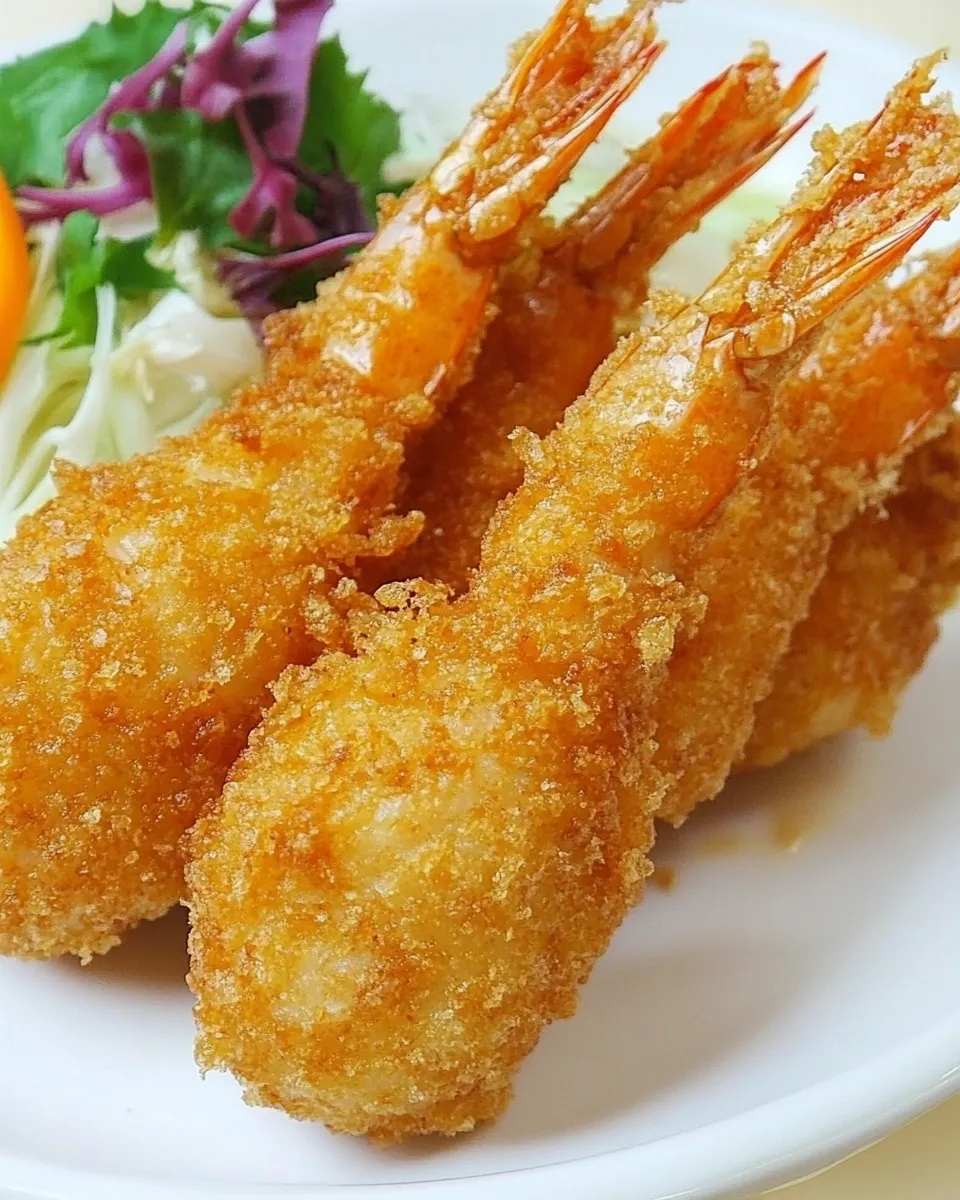
- Textural contrast: pillowy interior and a crisp breadcrumb crust.
- Fun to serve: skewered on sugar cane sticks for impressive plating and easy eating.
- Simple pantry-friendly ingredients with straightforward technique.
Ingredients
- 300 grams shrimp meat
- 30 grams cuttlefish meat
- 1 egg whites
- 40 grams granulated sugar
- sea salt flakes (to taste)
- freshly ground white pepper (to taste)
- 1 tablespoon potato starch
- 1 egg whites
- Japanese breadcrumbs
- sugar cane sticks
- vegetable oil (for frying)
- 200 ml Nuoc Cham (Vietnamese dipping sauce)
Equipment
- Food processor or sharp knife and a mixing bowl
- Large shallow bowl or plate for breadcrumbs
- Fry thermometer and deep pan or deep-fryer
- Kitchen scale and measuring spoons
- Paper towels and a cooling rack
Prep notes
Work with chilled seafood for the best texture; it tosses and binds more cleanly when cold. If your sugar cane sticks are long, trim them to comfortable serving lengths. Keep a small bowl of cold water nearby to wet your hands occasionally — it helps shape the shrimp mixture neatly around the sticks without sticking to your fingers.
Step-by-step Instructions
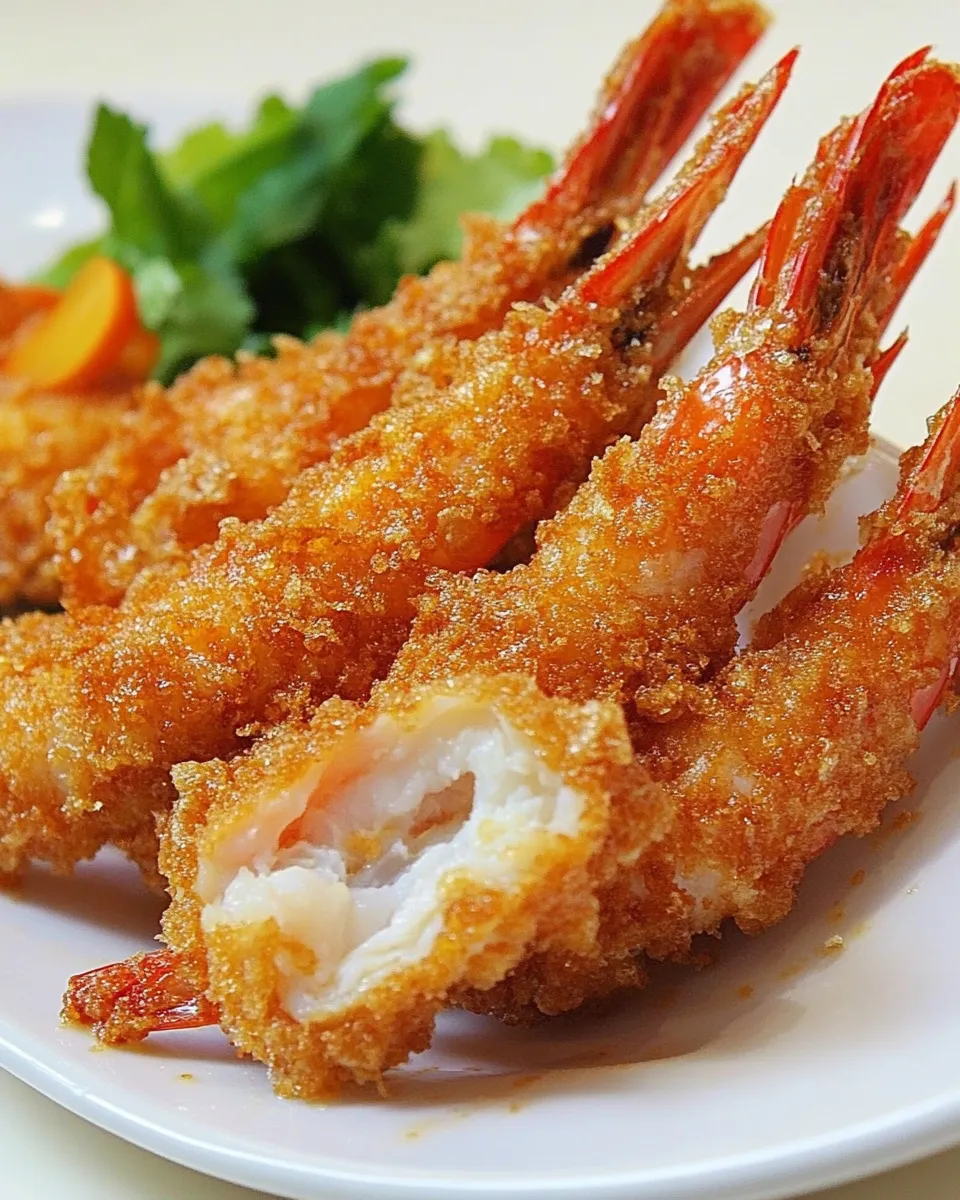
- Prepare the seafood: If your shrimp and cuttlefish are whole, remove shells, veins, and any cartilage. Pat the meats dry with paper towels. Chop the shrimp and cuttlefish into rough pieces if you are using a food processor. Cold, well-chilled meat is easiest to work with.
- Pulse the mixture: Put the 300 grams shrimp meat and 30 grams cuttlefish meat into a food processor. Pulse in short bursts until the mixture becomes a coarse paste — it should be finely chopped but still slightly textural. If you don’t have a processor, finely mince the meats by hand and then pound them with the back of a knife or a meat cleaver until cohesive and sticky.
- Add binding ingredients: Transfer the seafood paste to a mixing bowl. Add 1 egg whites (first listed), 40 grams granulated sugar, a pinch or two of sea salt flakes (adjust to taste), freshly ground white pepper to taste, and 1 tablespoon potato starch. Mix thoroughly using a spatula or your hands until the mixture is evenly combined and slightly tacky. The sugar will help with flavor and a touch of browning, while the potato starch and egg white provide structure.
- Whip the second egg white: In a small bowl, lightly whisk the remaining 1 egg whites (second listed) until foamy. Gently fold this egg white into the seafood mixture. Folding in aerated egg white gives the finished paste a lighter, springy interior without changing ingredient amounts.
- Shape around sugar cane sticks: Wet your hands slightly with cold water. Take a portion of the seafood mixture (roughly the size of a large tablespoon or adjusted to fit your sugar cane stick length) and shape it into a log around one sugar cane stick, pressing firmly so the paste adheres evenly. Continue until you have used all the mixture, spacing them out so each formed piece is similar in size and thickness for even cooking.
- Coat with breadcrumbs: Pour Japanese breadcrumbs into a shallow bowl or plate. One at a time, roll each sugar cane-wrapped shrimp log in the breadcrumbs, pressing gently so the crumbs adhere to the surface. Shake off any excess and place the coated sticks on a tray or plate. If you want an extra-crisp crust, you can double-coat: dip each log briefly into a light slurry of beaten egg whites (if you have leftovers) and then back into the breadcrumbs, but be careful not to alter the specified ingredient amounts.
- Heat oil for frying: Pour enough vegetable oil into a deep pan to reach a depth that will cover the coated shrimp logs when frying — about 2–3 inches, depending on pan size. Heat the oil to 170–175°C (340–350°F). Use a fry thermometer or test by dropping a small breadcrumb into the oil: it should sizzle and float steadily.
- Fry in batches: Working carefully, lower a few shrimp-wrapped sugar cane sticks into the hot oil, making sure not to overcrowd the pan. Fry until the breadcrumb coating is golden brown and crisp, about 2–4 minutes depending on thickness. Use tongs to turn them gently so they brown evenly on all sides. Remove the cooked sticks to a paper towel-lined tray or a cooling rack to drain excess oil.
- Maintain oil temperature: Allow the oil to return to the target temperature before adding the next batch. Fry the remaining skewers in the same manner until all are crisp and golden.
- Serve with Nuoc Cham: Arrange the fried sugar cane shrimp on a serving platter. Pour 200 ml Nuoc Cham into a small dipping bowl or serve it on the side. The bright, tangy dipping sauce contrasts beautifully with the crisp shell and sweet shrimp paste.
- Finish and enjoy: Garnish the platter with fresh herbs or citrus wedges if you like, and present the skewers as a shared appetizer or as part of a larger meal. The sugar cane stick doubles as a fragrant nibble at the end while the shrimp paste remains flavorful and tender.
Troubleshooting & Tips
- If the paste feels too loose to shape, refrigerate it for 15–20 minutes to firm up, or add a touch more potato starch by the teaspoon until it holds.
- Keep portions consistent so every skewer cooks in the same time. Uneven sizes cause some to overcook while others remain underdone.
- Don’t overcrowd the fryer. Crowding drops oil temperature and results in greasy, unevenly cooked coating.
- For extra flavor, briefly caramelize the cut ends of the sugar cane sticks in a hot, dry skillet before assembling — this releases a hint of natural sugar and aroma while still keeping the ingredient list unchanged.
Make-Ahead and Storage
Assembled, unbattered shrimp logs can be refrigerated, covered, for up to 24 hours before coating and frying. Breaded sticks also freeze well: arrange them in a single layer on a tray until solid, then transfer to a freezer bag for up to 1 month. Fry from frozen and add a minute or two to the cooking time, keeping oil temperature steady.
Serving Suggestions
- Pair with a simple green salad and steamed rice for a balanced meal.
- Include them on a shared platter with pickled vegetables and extra herbs for a festive spread.
- Serve as elegant canapés by cutting each cooked stick into bite-sized pieces and skewering them with cocktail picks.
Flavor Variations
- Gently fold in finely minced lemongrass or a little fish sauce to the paste for extra Southeast Asian depth — add sparingly to keep the texture stable.
- Swap Japanese breadcrumbs for panko mixed with finely ground roasted coconut for a tropical twist.
- Add a pinch of smoked paprika or a few drops of sesame oil to the paste for an unusual but pleasant aroma.
Final thoughts
This Sugar Cane Shrimp recipe is all about balance: a tender, springy interior contrasted with a crisp crust, finished by bright dipping sauce. It’s showy enough for company but straightforward to execute when you break the steps down. Take your time forming each skewer, keep your oil hot and steady, and you’ll be rewarded with a delightful texture and beautifully layered flavor in every bite.
If you try this, I’d recommend testing one skewer first to make sure seasoning and texture are exactly how you like them before frying the whole batch. Small adjustments — a pinch more salt, a touch less sugar, or an extra minute in the fryer — will help you dial this recipe to perfection for your taste.
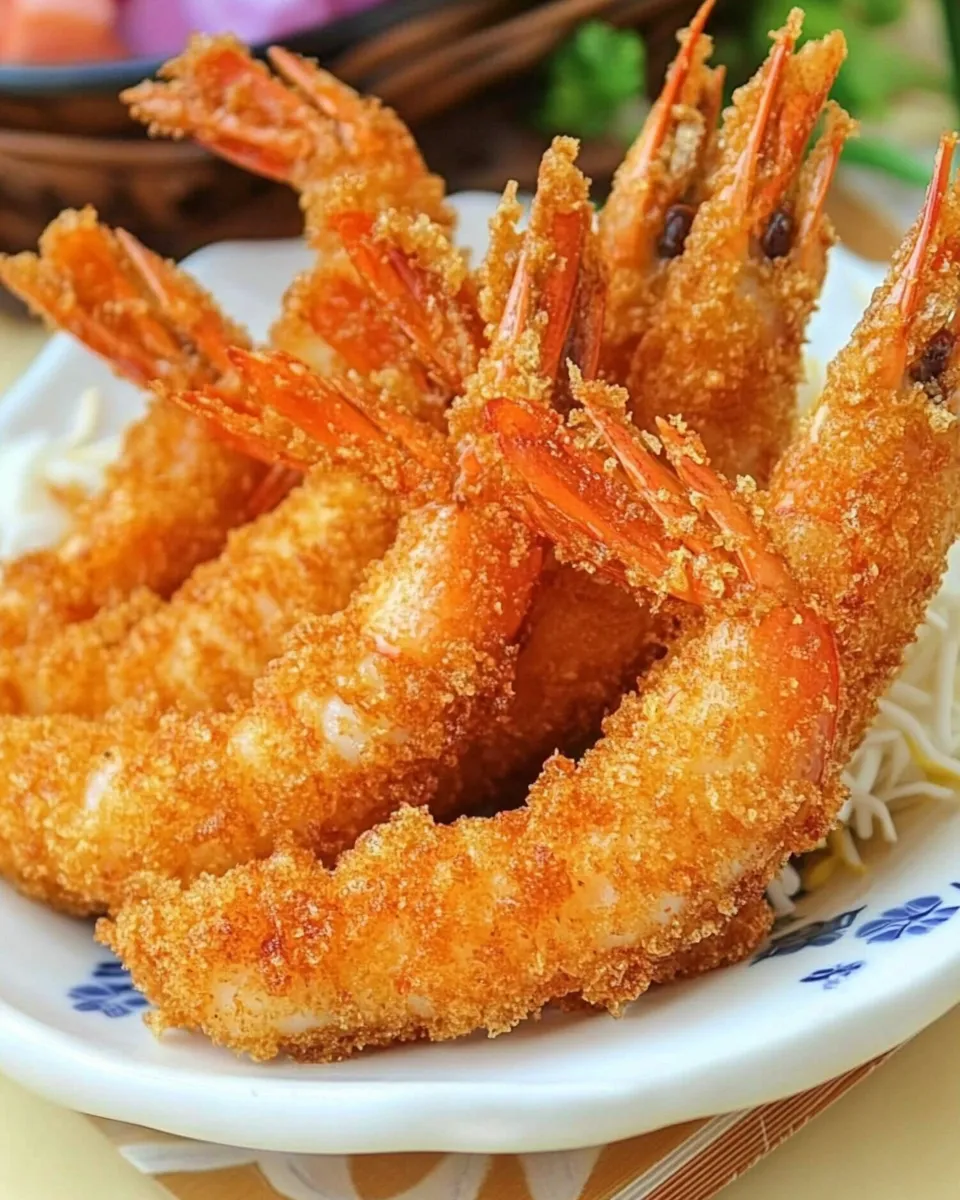
Sugar Cane Shrimp
Ingredients
Equipment
Method
- Rinse the shrimp and cuttlefish, then pat dry and cut into small cubes.
- In a food processor, pulse the shrimp and cuttlefish until smooth. Transfer to a bowl.
- Add 1 egg white, granulated sugar, potato starch, sea salt flakes, and freshly ground white pepper to the processed seafood; mix until well combined and season to taste.
- Cut sugar cane into 10 cm (4 in) pieces and peel the outer hard shell; slice each into sticks about 1.2 cm thick (about 1/4 inch).
- Oil your palms lightly. Portion about 40 g (1 1/2 oz) of the seafood mixture and shape into an oval quenelle around a sugar cane stick, smoothing the mixture so it adheres.
- Place formed sugar cane shrimp on parchment and chill in the refrigerator to firm up for a few minutes.
- Beat the remaining egg white in a shallow dish. Dip each chilled shrimp-on-sugar-cane into the egg white, then coat evenly with Japanese breadcrumbs.
- Heat enough vegetable oil in a wok or deep pot over high heat for deep frying. Fry the coated shrimp on sugar cane in batches until golden brown and cooked through, about 2–4 minutes per batch depending on size.
- Remove with tongs or a slotted spoon and drain on paper towels. Serve immediately with Nuoc Cham for dipping.
Notes
- Chill formed shrimp before coating to help crumbs adhere.
- Peel sugar cane carefully using a sharp knife or cleaver.
- Do not overcrowd the fryer to maintain oil temperature.
- Use neutral vegetable oil with a high smoke point for frying.