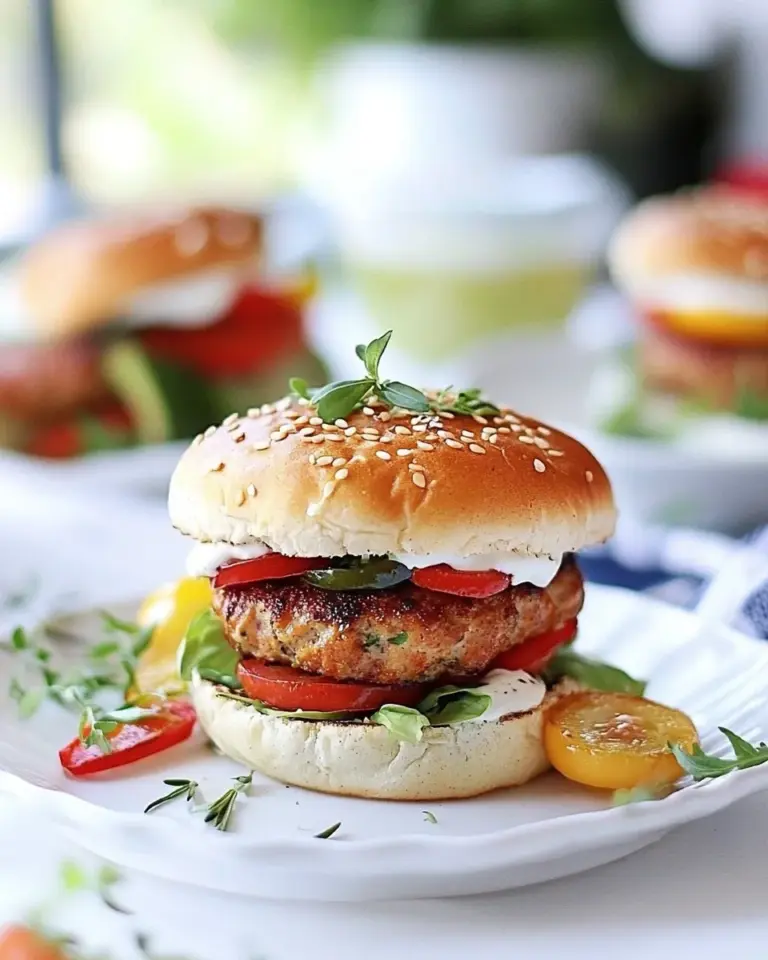
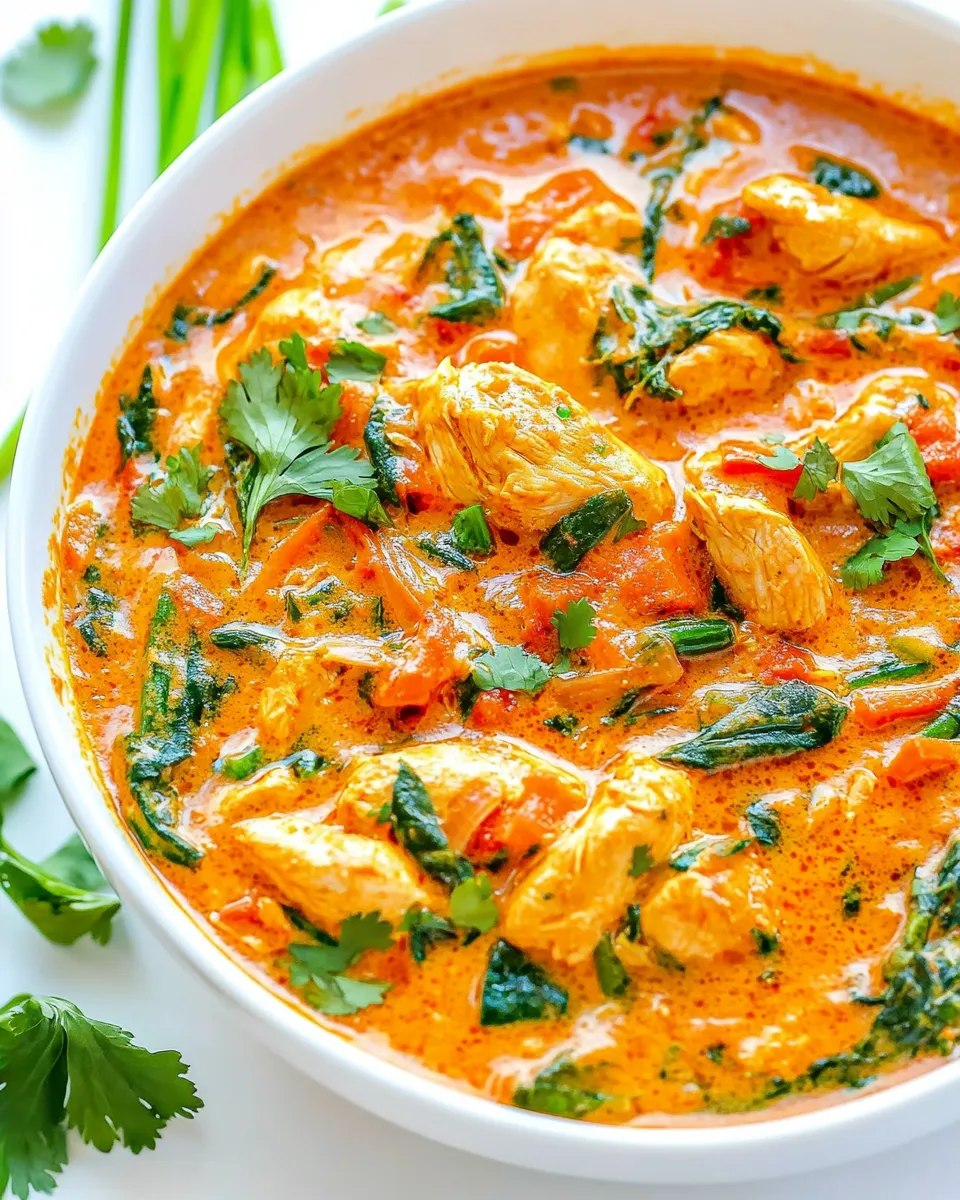
Thai Chicken Coconut Curry
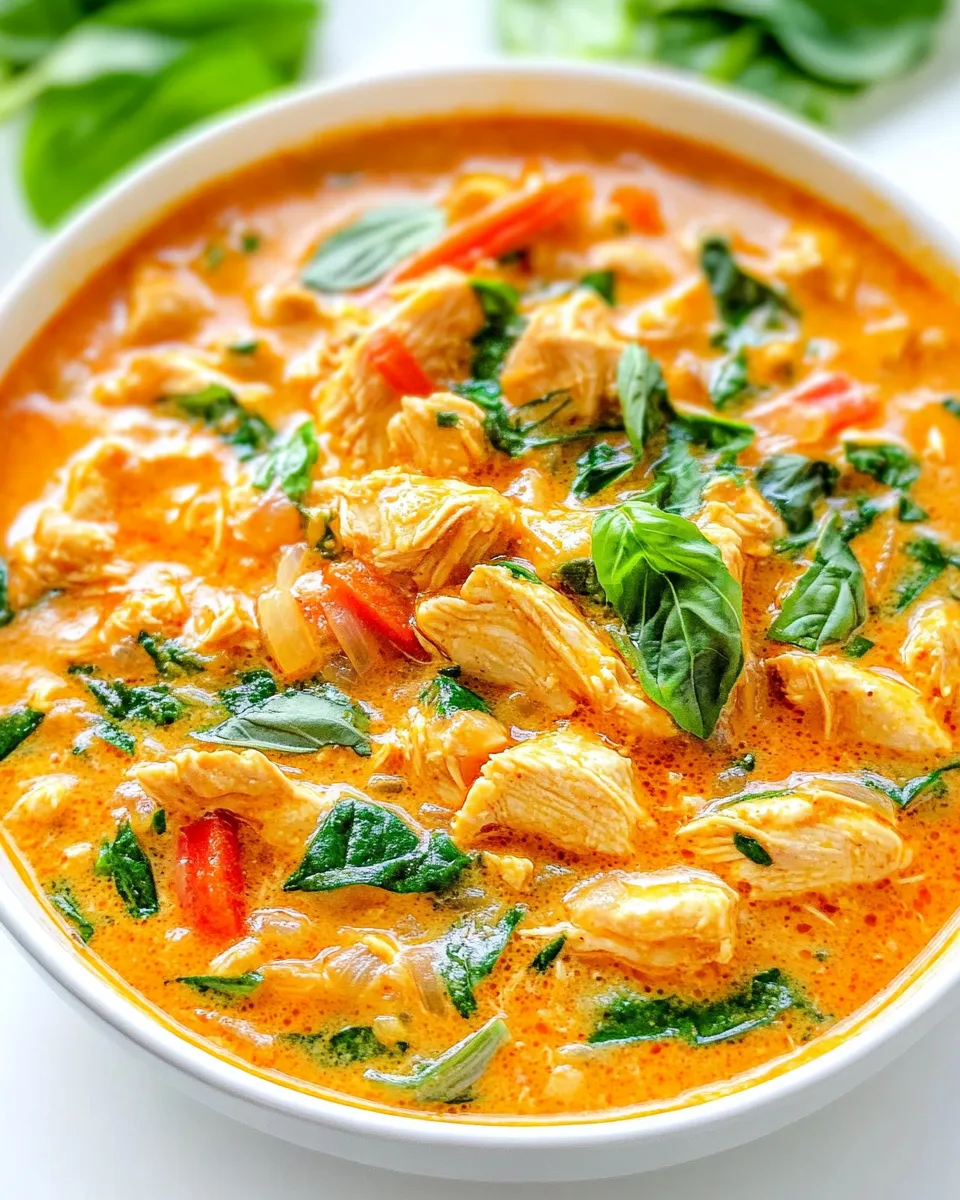
There’s something irresistible about a bowl of fragrant curry that balances rich coconut, bright lime, and bold red curry paste. This Thai Chicken Coconut Curry is one of those weeknight heroes—big on flavor, straightforward to make, and flexible enough to dress up for company or keep simple for a cozy dinner. Tender pieces of chicken breast simmer in creamy full-fat coconut milk with zucchini, red bell pepper, and sweet onion. A few pantry staples and a good spoonful of Thai red curry paste are all you need to bring that restaurant-quality warmth home.
This recipe is written for a home cook who wants clarity and confidence. Below you’ll find the ingredient list pulled directly from the kitchen, followed by a step-by-step method that walks you through cooking with practical tips so every component turns out perfectly. Read through once, then follow the steps while you cook—this one comes together quickly.
Ingredients
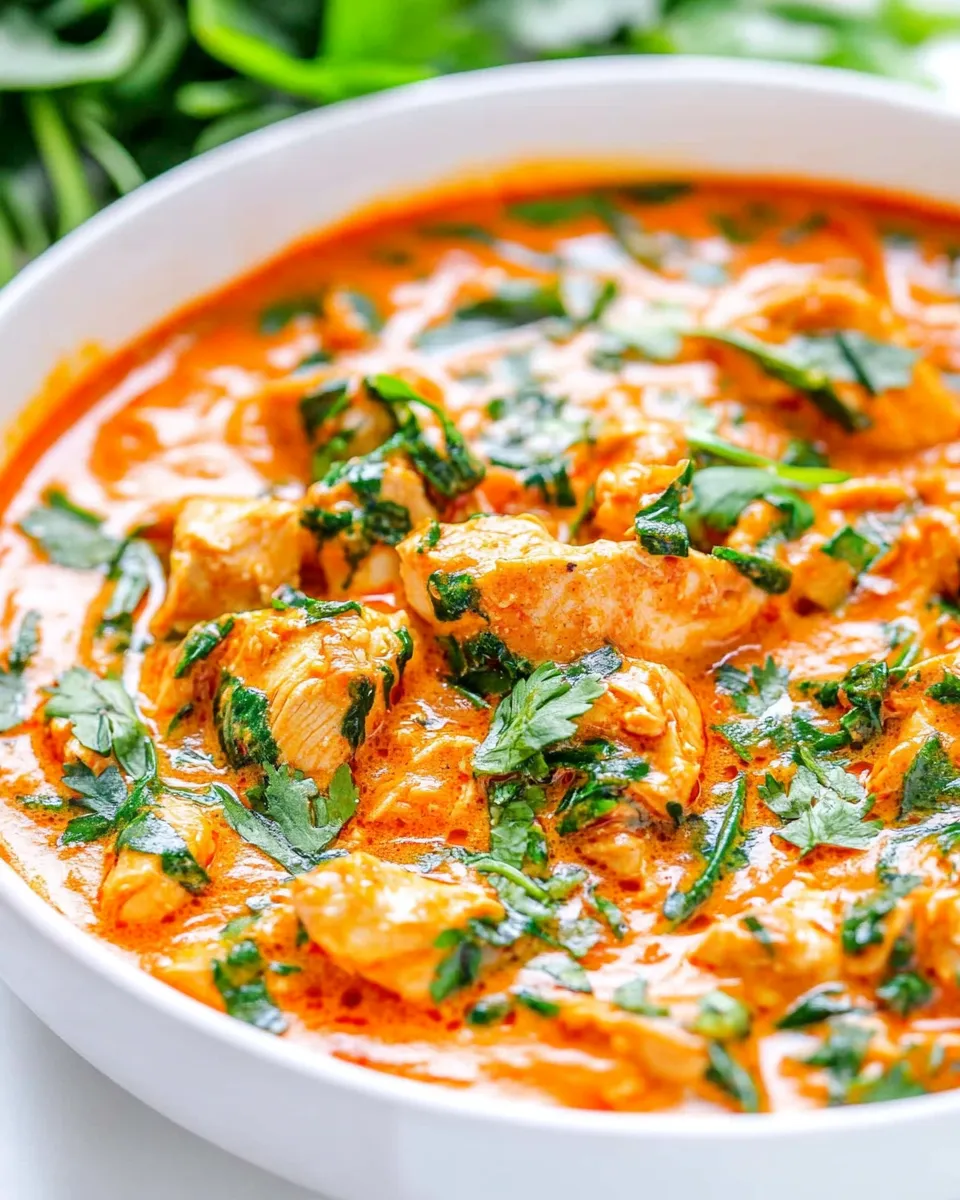
- 1 1/2 pounds chicken breast, chopped into 1-inch pieces
- Salt and pepper
- 2 tablespoons olive oil, divided
- 2 zucchini, sliced
- 1 red bell pepper, sliced
- 1 yellow onion, sliced
- 4 cloves garlic, minced
- 1 teaspoon fresh ginger, grated
- 4 tablespoons Thai red curry paste
- 1 (13.5-ounce) can full fat coconut milk
- 1 tablespoon fish sauce, or more to taste
- 1 tablespoon fresh lime juice, or more to taste
Why this version works
This Thai Chicken Coconut Curry keeps technique simple and focuses on layering flavor. Searing the chicken first locks in juices and creates a base of caramelized flavor. Briefly sautéeing vegetables keeps them vibrant and slightly crisp so they don’t turn to mush in the coconut milk. The grated ginger and minced garlic bloom in the oil before the curry paste goes in, releasing their aromas and tempering the paste’s intensity. Full-fat coconut milk provides a silky texture; a splash of fish sauce deepens umami while lime juice brightens the whole pot at the end.
Equipment
- Large skillet or sauté pan (10–12 inches)
- Wooden spoon or heatproof spatula
- Sharp knife and cutting board
- Measuring spoons
- Can opener
Prep tips
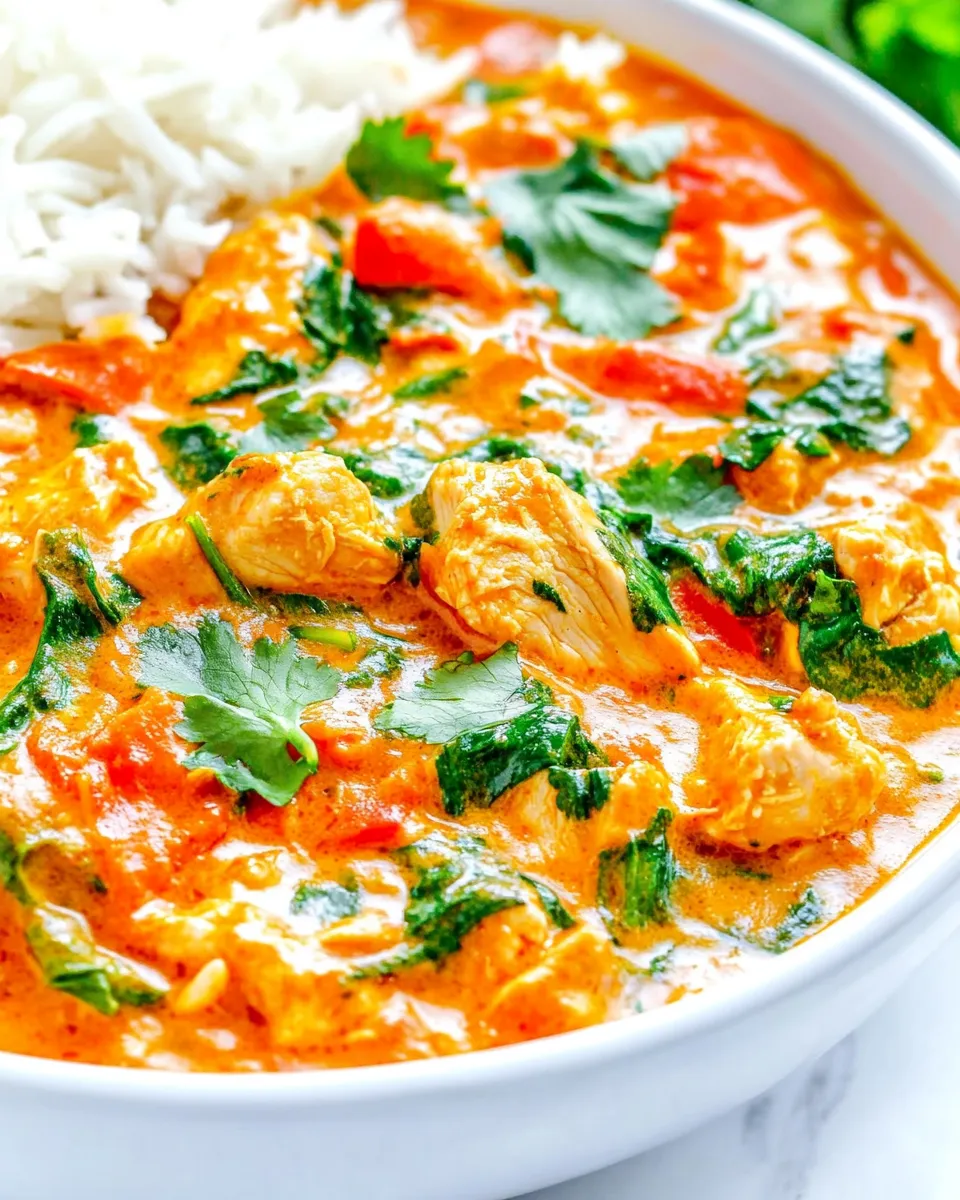
- Slice the vegetables uniformly so they cook evenly: aim for 1/4-inch to 1/2-inch slices for the zucchini and bell pepper, and thin wedges for the onion.
- Pat the chicken dry before seasoning with salt and pepper; dry meat sears better and browns more evenly.
- Measure the curry paste ahead of time. Thai red curry paste varies in heat level between brands, so start with 4 tablespoons and adjust next time if you prefer it milder or hotter.
Step-by-step Instructions
- Season the chicken. Pat the 1 1/2 pounds chicken breast dry with paper towels, then sprinkle evenly with salt and pepper.
- Heat the skillet and brown the chicken. Add 1 tablespoon of the olive oil to a large skillet set over medium-high heat. When the oil shimmers, add the chicken pieces in a single layer, making sure not to overcrowd the pan. Let the chicken sear without moving it for 2–3 minutes so it develops a golden crust, then stir and cook until just cooked through, about 3–4 minutes more depending on piece size. Transfer the browned chicken to a bowl and set aside. It will finish cooking later in the sauce.
- Sauté the vegetables. Reduce the heat to medium and add the remaining 1 tablespoon olive oil to the same skillet. Add the 2 zucchini slices, 1 red bell pepper slices, and 1 yellow onion slices. Stir to coat with oil and cook, stirring occasionally, until the vegetables are softened but still retain some bite, about 4–5 minutes.
- Add garlic and ginger. Push the vegetables to the edge of the skillet or make a small well in the center. Add the 4 cloves garlic, minced, and 1 teaspoon fresh ginger, grated, directly to the pan. Cook for about 30 seconds, stirring constantly, until fragrant. Be careful not to let the garlic brown.
- Incorporate the curry paste. Add the 4 tablespoons Thai red curry paste to the skillet. Stir it into the vegetables, garlic, and ginger and cook for 1 minute to bloom the spices and reduce any raw edge. This step helps the paste marry with the oil and vegetables and brings out its aromatic oils.
- Add coconut milk and simmer. Pour in the 1 (13.5-ounce) can full fat coconut milk, stirring to combine and scraping up any browned bits from the bottom of the pan. Bring the mixture to a gentle simmer over medium-low heat. Allow it to cook for 3–4 minutes so the flavors meld and the sauce thickens slightly.
- Return the chicken to the skillet. Add the reserved chicken pieces back into the pan, nestling them into the curry sauce. Simmer the curry for 3–5 minutes more, or until the chicken is cooked through and heated through, and the vegetables are tender to your liking. Taste the sauce and make sure the chicken pieces reach a safe internal temperature and are no longer pink in the center.
- Season and brighten. Stir in 1 tablespoon fish sauce, then squeeze in 1 tablespoon fresh lime juice. Taste and adjust: add more fish sauce if you want deeper savory notes, or more lime juice to increase brightness and balance the richness of the coconut milk. Add more salt and pepper as needed.
- Finish and serve. Once the chicken is fully cooked and the sauce has the flavor balance you like, remove the skillet from heat. Serve the curry hot over steamed rice or with warm flatbreads. Garnish as desired with fresh herbs, additional lime wedges, or thinly sliced chili for heat.
Serving ideas and variations
This Thai Chicken Coconut Curry is designed to be a foundation you can tweak based on what you have on hand or your flavor preferences. Here are some simple variations and serving suggestions:
- Vegetable swaps: Use broccoli florets, snap peas, or baby corn in place of or in addition to the zucchini and bell pepper. Add heartier vegetables earlier so they have time to soften.
- Protein swaps: If you want a different protein, try firm tofu cubes or shrimp. For tofu, press and pan-sear first like the chicken. For shrimp, add them toward the end and simmer until opaque.
- Herbs and garnishes: Fresh cilantro, Thai basil, or sliced green onions make bright and aromatic garnishes. Toasted cashews or crushed peanuts add a pleasant crunch.
- Heat level: Adjust the curry paste amount to suit your heat tolerance. You can also add sliced fresh chilies or a sprinkle of red pepper flakes for extra kick.
Make-ahead and storage
This curry stores well and makes great leftovers. Cool it to room temperature, then store in an airtight container in the refrigerator for up to 3 days. Reheat gently on the stove over low heat so the coconut milk doesn’t separate—add a splash of water or additional coconut milk if it has thickened too much. For longer storage, freeze in a freezer-safe container for up to 2 months; thaw overnight in the refrigerator before reheating.
Tips for success
- Don’t rush the browning step. Properly seared chicken adds a flavor base you’ll taste in every bite.
- Use full-fat coconut milk for a silky sauce. Light coconut milk can be used in a pinch, but it won’t be as rich or creamy.
- Season gradually. Fish sauce is potent—start with 1 tablespoon, then adjust. Lime juice brightens quickly, so add most of it at the end and taste as you go.
- If your curry tastes flat, a small pinch of sugar can help balance the savory and sour notes.
Nutrition snapshot (per serving, approximate)
Calories will vary depending on serving size and accompaniments, but a bowl of this curry served with rice typically provides a satisfying balance of protein, healthy fats from coconut milk, and vegetables.
Final thoughts
Thai Chicken Coconut Curry is one of those dishes that feels celebratory even when it’s made on a busy weeknight. The combination of creamy coconut, fragrant curry paste, and bright lime is reliably comforting and endlessly adaptable. Follow the clear, step-by-step method above, and you’ll have dinner on the table in about 30 minutes with flavors that taste like you spent far more time in the kitchen than you actually did. Enjoy—and don’t be afraid to make it your own.
Thai Chicken Coconut Curry
Ingredients
Equipment
Method
- Pat the chicken pieces dry and season lightly with salt and pepper.
- Heat 1 tablespoon of olive oil in a large skillet over medium-high heat. Add the chicken and cook undisturbed for 3–4 minutes, then stir and cook until browned and mostly cooked through, about 2–3 more minutes. Transfer the chicken to a plate.
- Add the remaining 1 tablespoon olive oil to the skillet. Sauté the sliced zucchini, red bell pepper, and sliced onion for 3–4 minutes until slightly softened but still firm.
- Add the minced garlic and grated ginger to the vegetables and cook for 1 minute until fragrant.
- Pour in the coconut milk, then whisk in the Thai red curry paste and fish sauce until smooth. Bring the mixture to a gentle boil.
- Reduce the heat to a simmer, return the chicken to the skillet, and cook for a few minutes until the chicken is cooked through and the sauce is slightly thickened.
- Stir in the lime juice, taste, and adjust seasoning with more lime juice, fish sauce, or salt if desired. Serve immediately.
Notes
- Use full-fat coconut milk for a richer sauce.
- Slice vegetables uniformly for even cooking.
- Adjust red curry paste to taste for spiciness.
- Fish sauce adds saltiness—add gradually.