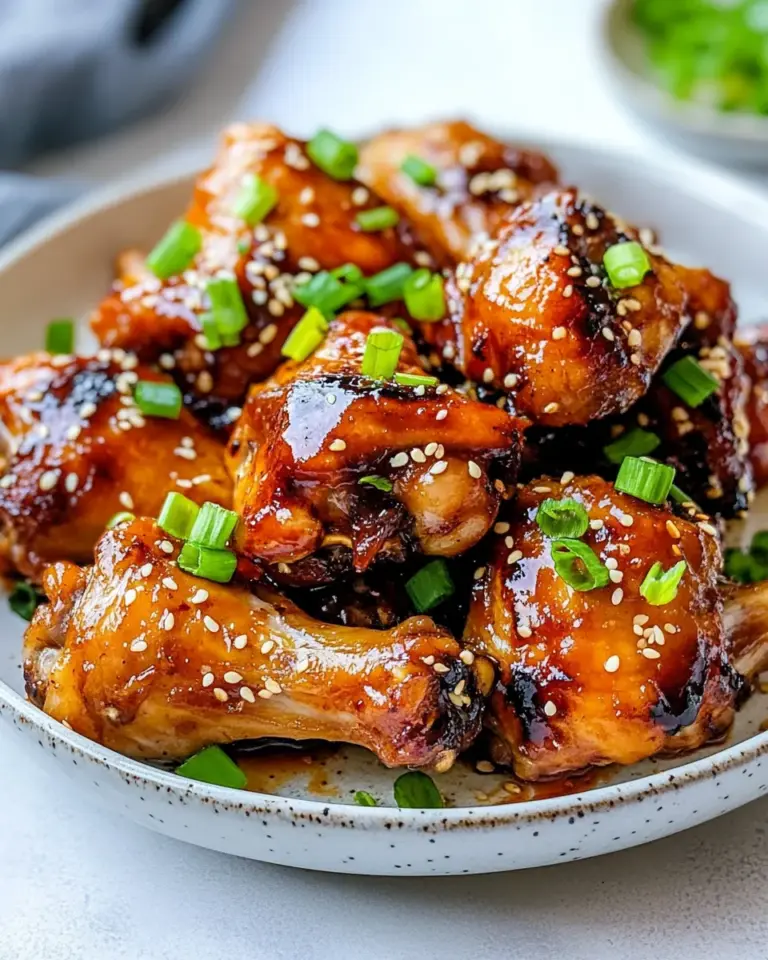
The BEST Chicken Marinade
Every cook needs a reliable, flavor-packed marinade in their back pocket, and this recipe delivers just that. Bright, savory, slightly sweet, and wonderfully aromatic, this blend turns ordinary chicken breasts into something you’ll crave for weeknight dinners, backyard grills, or special occasions. I’ve balanced acid, fat, umami, and sweetness so the chicken stays juicy and sings with flavor—no complicated steps, just great results.
Why this works
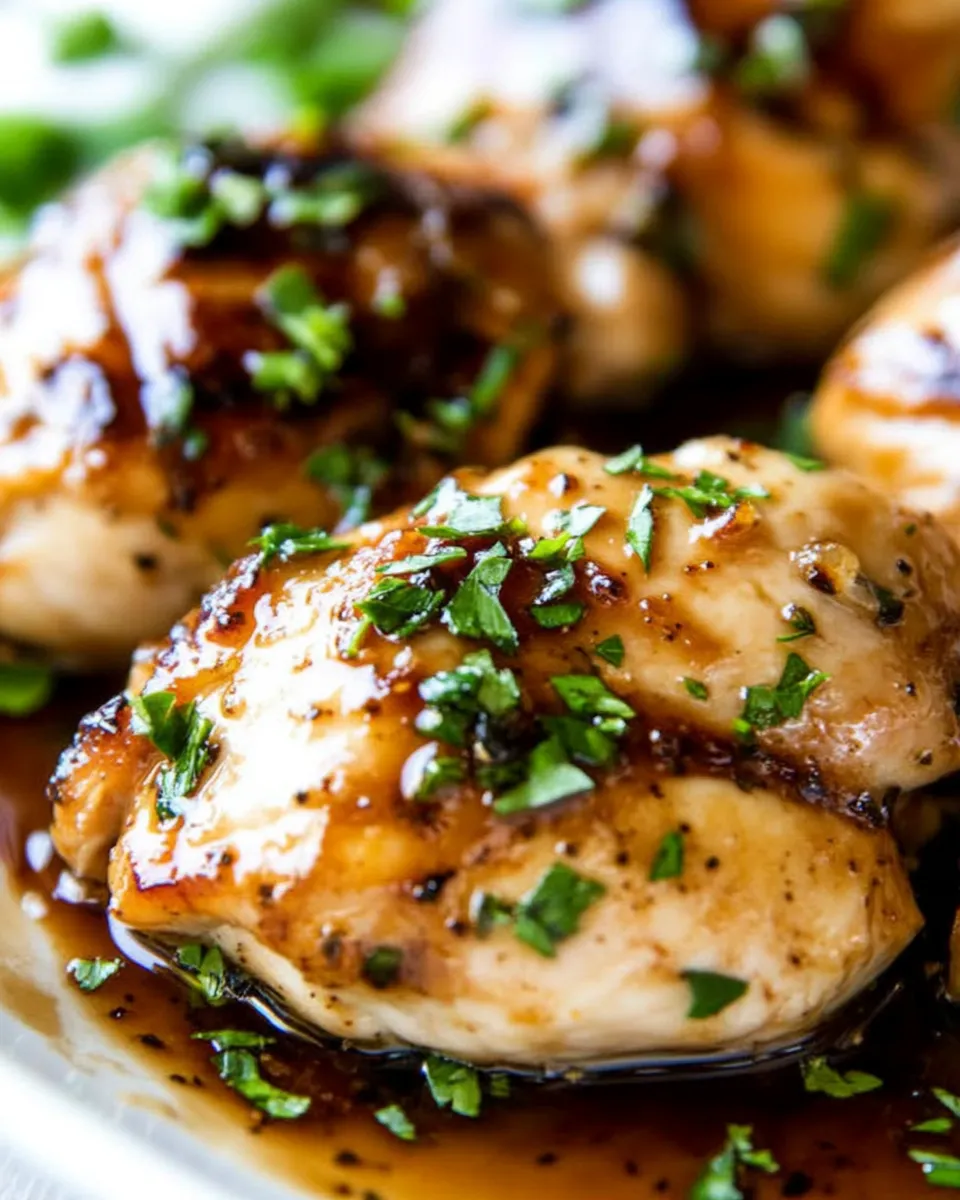
This combination brings several flavor principles together. Extra virgin olive oil provides richness and helps the marinade cling; balsamic vinegar adds tang and depth; soy and Worcestershire contribute savory, umami notes while brown sugar balances with caramelized sweetness. Dijon mustard acts as an emulsifier to keep flavors suspended and helps form a glossy crust when seared or grilled. Dried rosemary, garlic powder, salt, and black pepper round out the seasoning with aromatic and savory layers. The proportions are tuned to penetrate 6 chicken breasts or about 3.5 pounds of chicken without overpowering the meat.
Ingredients
- ½ cup extra virgin olive oil
- ½ cup balsamic vinegar or other vinegar
- ¼ cup soy sauce (I use low sodium soy sauce)
- ¼ cup Worcestershire sauce
- ⅛ cup lemon juice
- ¾ cup brown sugar
- 2 teaspoon dried rosemary
- 2 tablespoon Dijon mustard or Spicy Brown mustard
- 1 ½ teaspoons salt
- 1 teaspoon ground black pepper
- 2 teaspoon garlic powder
- 6 chicken breasts or 3.5 lb chicken
Equipment
- Mixing bowl or large liquid measuring cup
- Whisk or fork
- Resealable plastic bag or shallow dish with lid
- Grill, skillet, or oven for cooking
- Meat thermometer (recommended)
Prep ahead
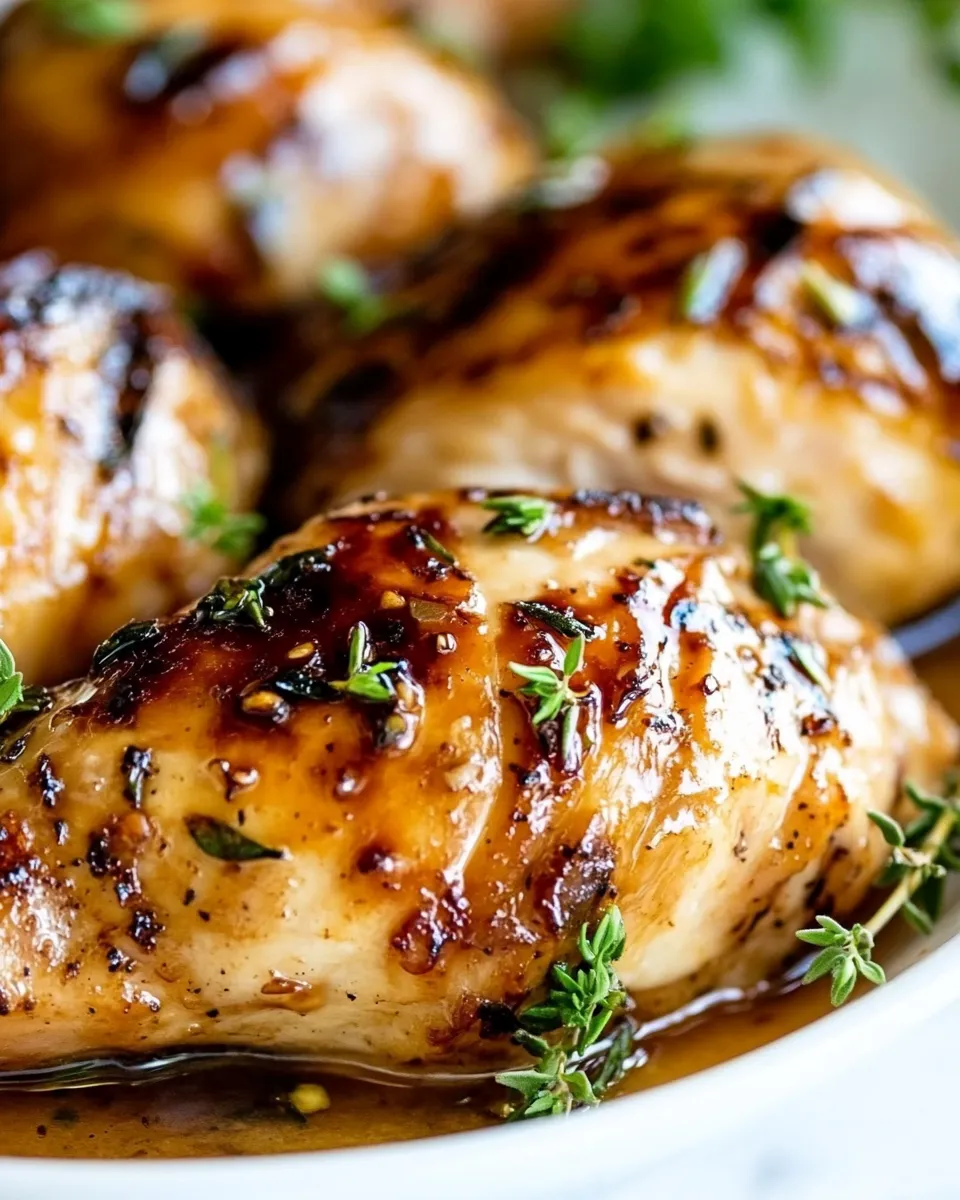
You can mix the marinade up to 24 hours ahead and refrigerate it in a sealed container. If you like stronger flavor, marinate the chicken for longer—up to 24 hours—so the flavors have time to work their way into the meat.
Step-by-step instructions
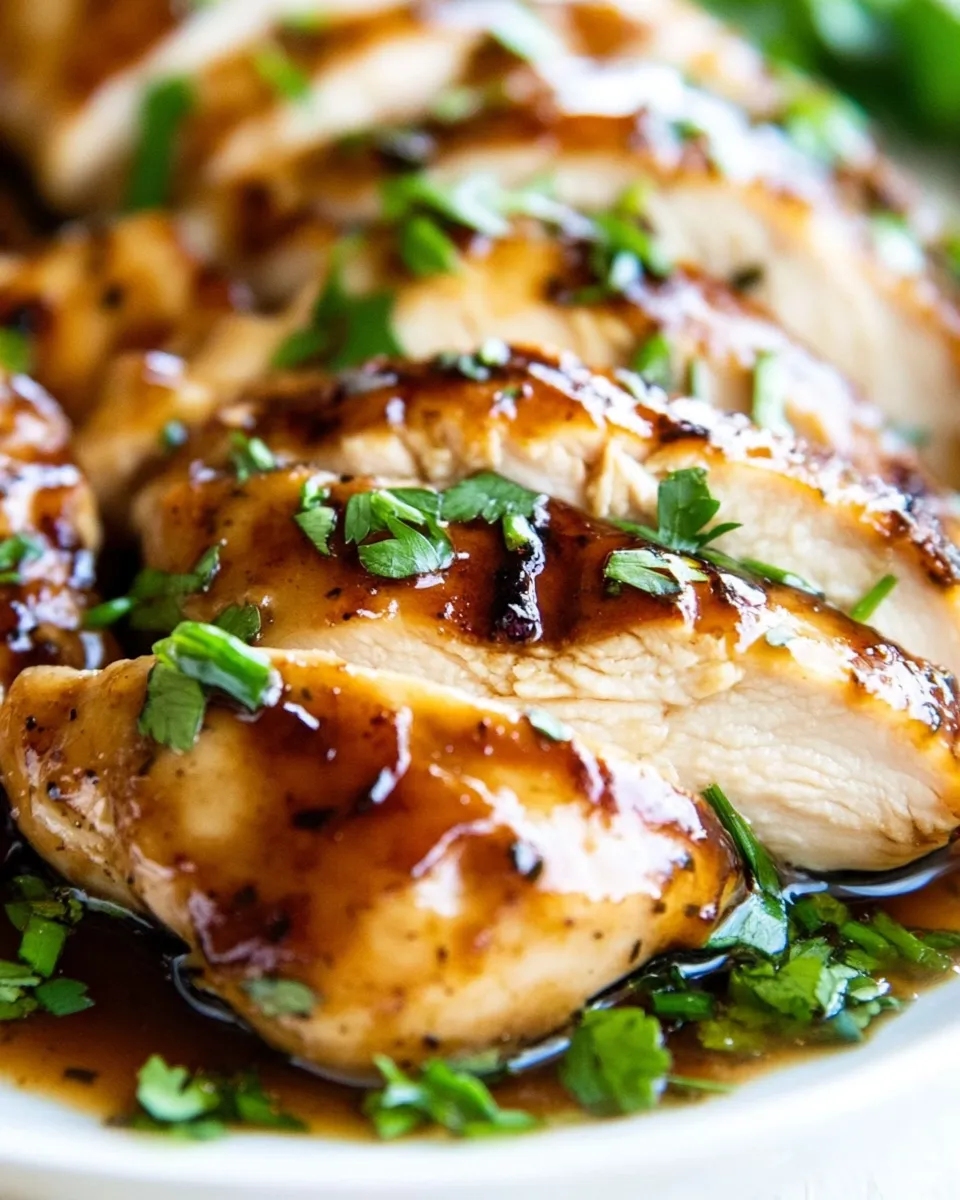
- Combine the wet ingredients: In a medium bowl, pour ½ cup extra virgin olive oil, ½ cup balsamic vinegar (or another vinegar of your choice), ¼ cup soy sauce, ¼ cup Worcestershire sauce, and ⅛ cup lemon juice. These form the flavorful liquid base that tenderizes and seasons the chicken.
- Add the sweet and savory elements: Add ¾ cup brown sugar and 2 tablespoon Dijon mustard (or Spicy Brown mustard) to the bowl. Whisk thoroughly until the brown sugar begins to dissolve and the mustard is fully incorporated.
- Season: Stir in 2 teaspoon dried rosemary, 1 ½ teaspoons salt, 1 teaspoon ground black pepper, and 2 teaspoon garlic powder. Mix until the dried herbs and spices are evenly distributed throughout the marinade.
- Finish the marinade: Whisk the mixture briskly for 20–30 seconds so the oil and vinegar form a smooth, slightly emulsified sauce. The mustard helps bind the oil and vinegar, so the marinade clings to the chicken and creates a glossy finish when cooked.
- Marinate the chicken: Place 6 chicken breasts (about 3.5 pounds total) into a large resealable plastic bag or a shallow dish. Pour the marinade over the chicken, ensuring each piece is coated. If using a bag, press out excess air and seal it; if using a dish, cover tightly with a lid or plastic wrap.
- Refrigerate while the flavors develop: Put the bag or dish in the refrigerator. For best results, marinate for at least 1 hour. For more pronounced flavor and deeper tenderness, allow the chicken to marinate for up to 24 hours. Turn the bag or flip the pieces occasionally so the chicken marinates evenly.
- Bring to room temperature before cooking: Remove the chicken from the refrigerator 20–30 minutes before cooking to allow it to come closer to room temperature. This helps the meat cook more evenly.
- Cook the chicken: Choose your preferred method—grill, skillet, or oven. For grilling: preheat the grill to medium-high heat and grill chicken breasts 6–8 minutes per side until the internal temperature reaches 165°F (74°C). For skillet: heat a tablespoon of oil in a large skillet over medium-high heat and cook 6–8 minutes per side until cooked through. For oven: preheat the oven to 400°F (204°C) and bake on a rimmed baking sheet for 20–25 minutes, or until the internal temperature reaches 165°F (74°C).
- Rest the chicken: Transfer cooked chicken to a cutting board and let it rest for 5 minutes. Resting allows juices to redistribute, keeping the meat moist when you slice into it.
- Serve: Slice the chicken and serve with your favorite sides—rice, salad, roasted vegetables, or tucked into sandwiches and wraps. Spoon any reserved, unused marinade that has not contacted raw chicken over cooked meat, or make a quick reduction of a portion of the marinade by simmering it in a small saucepan for several minutes until it thickens and reaches a safe temperature.
Notes and tips
- Do not reuse marinade: Any marinade that has been in contact with raw chicken should be discarded or boiled for several minutes before using as a sauce. To serve a sauce, reserve some marinade before adding raw meat.
- Adjust sweetness and acidity: If you prefer a brighter tang, swap half the balsamic for apple cider vinegar or add a splash more lemon juice. To make it less sweet, reduce the brown sugar slightly, but remember the sugar helps with browning and caramelization.
- Make it spicy: Stir in a pinch of cayenne, ½ teaspoon red pepper flakes, or a teaspoon of your favorite hot sauce to the marinade for a kick.
- Herb substitutions: If you don’t have dried rosemary, try 2 teaspoons dried oregano or 2 tablespoons fresh chopped rosemary for a fresh flavor. Dried herbs are more concentrated, so when swapping to fresh, increase the amount roughly threefold.
- Low-sodium option: Use low sodium soy sauce (as noted) and reduce added salt if you’re watching sodium intake. Taste the marinade before adding salt if you used low-sodium soy; you may find you need less.
- Cooking whole birds: This marinade works wonderfully for bone-in cuts and whole poultry; just allow more marinating time and adjust cooking times to the cut.
Serving ideas
Here are a few ways I love to enjoy this chicken:
- Slice over a bed of lemony couscous or herbed rice with roasted vegetables.
- Serve warm on top of a crisp salad with mixed greens, cherry tomatoes, cucumber, and a drizzle of the reduced marinade.
- Tuck slices into wraps with hummus, spinach, and shaved red onion for a quick lunch.
- Pair with grilled vegetables and a simple potato salad for a backyard meal.
Storage
Cooked chicken keeps well in an airtight container in the refrigerator for up to 4 days. Reheat gently in a skillet or oven to avoid drying, or serve cold sliced on salads and sandwiches.
Why this recipe should be in your repertoire
This recipe is forgiving, adaptable, and delivers consistent results. It enhances natural chicken flavor without masking it, and it’s versatile enough to be used with other proteins or even hearty vegetables like portobello mushrooms. The balance of acid, fat, salt, and sugar makes every bite satisfying, whether you’re feeding a family or prepping meals for the week.
Final thoughts
When someone asks for my go-to for juicy, flavorful chicken, I reach for this one. It’s easy to mix, simple to use, and the results are reliably delicious. Keep a jar of these pantry-friendly ingredients on hand and you’ll have a quick way to upgrade any chicken dinner in minutes.
Enjoy the transformation from plain to sensational—this truly is The BEST Chicken Marinade.
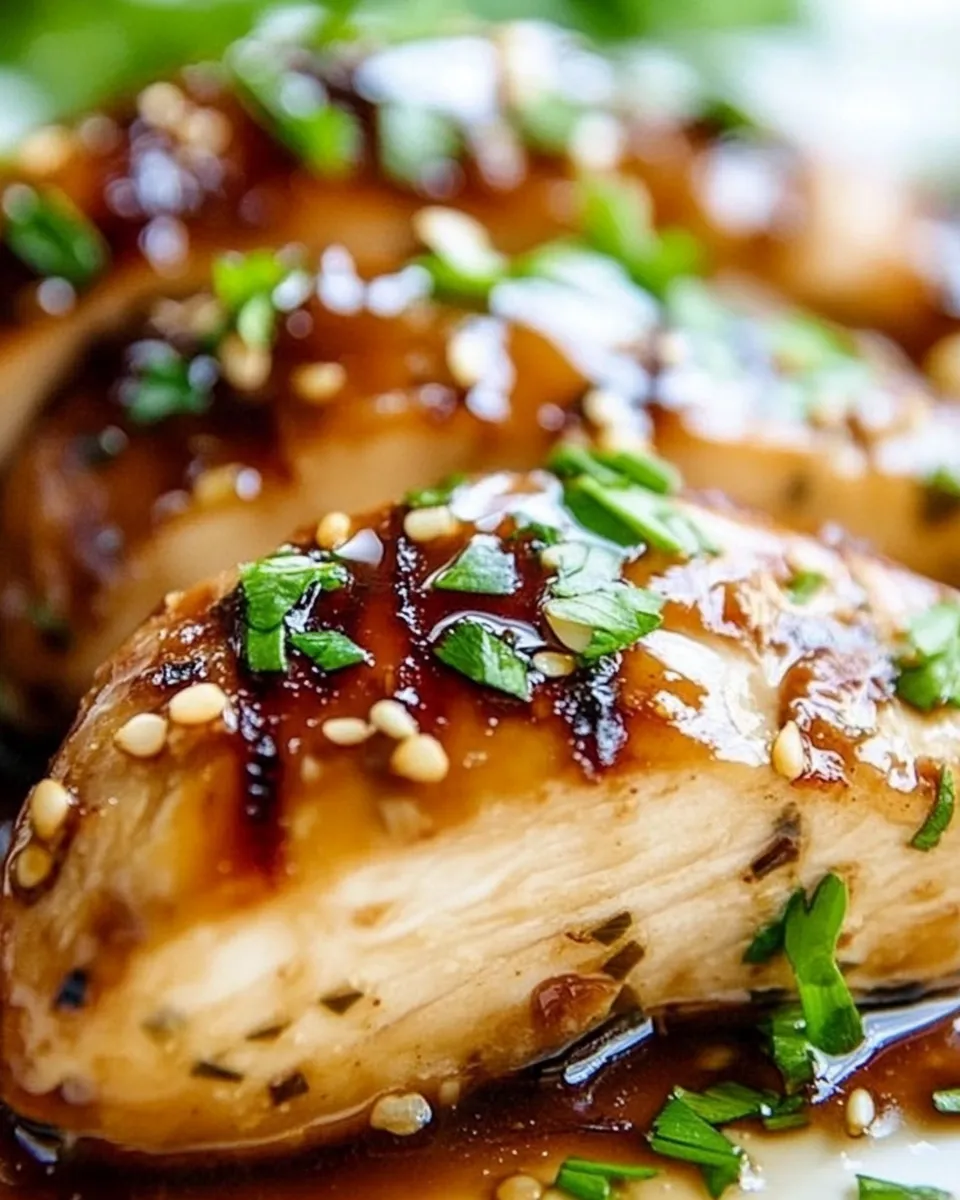
The BEST Chicken Marinade
Ingredients
Equipment
Method
- In a large mixing bowl, whisk together the olive oil, balsamic vinegar, soy sauce, Worcestershire sauce, lemon juice, brown sugar, dried rosemary, Dijon mustard, salt, black pepper, and garlic powder until smooth and the sugar is mostly dissolved.
- Reserve 1/2 cup of the marinade in a separate container for basting or finishing the chicken later.
- Place the chicken breasts in a large resealable bag and pour the remaining marinade over the chicken; seal the bag and gently massage to coat all pieces evenly.
- Refrigerate and marinate the chicken for at least 30 minutes and up to 24 hours (4–6 hours is ideal).
- When ready to cook, preheat your grill to medium-high and lightly oil the grates.
- Remove chicken from the bag, letting excess marinade drip off, and grill for about 5–6 minutes per side, basting occasionally with the reserved marinade, until the internal temperature reaches 165°F.
- Transfer the cooked chicken to a plate, tent loosely with foil, and let rest at least 5 minutes before serving.
- If you want a sauce, bring the reserved marinade to a rolling boil and simmer until slightly reduced before using to finish the chicken.
Notes
- Marinate for at least 30 minutes; longer (up to 24 hours) increases flavor.
- Bring reserved marinade to a boil before using as a sauce.
- Grill: cook 5–6 minutes per side until 165°F internal temperature.
- Bake: 400°F for 18–22 minutes, or 450°F for 15–18 minutes, until 165°F.
- Stovetop: cook 8–10 minutes per side over medium-high heat until 165°F.