Turkish Rice Pilaf with Orzo
There are dishes that feel like a warm embrace the moment they hit the table, and this Turkish Rice Pilaf with Orzo is exactly that kind of comfort. It’s simple, elegant, and so easy to make—perfect for a weeknight side or a centerpiece for a relaxed dinner. With fluffy rice, toasted orzo, fragrant onion and garlic, and a bright splash of lemon, this pilaf elevates humble ingredients into something special.
This recipe uses just a few pantry staples and comes together quickly. The trick is to toast the orzo first so it turns a beautiful golden brown and adds a nutty depth that pairs wonderfully with the tender rice. A little butter plus a neutral oil gives the pilaf both flavor and the necessary fat to achieve a satin texture. The final squeeze of lemon lifts the whole dish, balancing the richness and bringing a hint of brightness that keeps every forkful lively.
Ingredients
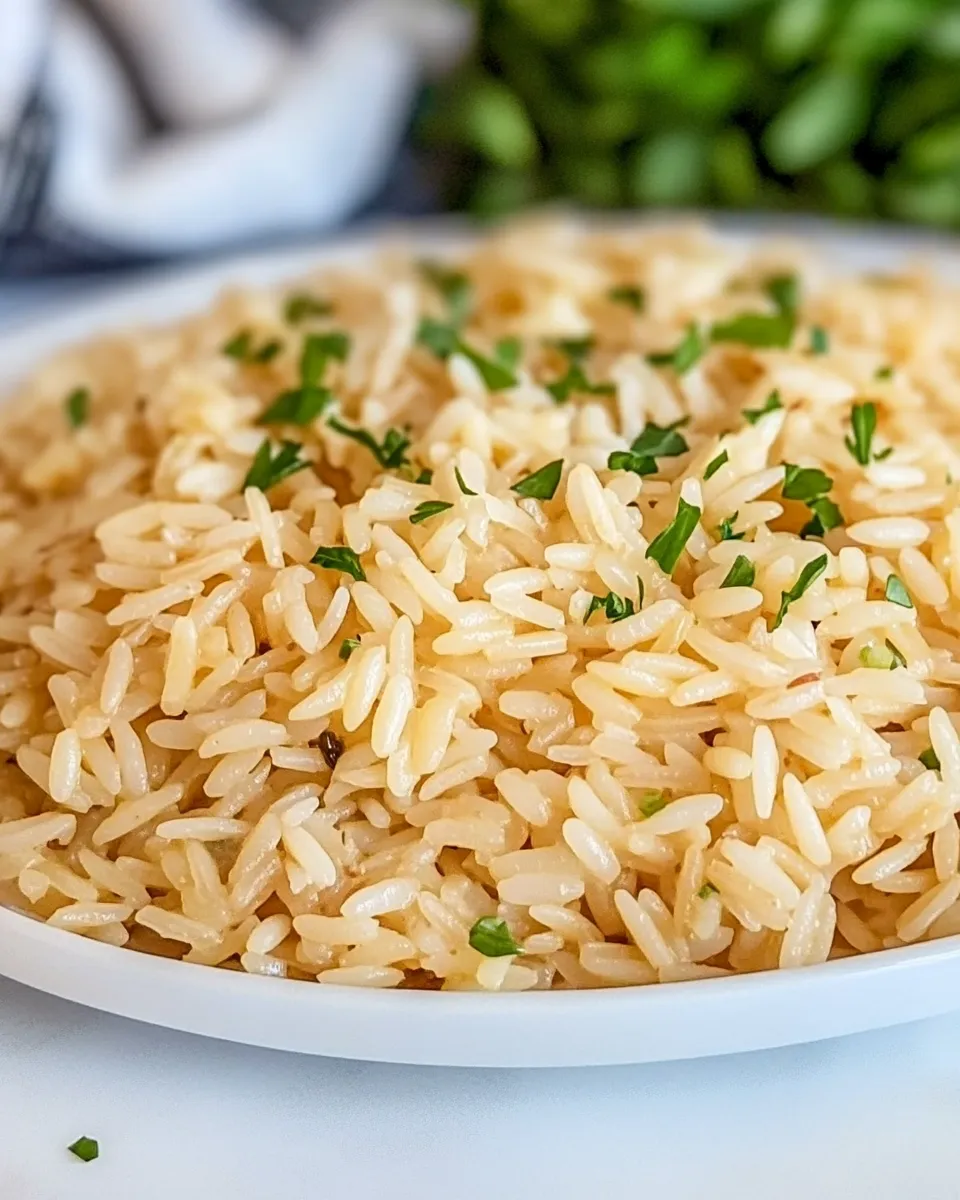
- 1 cup rice – use a long-grain white rice like basmati or jasmine for the best texture
- 2 ½ cups vegetable broth
- 1 tablespoon oil
- 2 tablespoon butter
- ½ cup orzo
- 1 onion, finely chopped
- 1 clove garlic, finely chopped
- 1 teaspoon salt
- ¼ teaspoon pepper
- 2 teaspoon lemon juice
Why this version works
This Turkish Rice Pilaf with Orzo riffs on a classic technique: toasting pasta in fat before adding rice and liquid. That initial browning of the orzo develops a toasty, almost nutty note that becomes the backbone of the dish. Cooking the aromatics—onion and garlic—until soft and fragrant allows their sweetness to fold into the rice, while the butter lends richness and sheen. Using vegetable broth instead of water adds depth without overpowering the delicate flavors. Finally, the lemon juice at the end wakes everything up, giving the pilaf a clean finish.
Equipment
- Medium saucepan with a tight-fitting lid
- Spoon or spatula
- Measuring cups and spoons
- Fine mesh strainer (optional, for rinsing rice)
Step-by-step instructions
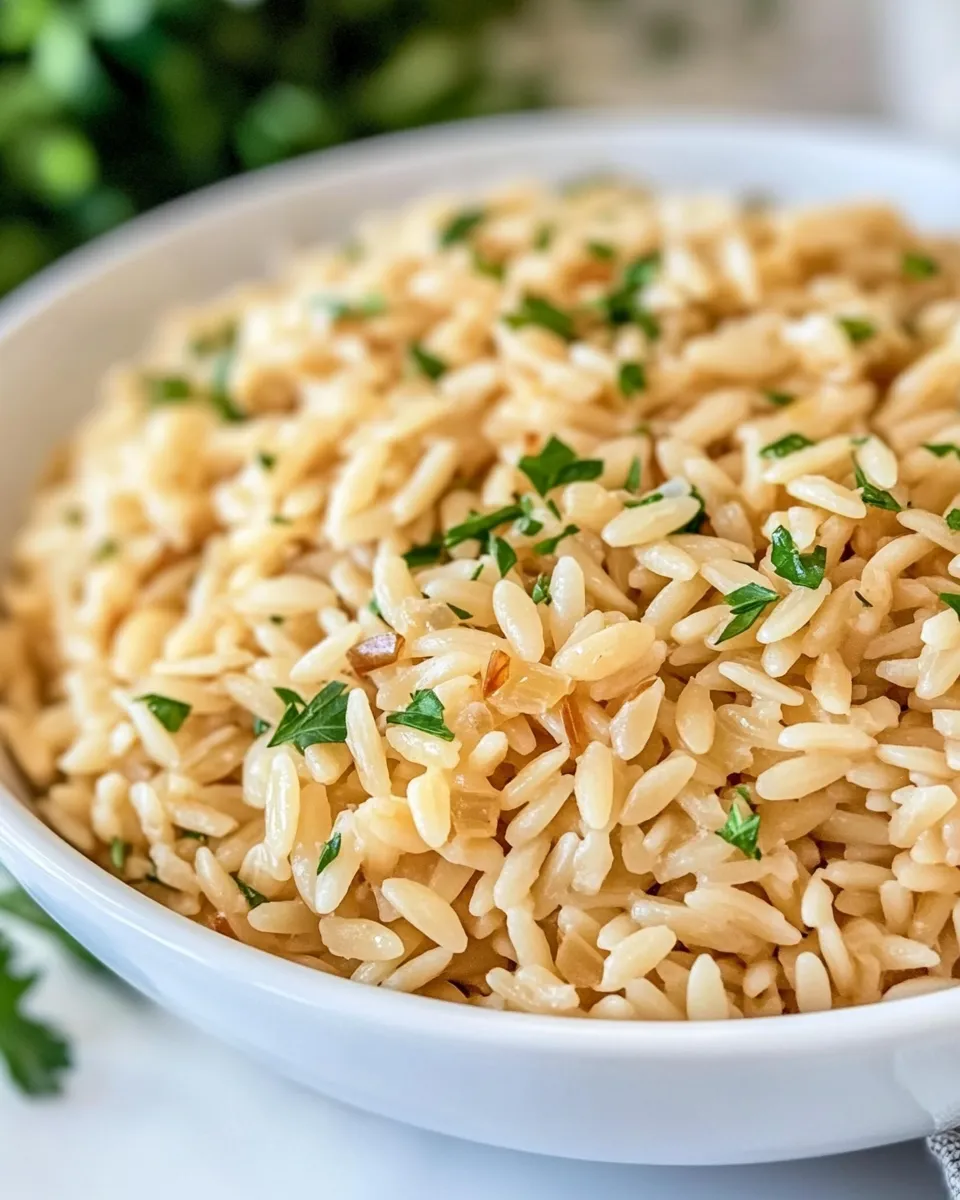
Follow these clear, ordered steps to make a perfectly tender Turkish Rice Pilaf with Orzo. Measurements and ingredient names match the ingredient list above exactly. The directions are rewritten for clarity while keeping the original sequence intact.
- Prepare the rice: If you prefer, rinse 1 cup rice under cold water in a fine mesh strainer until the water runs mostly clear. Drain well. Rinsing removes excess surface starch and helps the rice cook up fluffy.
- Heat the fat: Place a medium saucepan over medium heat and add 1 tablespoon oil and 2 tablespoon butter. Let the butter melt and the mixture warm until it starts to shimmer but is not smoking.
- Toast the orzo: Add ½ cup orzo to the pan and stir continuously for about 2 to 4 minutes, until the orzo turns a golden brown. Keep the heat moderate so the orzo browns evenly without burning.
- Soften the onion and garlic: Add 1 onion, finely chopped, and 1 clove garlic, finely chopped, to the pan with the toasted orzo. Sauté for 3 to 5 minutes, stirring occasionally, until the onion becomes translucent and tender and the garlic is fragrant. Adjust the heat as needed to prevent browning.
- Add the rice: Stir in 1 cup rice, mixing it with the orzo and aromatics so the grains are coated in the butter and oil. Cook for 1 to 2 minutes to let the rice warm and pick up some of the toasted flavor.
- Season and add liquid: Sprinkle in 1 teaspoon salt and ¼ teaspoon pepper, then pour in 2 ½ cups vegetable broth. Give everything a gentle stir to combine, making sure no grains are stuck to the bottom of the pot.
- Bring to a simmer: Increase the heat to bring the broth to a gentle boil. Once it’s bubbling, immediately reduce the heat to low so the liquid barely simmers. Cover the pan with a tight-fitting lid.
- Cook gently: Let the pilaf simmer, covered, for 15 to 20 minutes without lifting the lid. During this time the rice will absorb the broth and become tender. Avoid stirring, which can make the rice gummy.
- Rest off the heat: After the cooking time, remove the pan from the heat but keep it covered. Let the pilaf rest for 5 to 10 minutes to steam and finish cooking. This helps the grains set and become fluffy.
- Finish and fluff: Remove the lid and add 2 teaspoon lemon juice. Use a fork to gently fluff the rice and orzo, separating the grains and distributing the lemon through the pilaf.
- Taste and adjust: Sample the pilaf and adjust seasoning if needed—add a pinch more salt or a little extra lemon juice to brighten the flavor as you like.
- Serve: Transfer the Turkish Rice Pilaf with Orzo to a serving bowl or plate. Serve warm alongside grilled vegetables, roasted meats, or as part of a meze spread.
Serving suggestions
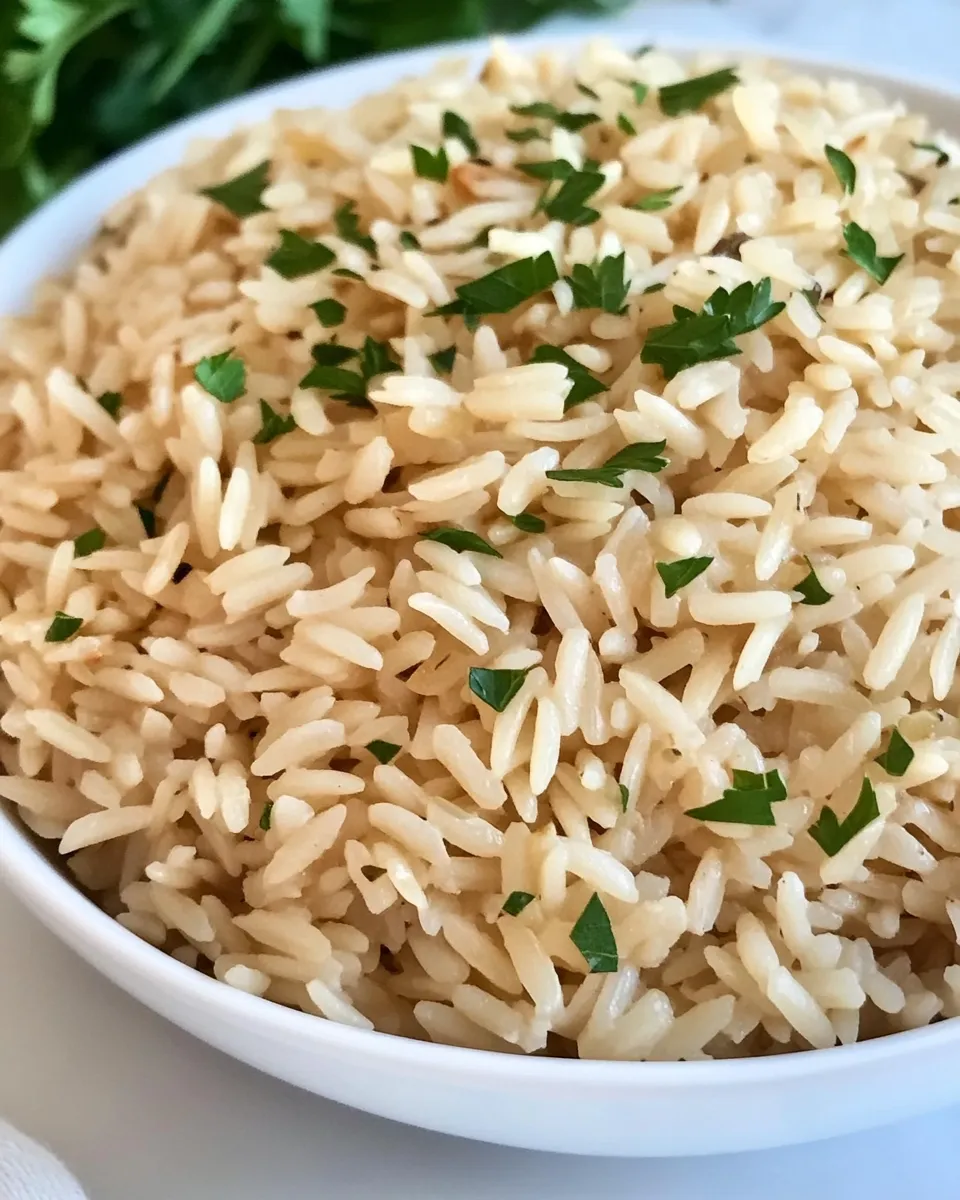
This Turkish Rice Pilaf with Orzo plays well with many dishes. It’s a classic accompaniment to grilled chicken or fish, a comforting partner for braised vegetables, and an elegant contrast to richly spiced stews. For a full spread, serve it with a crisp salad, roasted eggplant, and a dollop of plain yogurt. A scattering of chopped fresh parsley or dill and a few toasted pine nuts also makes a lovely finishing touch.
Make-ahead and storage
You can make the pilaf a day ahead and refrigerate it in an airtight container. Reheat gently on the stovetop with a splash of broth or water to loosen the grains, or microwave with a damp paper towel to retain moisture. Leftovers will keep well for 3 to 4 days in the fridge. The rice also freezes well—pack into freezer-safe containers for up to one month, thaw overnight in the fridge, then reheat as above.
Tips for success
- Use long-grain rice: Long-grain varieties are less sticky and produce a light, separate texture ideal for pilaf.
- Don’t skip toasting the orzo: That browning step gives the pilaf a deeper, nutty flavor that distinguishes it from plain rice with extras.
- Low, steady heat is key: Once you add the broth, keep the heat low and resist the urge to peek. Gentle steam cooks the grains evenly.
- Adjust the broth if needed: If your rice variety cooks faster or slower, reduce or increase the liquid absorption time while maintaining the same 2 ½ cups vegetable broth measurement.
- Finish with acid: The 2 teaspoon lemon juice brightens the dish—don’t skip it unless you prefer a more muted finish.
Flavor variations
While this Turkish Rice Pilaf with Orzo is delightful as written, a few small additions can personalize the dish. Stir in a handful of chopped toasted almonds, pistachios, or pine nuts for crunch. Fold in fresh herbs like parsley, dill, or mint at the end for a fragrant lift. For a heartier pilaf, toss in some cooked chickpeas or sautéed mushrooms. Each tweak keeps the dish warm and inviting while offering new textures and flavors.
Common questions
Can I use chicken broth instead of vegetable broth? Yes—use an equivalent amount of broth to keep the flavor balanced.
Do I need to rinse the rice? Rinsing is optional but recommended if you want very fluffy, separate grains. Rinse until the water runs mostly clear.
What if my orzo browns too quickly? If the orzo starts to burn, reduce the heat and stir more continuously. Lowering the heat will allow even toasting without scorching.
Final thoughts
This Turkish Rice Pilaf with Orzo is a brilliant example of how a few thoughtful steps turn simple pantry staples into something special. It’s quick enough for busy nights, elegant enough for company, and endlessly adaptable. The nutty orzo, tender rice, and bright lemon make a satisfying side that complements a wide range of main dishes. Keep this recipe in your regular rotation—you’ll find it earns its place on weeknight and holiday tables alike.
Ready to make it? Gather your ingredients and follow the steps above for a reliably delicious pilaf every time.
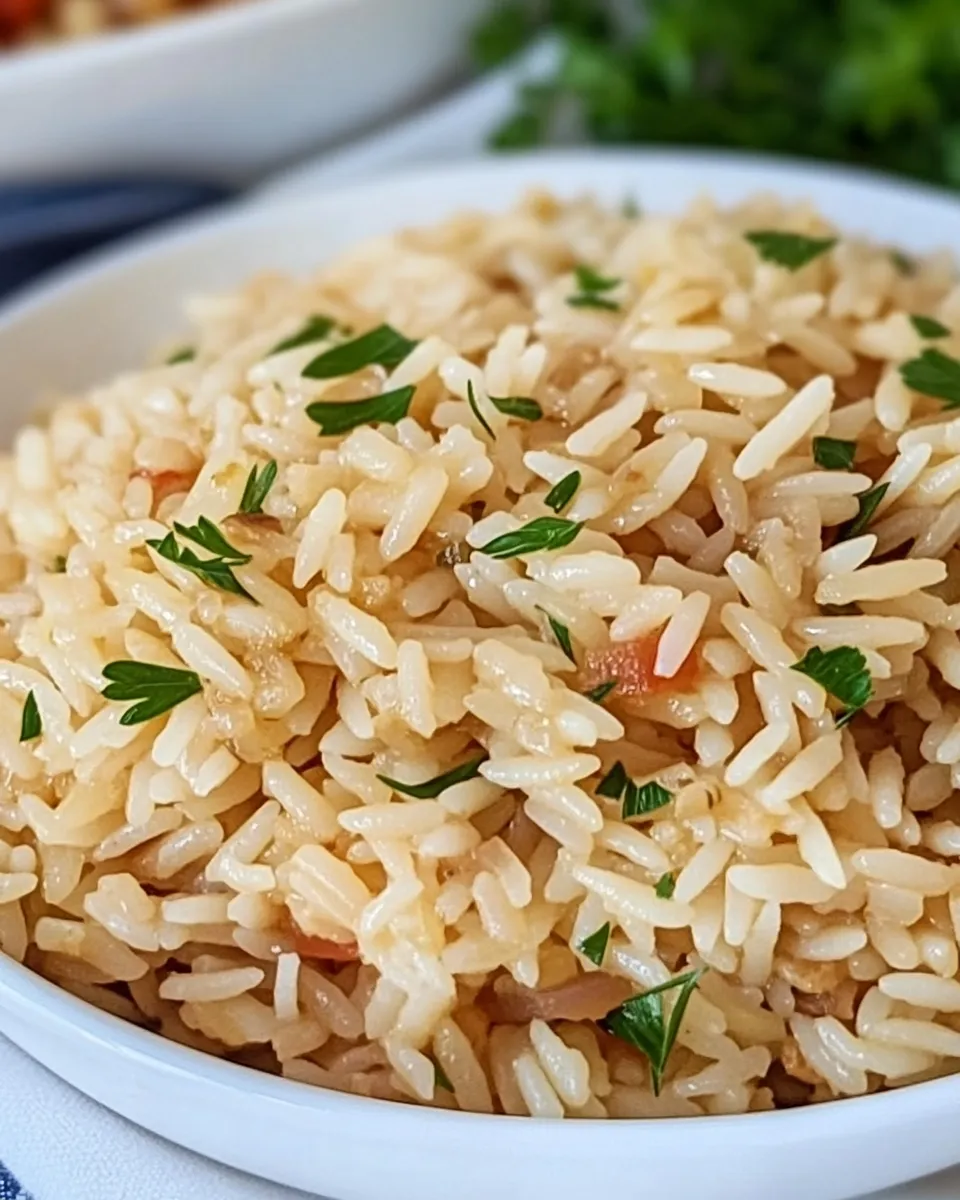
Turkish Rice Pilaf with Orzo
Ingredients
Equipment
Method
- Rinse 1 cup long-grain white rice under cold water until the water runs clear, then drain in a fine-mesh sieve.
- Heat 2 1/2 cups vegetable broth in a small saucepan until simmering, then keep warm.
- Over medium heat, melt 2 tablespoons butter with 1 tablespoon oil in a large skillet with a lid.
- Add 1/2 cup orzo to the skillet and stir to coat; sauté, stirring occasionally, until the orzo is golden brown, about 4–5 minutes.
- Reduce heat to medium-low and add 1 finely chopped onion; sauté gently until softened, about 4 minutes.
- Add 1 clove finely chopped garlic and the drained rice; stir for about 1 minute until the rice looks glossy and slightly translucent.
- Pour in the hot broth, then add 1 teaspoon salt and 1/4 teaspoon pepper and bring to a gentle simmer.
- Cover, reduce heat to low, and simmer without lifting the lid for 20–25 minutes, until the rice is tender and the liquid is absorbed.
- Remove the skillet from heat and let the pilaf sit, covered, for 5–10 minutes; then fluff with a fork.
- Stir in 2 teaspoons lemon juice, taste, adjust seasoning if needed, and serve.
Notes
- Use long-grain white rice for best results.
- Vegetable or chicken broth may be used for flavor preference.
- Any onion variety is acceptable, or substitute two shallots.
- Rinse rice thoroughly (three rinses) to remove excess starch.
- If rice is undercooked, continue simmering with a little extra broth as needed.