Tuscan Basil Chicken
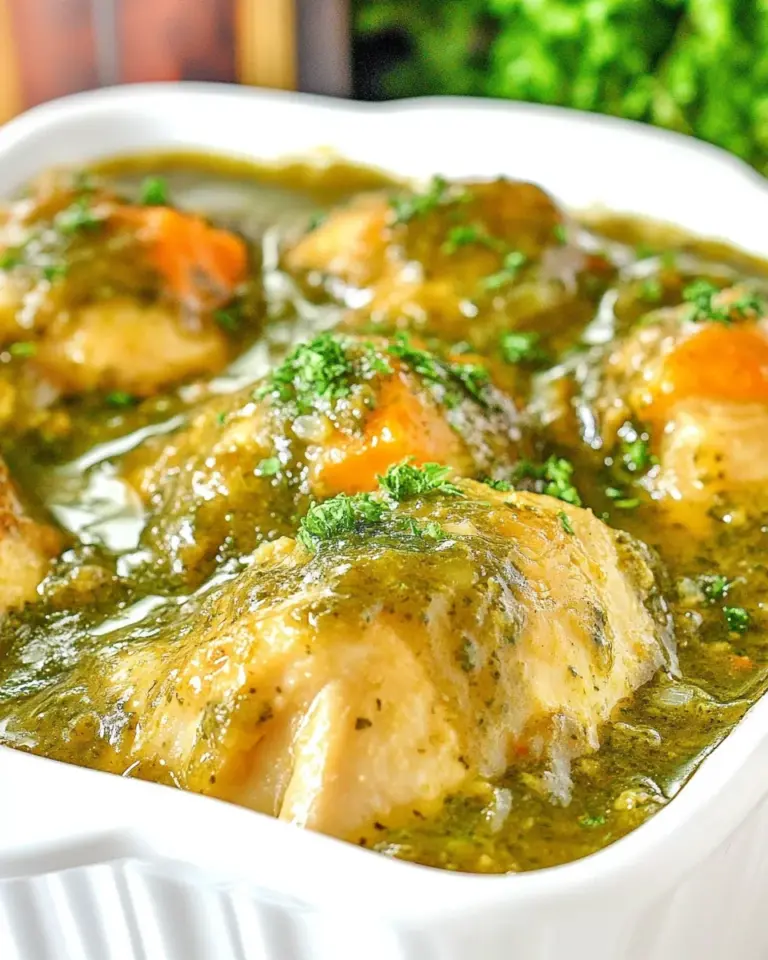
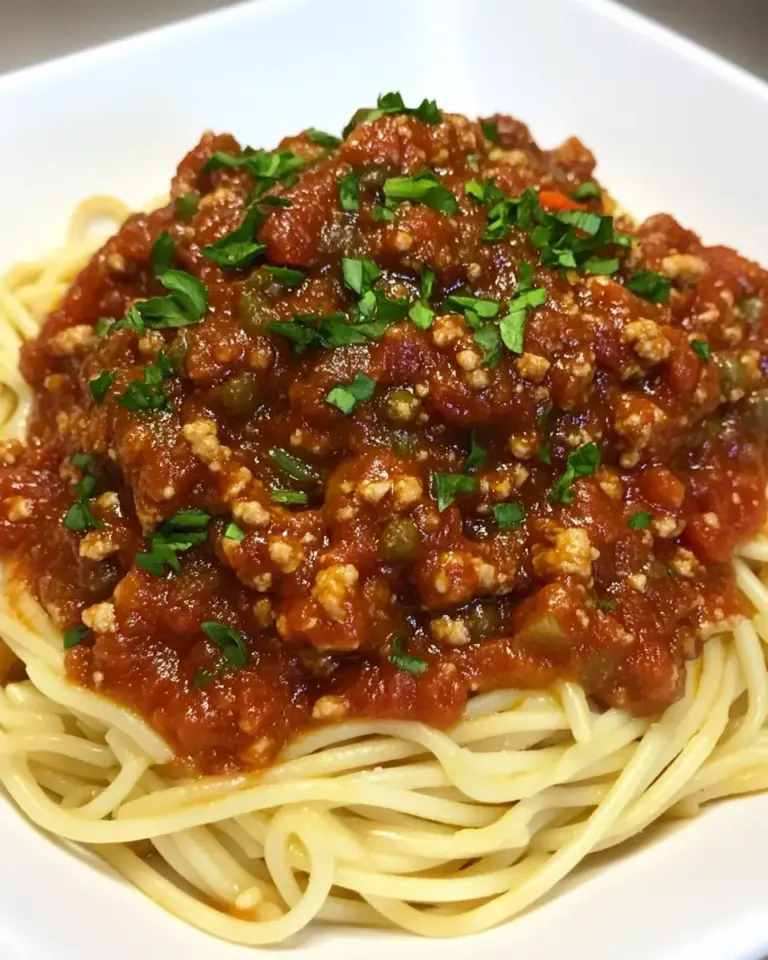
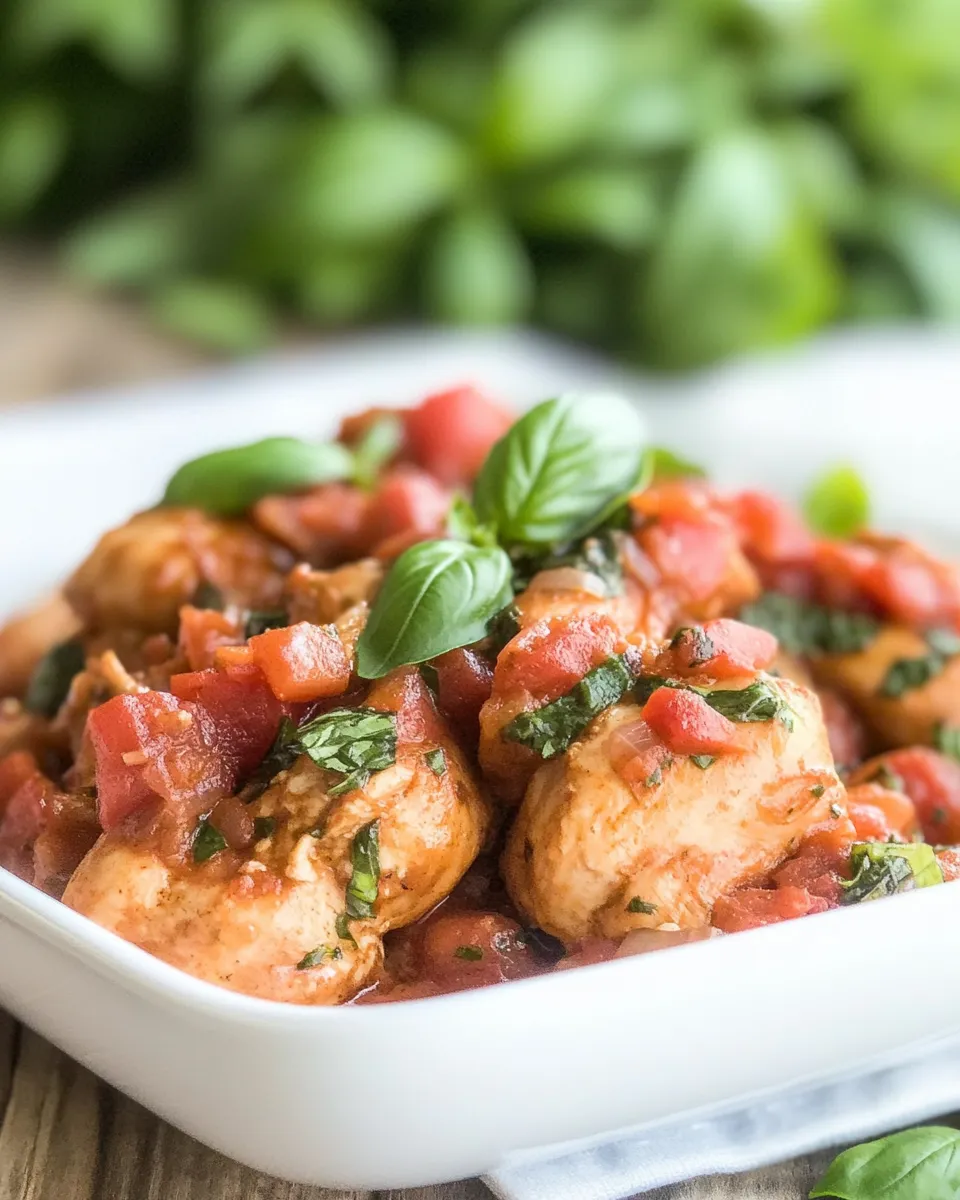
This is a simple, comforting Tuscan Basil Chicken that feels like a warm kitchen hug. Tender chicken breasts simmered with sautéed vegetables, crushed tomatoes seasoned with herbs, and finished with grated parmesan and fresh basil make a weeknight dinner that tastes like you spent hours cooking. The flavors are bright, homey, and crowd-pleasing—perfect spooned over rice, pasta, or creamy polenta.
Why you’ll love this recipe
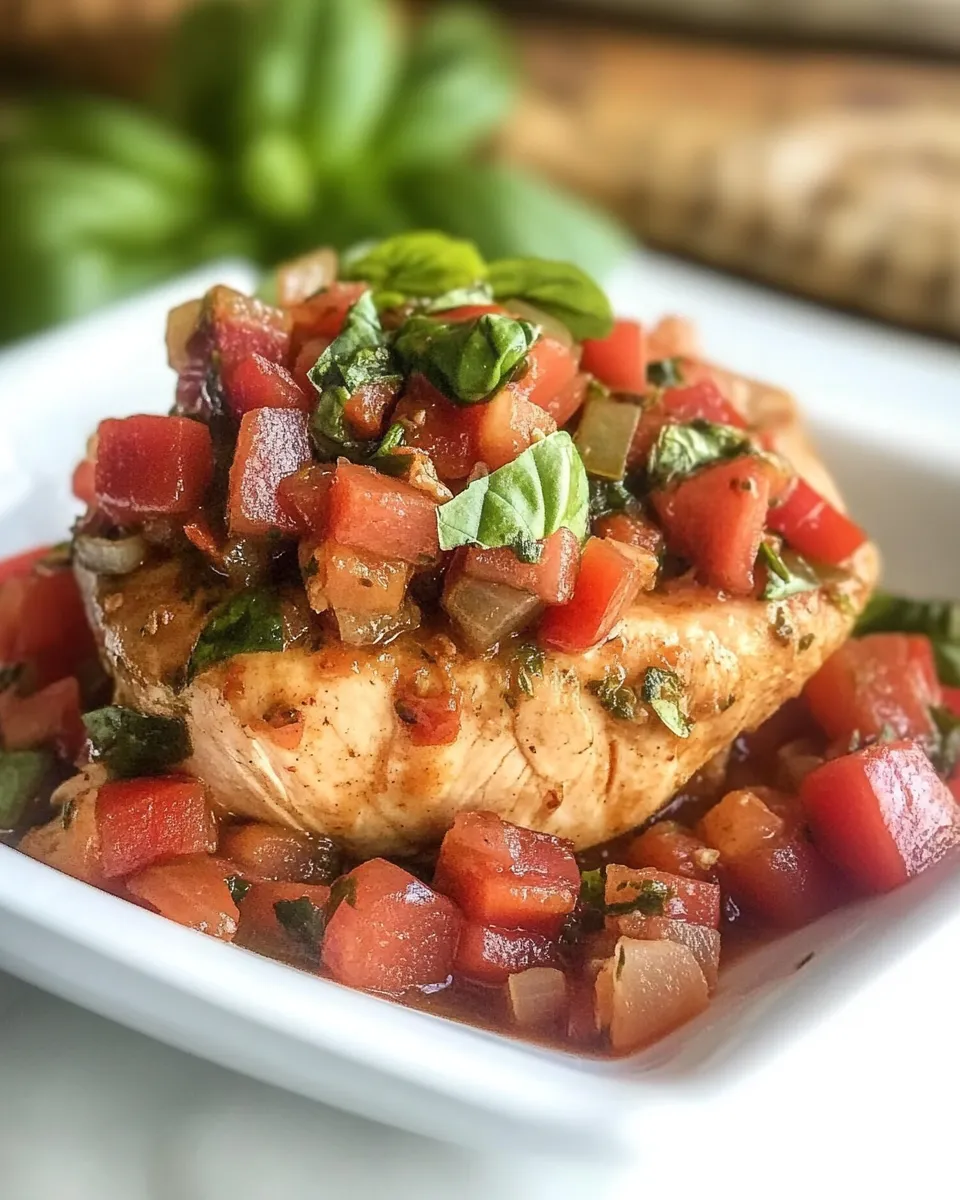
It’s straightforward, pantry-friendly, and flexible. The vegetable base adds sweetness and texture, the tomato base brings acid and depth, and the parmesan and basil add savory, fresh finishing notes. The recipe uses everyday ingredients and comes together without fuss, but it still delivers layers of flavor that feel special. It’s the kind of dish you’ll make when you want comfort without a long ingredient list.
Ingredients
- ▢1poundboneless, skinless chicken breasts, about 3 whole breasts
- ▢1tablespoonolive oil
- ▢1 ½cupdiced onion, about 1 large onion
- ▢1cupdiced carrot, about 1 large carrot
- ▢⅓cupdiced celery, about 1 large celery rib
- ▢1(14.5-ounce)can crushed tomatoes with basil, oregano, and garlic
- ▢¼cupgrated parmesan cheese
- ▢1tablespoonchopped fresh basil
- ▢½teaspoonsalt
- ▢¼teaspoonground black pepper
Prep tips
- Bring the chicken to room temperature for 15–20 minutes before cooking so it cooks evenly.
- Dice the onion, carrot, and celery uniformly so they soften at the same rate and create a balanced texture.
- Grate the parmesan fresh if you can—pre-grated cheese works in a pinch, but fresh gives a silkier finish.
Equipment
- Large skillet with a lid
- Wooden spoon or silicone spatula
- Cutting board and sharp knife
- Measuring cups and spoons
Step-by-step instructions
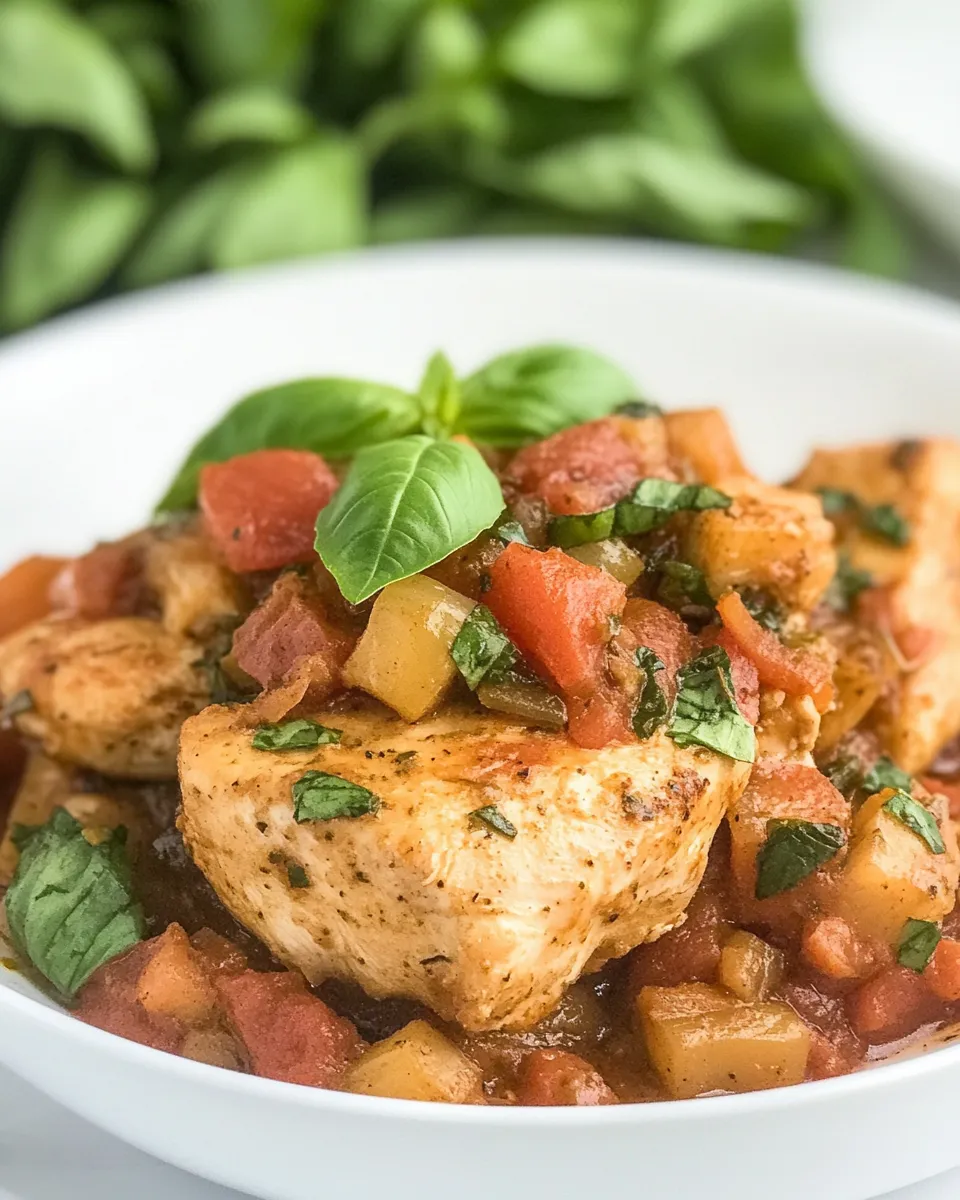
Follow each step in order. The directions below are rewritten for clarity and to reflect the exact ingredient list above.
- Pat the chicken breasts dry with paper towels. If any breasts are very thick, slice them horizontally to make similar thicknesses so they cook evenly. Season both sides lightly with the salt and pepper specified in the ingredient list.
- Heat 1 tablespoon olive oil in a large skillet over medium heat until it shimmers. Add the seasoned chicken breasts and cook until lightly browned on the first side, about 4–5 minutes. Flip and brown the other side for 3–4 minutes. The goal here is to develop color, not to fully cook the chicken through.
- Remove the chicken to a clean plate and tent loosely with foil. Reduce the heat to medium-low. In the same skillet, add the diced onion, diced carrot, and diced celery. Stir to combine and cook, stirring occasionally, until the vegetables are softened and translucent, about 6–8 minutes. Scrape up any browned bits from the pan so they become part of the flavor base.
- Pour the entire 14.5-ounce can of crushed tomatoes with basil, oregano, and garlic into the skillet with the softened vegetables. Stir to incorporate the vegetables and scrape the pan. Bring the mixture to a gentle simmer over medium-low heat.
- Return the browned chicken breasts to the skillet, nestling them into the tomato-vegetable sauce. Spoon some sauce over each piece so they are partially covered. Cover the skillet with a lid, reduce the heat to low, and simmer gently until the chicken is cooked through and registers 165°F (74°C) at the thickest part, about 12–15 minutes depending on thickness.
- Once the chicken is fully cooked, remove the lid and spoon sauce over the chicken. Sprinkle ¼ cup grated parmesan cheese evenly over the chicken and sauce. Allow the heat to melt the cheese into the sauce for 1–2 minutes, stirring gently if you like a more integrated finish.
- Remove the skillet from the heat. Stir in 1 tablespoon chopped fresh basil, reserving a few whole leaves for garnish if desired. Taste the sauce and adjust seasoning with the remaining pinch of salt and ¼ teaspoon ground black pepper if needed, remembering the amounts specified in the ingredients.
- Serve the chicken hot with spoonfuls of the tomato and vegetable sauce. Garnish with the reserved basil leaves and an extra sprinkle of parmesan if you like. This dish pairs beautifully with cooked pasta, rice, crusty bread, or creamy polenta to soak up the sauce.
Serving suggestions
For a classic pairing, toss cooked spaghetti or penne with a little olive oil, then top with a chicken breast and generous spoonfuls of sauce. For a lighter plate, serve over steamed rice or quinoa. A side of roasted vegetables or a crisp green salad adds freshness and texture contrast. Leftovers reheat well—warm gently on the stovetop to preserve the sauce’s texture.
Make-ahead and storage
You can prepare this recipe up to two days in advance. Cool completely, then store in an airtight container in the refrigerator. To reheat, place in a skillet over medium-low heat with a splash of water or broth if the sauce has thickened, and warm until heated through. For longer storage, freeze portions for up to three months; thaw overnight in the refrigerator before reheating.
Flavor variations
- Add a splash of cream or a dollop of mascarpone at the end for a creamy finish.
- Stir in a handful of baby spinach during the last 2 minutes of cooking for added color and nutrients.
- If you like heat, add a pinch of red pepper flakes when you add the crushed tomatoes.
- For an olive-forward version, stir in a quarter cup of sliced kalamata or green olives just before serving.
Notes on ingredients
The recipe calls for a can of crushed tomatoes already flavored with basil, oregano, and garlic. That combination creates a quick, seasoned sauce base that saves time while deepening the flavor. The parmesan cheese adds saltiness and umami, while the fresh basil brightens the finished dish—don’t skip it if you can help it. The chicken amount is one pound, roughly three breasts; if your breasts are significantly larger, you can cut them in half horizontally to keep cooking times uniform.
Common questions
Can I use bone-in chicken?
Yes, but adjust cooking time. Bone-in pieces will require longer simmering—check for doneness with an instant-read thermometer inserted near the bone.
Can I make this in the oven?
Yes. After browning the chicken and sautéing the vegetables, transfer everything to an oven-safe dish, cover with sauce and cheese, and bake at 375°F (190°C) until the chicken reaches 165°F (74°C), about 20–30 minutes depending on thickness.
How can I reduce sodium?
Use low-sodium crushed tomatoes and reduce the added salt to taste. Parmesan is naturally salty, so taste before adding more salt at the end.
Final thoughts
This Tuscan Basil Chicken is a reliable weeknight winner: modest ingredients, straightforward technique, and satisfying results. It strikes the right balance between rustic comfort and bright, herb-forward Italian flavors. Make a double batch of the sauce if you love leftovers—this dish only gets better the next day when the flavors have more time to meld.
Enjoy this cozy, flavorful meal and make it your own with the small variations suggested above. The combination of tender chicken, savory tomatoes infused with garlic and herbs, and the finishing notes of parmesan and fresh basil make for an easy dinner that everyone at the table will enjoy.
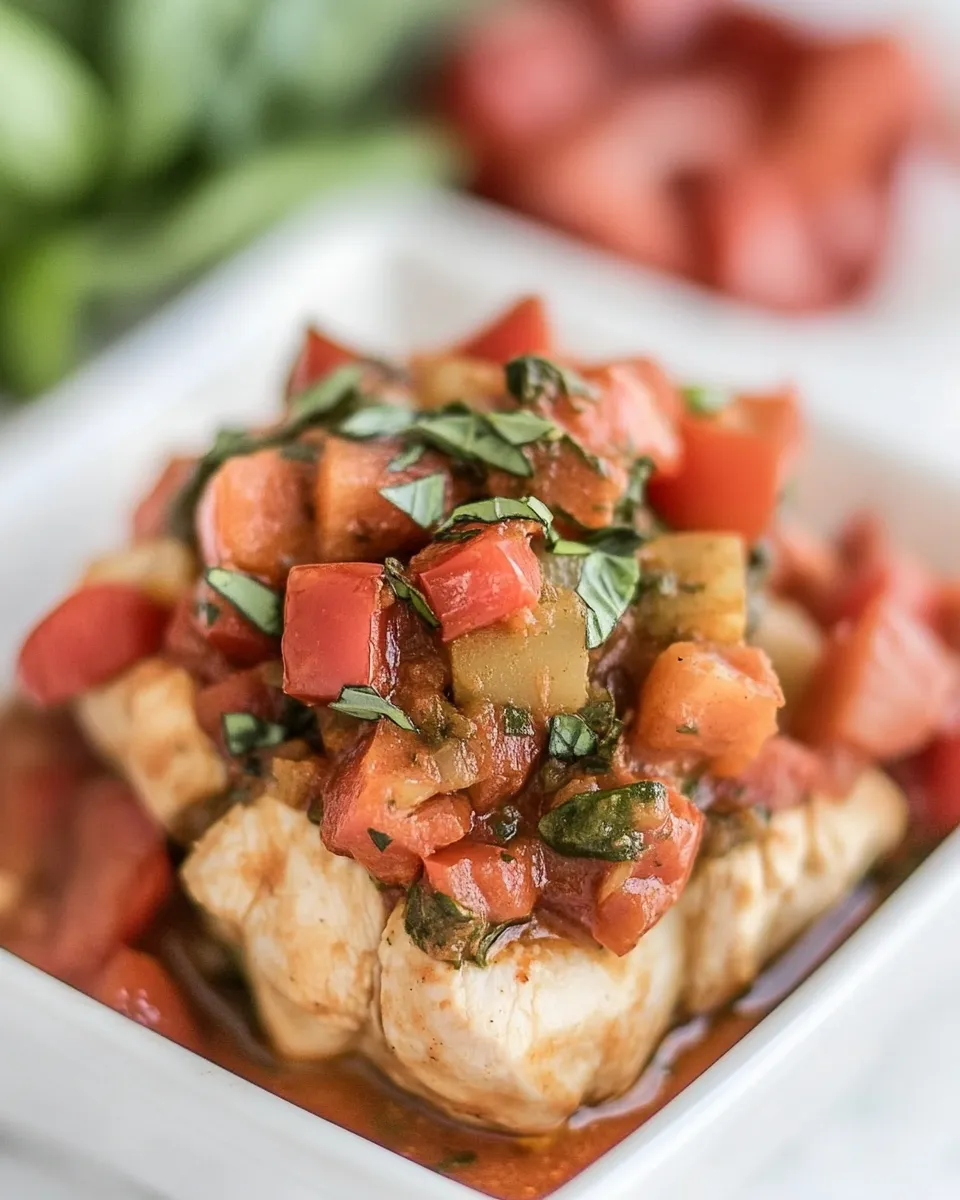
Tuscan Basil Chicken
Ingredients
Equipment
Method
- Heat 1 tablespoon olive oil in a large skillet over medium heat.
- Add the diced onion, diced carrot, and diced celery to the skillet and cook, stirring occasionally, for 2–3 minutes until the vegetables begin to soften.
- While the vegetables cook, slice the chicken breasts into strips.
- Add the chicken strips to the skillet and cook for 5–6 minutes, stirring occasionally, until the chicken is no longer pink on the outside.
- Stir in the can of crushed tomatoes, grated parmesan, chopped fresh basil, salt, and black pepper; bring the mixture to a boil.
- Reduce heat to medium-low and simmer for about 10 minutes, until the sauce is slightly reduced and the chicken is cooked through.
- Serve the Tuscan basil chicken over rice or pasta if desired.
Notes
- Use fresh basil for best flavor.
- Slice chicken uniformly for even cooking.
- Drain excess liquid from canned tomatoes if you prefer a thicker sauce.
- Adjust salt and pepper to taste at the end.