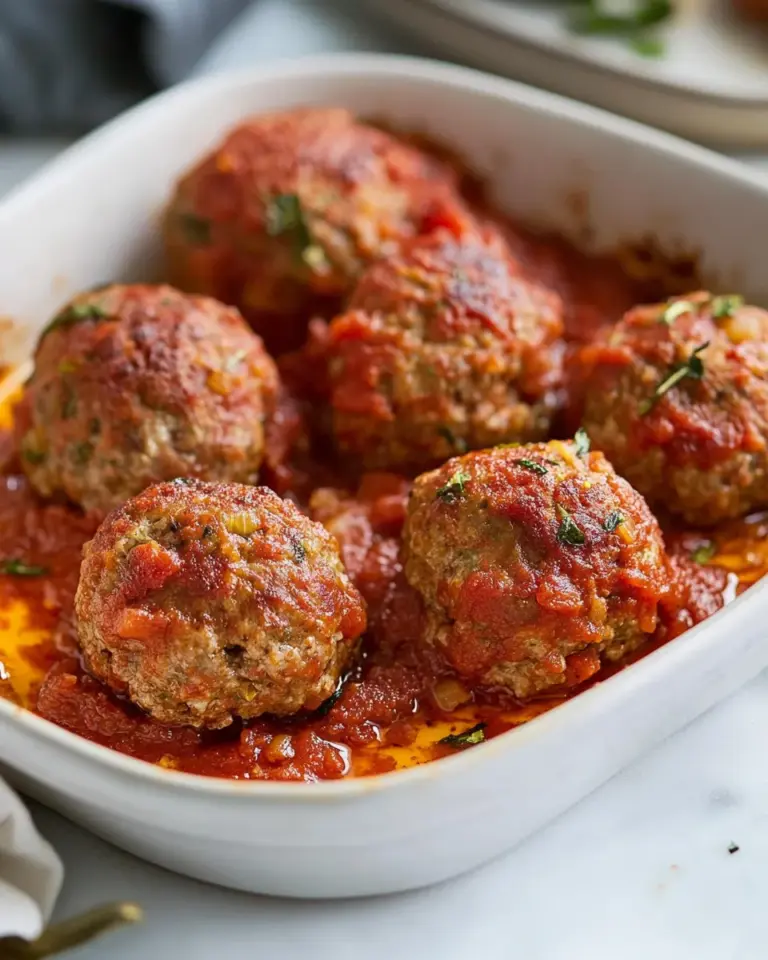
Vegetarian Spaghetti Sauce
There’s something comforting and endlessly versatile about a pot of rich, home-cooked Vegetarian Spaghetti Sauce. Packed with vegetables, aromatic herbs, and a touch of sweetness, this sauce simmers into a thick, flavorful companion for pasta, polenta, stuffed peppers, or even a cozy bowl of baked pasta. The recipe below is simple, pantry-friendly, and built from everyday ingredients that come together into a sauce that tastes like you spent hours tending it—without the fuss.
Why this sauce works
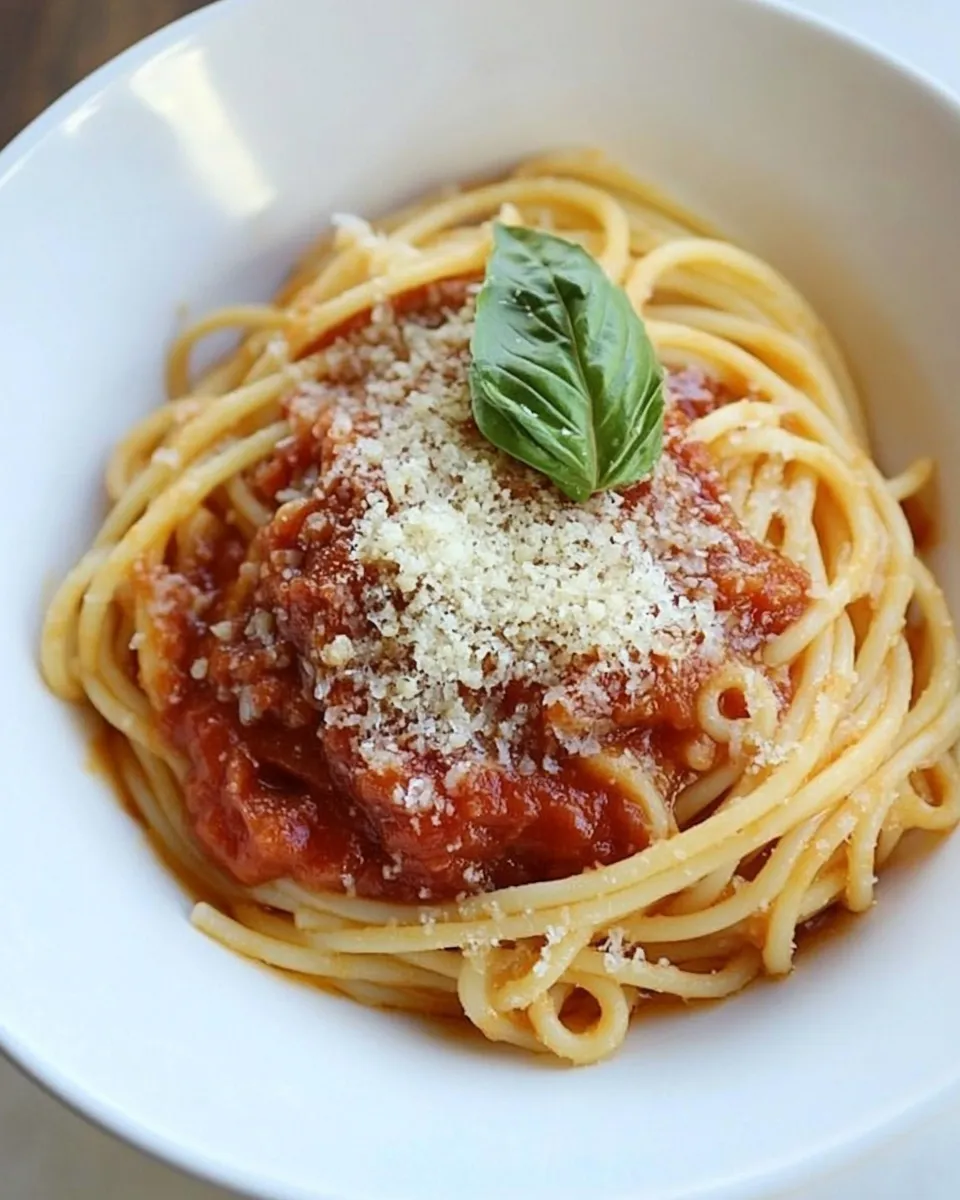
This version balances bright tomato acidity with a hint of sweetness and the gentle earthiness of vegetables. Grated carrot melts into the base and naturally offsets tomato sharpness, while zucchini and green pepper add texture and body. A bay leaf, dried basil, and oregano give the sauce a rounded, herbaceous backbone. Using tomato paste boosts the savory depth, and V8 juice thins and enriches the tomato flavor so you don’t need stock or meat to get an umami boost.
Ingredients
- 2 tablespoons olive oil
- 1 small onion, diced
- 2 cloves garlic, minced
- 1/2 cup carrot, grated
- 1 small zucchini, diced
- 1/4 green pepper, diced
- 14.5 oz. diced tomatoes, 1 can
- 1 can tomato paste
- 2 cups V8 juice (I used low sodium)
- 1 tablespoon dried basil
- 1 teaspoon dried oregano
- 1 large bay leaf
- 1 1/2 tablespoons sugar
- Salt & pepper to taste
Make Ahead and Storage
This Vegetarian Spaghetti Sauce is an excellent candidate for meal prep. Allow the sauce to cool, then transfer it to airtight containers. It will keep in the refrigerator for 4–5 days. For longer storage, freeze in portions for up to 3 months. Thaw overnight in the refrigerator and reheat gently on the stove.
Equipment
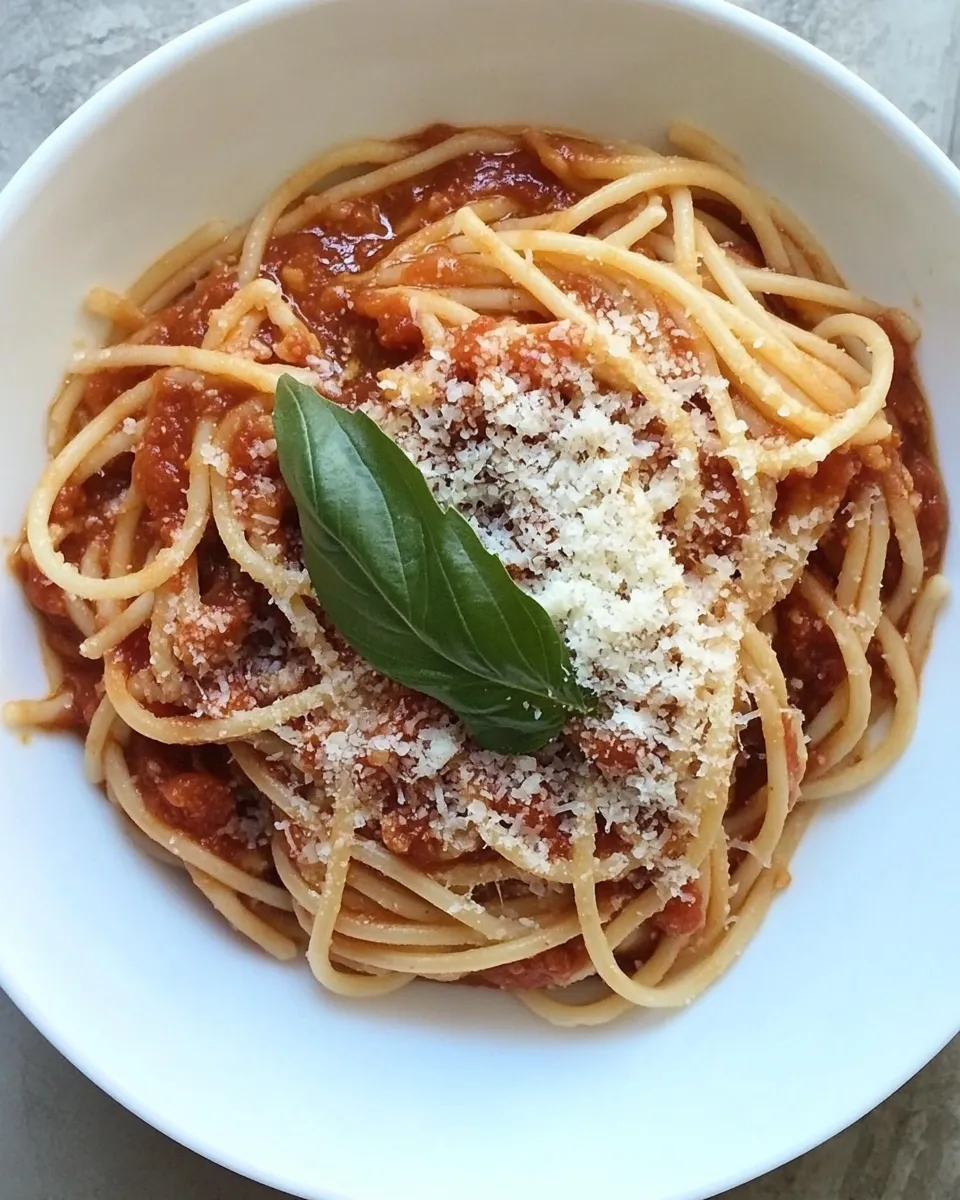
- Large skillet or medium saucepan with lid
- Wooden spoon or spatula
- Box grater (for the carrot)
- Cutting board and knife
- Measuring cups and spoons
Step-by-step Instructions
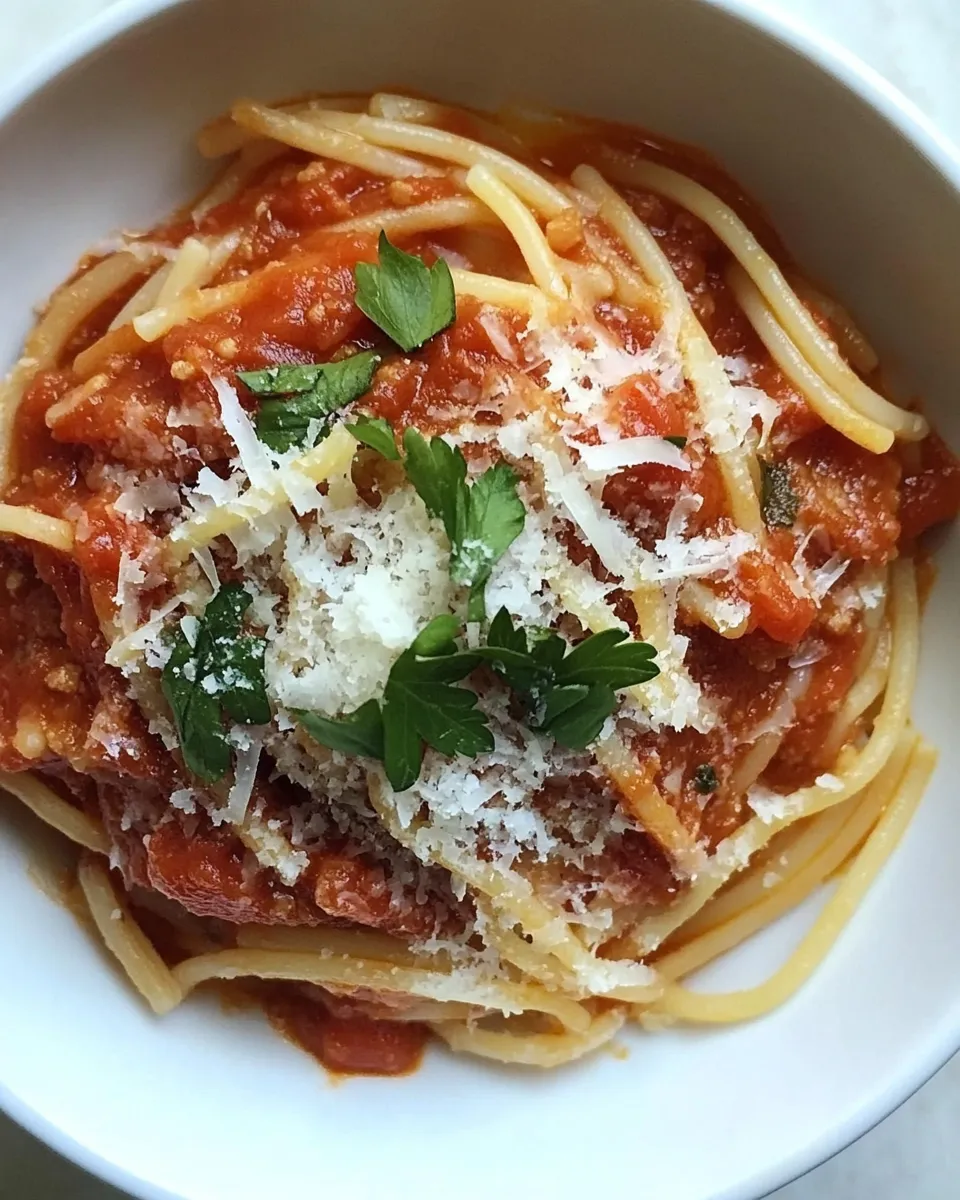
Follow these clear steps to make a vibrant, saucy base that clings beautifully to any pasta shape. The recipe instructions are written to match the ingredient list exactly and keep the cooking order logical and easy to follow.
- Heat 2 tablespoons olive oil in a large skillet or medium saucepan over medium heat until shimmering.
- Add 1 small onion, diced. Cook, stirring occasionally, until the onion softens and becomes translucent, about 4–6 minutes. Be careful not to let it brown too quickly; lower the heat if needed.
- Add 2 cloves garlic, minced. Cook and stir for 30–60 seconds until fragrant. Watch closely so the garlic does not burn.
- Stir in 1/2 cup carrot, grated. Cook for 2–3 minutes, stirring, until the grated carrot begins to soften and meld with the onion and garlic.
- Add 1 small zucchini, diced, and 1/4 green pepper, diced. Cook for another 3–5 minutes, stirring occasionally, until the vegetables are slightly tender but still hold some texture.
- Pour in the 14.5 oz. can of diced tomatoes, including their juices. Stir to combine, breaking up any large tomato pieces with the back of your spoon if desired.
- Add 1 can tomato paste. Stir thoroughly so the paste distributes evenly through the tomato mixture; this deepens the sauce’s color and flavor.
- Pour in 2 cups V8 juice (low sodium recommended). Stir well to thin and incorporate the tomato paste into a smooth sauce base.
- Sprinkle in 1 tablespoon dried basil and 1 teaspoon dried oregano. Add 1 large bay leaf to the pot.
- Stir in 1 1/2 tablespoons sugar to round out acidity. Taste and season with salt and pepper to your preference. Start with a small pinch of salt and a few grinds of black pepper, then adjust after the sauce simmers.
- Bring the sauce to a gentle simmer over medium-low heat. Once it simmers, reduce the heat to low and cover partially with a lid. Let the sauce simmer gently for 20–30 minutes, stirring occasionally to prevent sticking and to help the flavors marry.
- Remove the bay leaf. Taste and correct the seasoning, adding more salt, pepper, or a pinch more sugar if needed. If you prefer a smoother texture, use an immersion blender briefly or carefully transfer some of the sauce to a blender and pulse until you reach the desired consistency; otherwise, leave it chunky.
- Serve the sauce hot over cooked pasta, polenta, or use it in your favorite baked pasta recipe. Garnish with fresh basil or a drizzle of olive oil if desired.
Tips for Success
- If you prefer a thicker sauce, simmer uncovered for an additional 10–15 minutes to reduce and concentrate flavors.
- For a deeper, roasted tomato flavor, roast halved tomatoes at 425°F for 20–25 minutes and use them in place of the canned diced tomatoes; keep the same quantity by weight equivalent to the can.
- Adjust the sugar to suit your taste and the acidity of your tomatoes. Some canned tomatoes are tangier and may need a touch more sugar to balance.
- To make this sauce heartier, stir in cooked lentils or white beans toward the end of cooking for added protein and body without changing the ingredient list amounts.
- Leftover sauce makes an excellent base for shakshuka-style eggs or as a topping for roasted vegetables or grain bowls.
Serving Ideas
This Vegetarian Spaghetti Sauce is wonderfully adaptable:
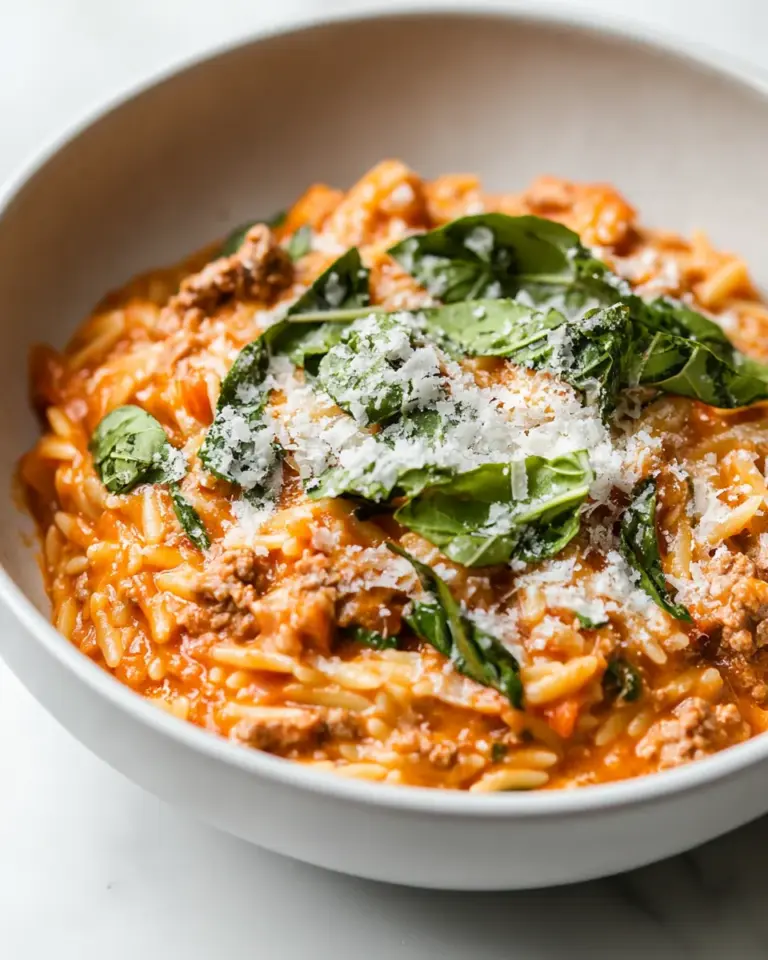
- Toss with al dente spaghetti, finish with a drizzle of olive oil and a handful of chopped fresh herbs.
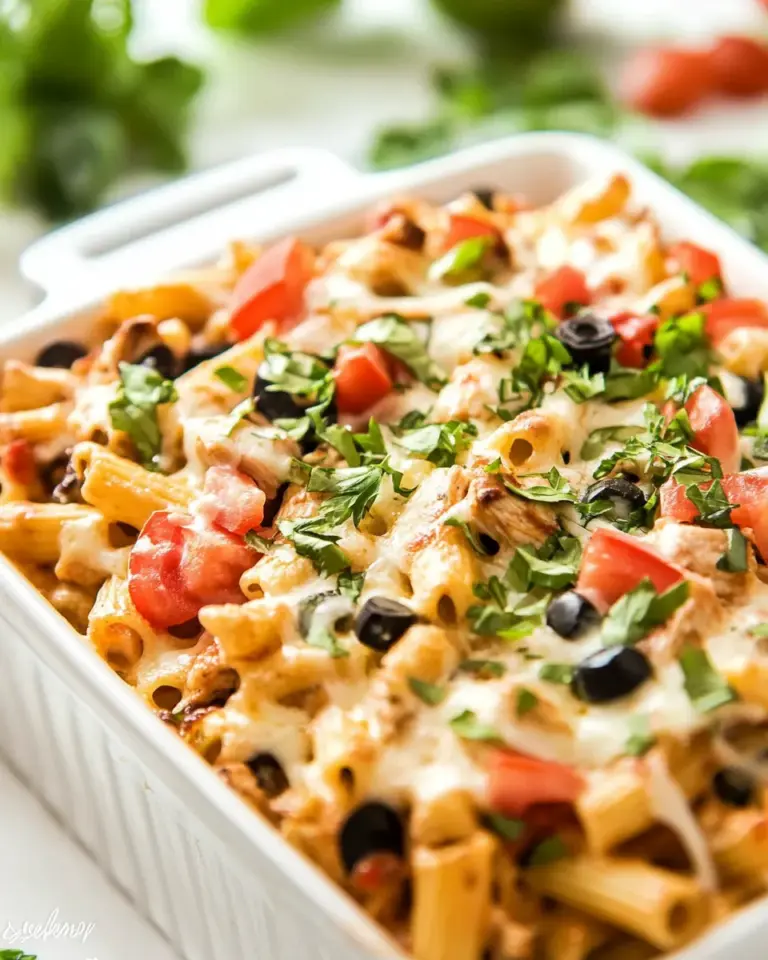
- Mix with cooked penne, sprinkle with breadcrumbs, and bake until bubbly for an easy pasta bake.
- Layer into lasagna with ricotta and spinach for a vegetable-forward casserole.
- Use as a dipping sauce for polenta fries, or spoon over grilled eggplant for a simple main course.
Flavor Variations
- Add a pinch of crushed red pepper flakes with the dried herbs for a subtle heat that matches well with the sweetness.
- Stir in a splash of balsamic vinegar at the end of cooking for a tangy-sweet lift.
- Mix in fresh chopped basil at the end for a bright, fresh finish that complements the dried herbs added during simmering.
Nutrition Notes
This sauce leans on vegetables and canned tomatoes as its foundation, making it naturally low in saturated fat and a good source of vitamins from the carrot and zucchini. Using low-sodium V8 juice helps control the salt content, and the sugar amount is modest—there only to balance acidity. Pair with whole-grain pasta or a side salad to round out the meal.
Common Questions
Can I make this in a slow cooker? Yes. Follow steps 1–5 on the stovetop to soften the onion, garlic, and vegetables, then transfer everything to a slow cooker. Add the tomatoes, tomato paste, V8 juice, herbs, bay leaf, and sugar, then cook on low for 4–6 hours.
Can I omit the sugar? You can reduce or omit the sugar if your canned tomatoes are naturally sweeter or if you prefer a tarter sauce. Taste and adjust at the end of cooking.
Can I double the recipe? Absolutely. Use a larger pot and keep the same cooking time, allowing a bit more stirring and occasionally adjusting simmering time to reach your preferred thickness.
Final Notes
This Vegetarian Spaghetti Sauce is an accessible everyday recipe that rewards small, intentional steps: sweating aromatics, adding layered tomato components, and taking time to simmer. It’s forgiving, adaptable, and anchored by simple pantry staples. Whether you’re feeding a crowd or plate up a weeknight dinner, it’s a dependable sauce that celebrates vegetables and classic Italian flavors in a cozy, delicious way.
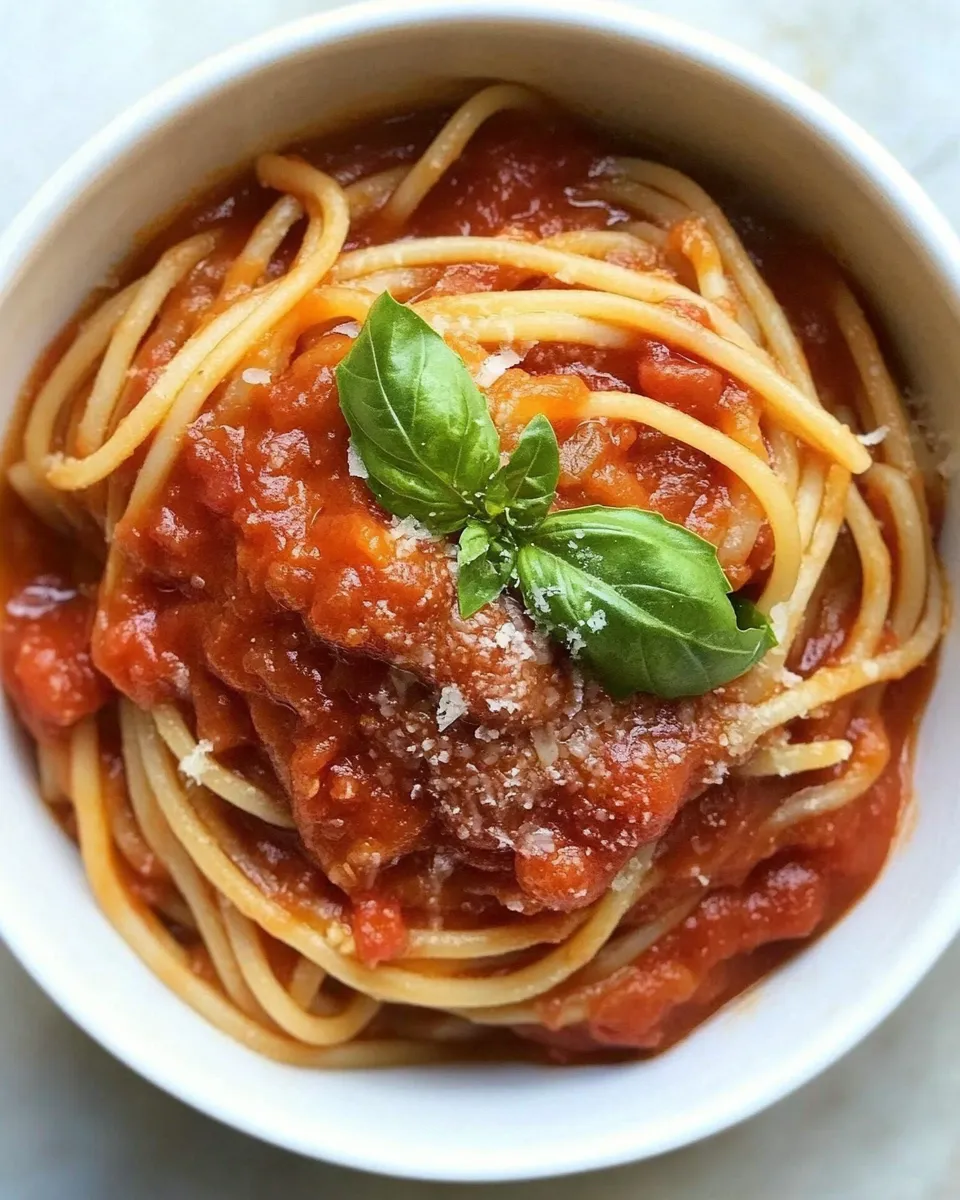
Vegetarian Spaghetti Sauce
Ingredients
Equipment
Method
- Heat 2 tablespoons olive oil in a large nonstick skillet over medium heat.
- Add the diced onion and sauté for about 2 minutes until beginning to soften.
- Add diced zucchini, grated carrot, and diced green pepper and continue to sauté for 5–7 minutes until vegetables are tender.
- Stir in the minced garlic and cook about 1 minute until fragrant.
- Mix the tomato paste into the vegetables until evenly coated.
- Add the diced tomatoes (14.5 oz can), tomato paste (if not already added separately), 2 cups V8 juice, dried basil, dried oregano, bay leaf, and 1 1/2 tablespoons sugar; stir to combine.
- Bring the sauce to a boil, then reduce the heat to a simmer.
- Cover and simmer for about 30 minutes, stirring occasionally; add a little water if you prefer a thinner sauce.
- Season with salt and pepper to taste, remove and discard the bay leaf, and serve over hot spaghetti with parmesan if desired.
Notes
- Use low-sodium V8 to control salt level.
- Simmer longer for a thicker, more developed flavor.
- Adjust sugar to balance acidity if needed.