Asian Spaghetti with Garlic and Vegetables
This is a bright, comforting weeknight meal that comes together fast and tastes like you spent much more time on it than you actually did. Asian Spaghetti with Garlic and Vegetables balances tender spaghetti, crisp-tender snow peas, earthy cremini mushrooms, and sweet carrots with a garlicky, savory tamari sauce. It’s also flexible: use gluten-free spaghetti if you prefer, add a splash of toasted sesame oil for depth, or finish with sesame seeds and mung bean sprouts for crunch. The ingredient list is simple, the technique is straightforward, and the results are satisfying every time.
Why you’ll love this recipe
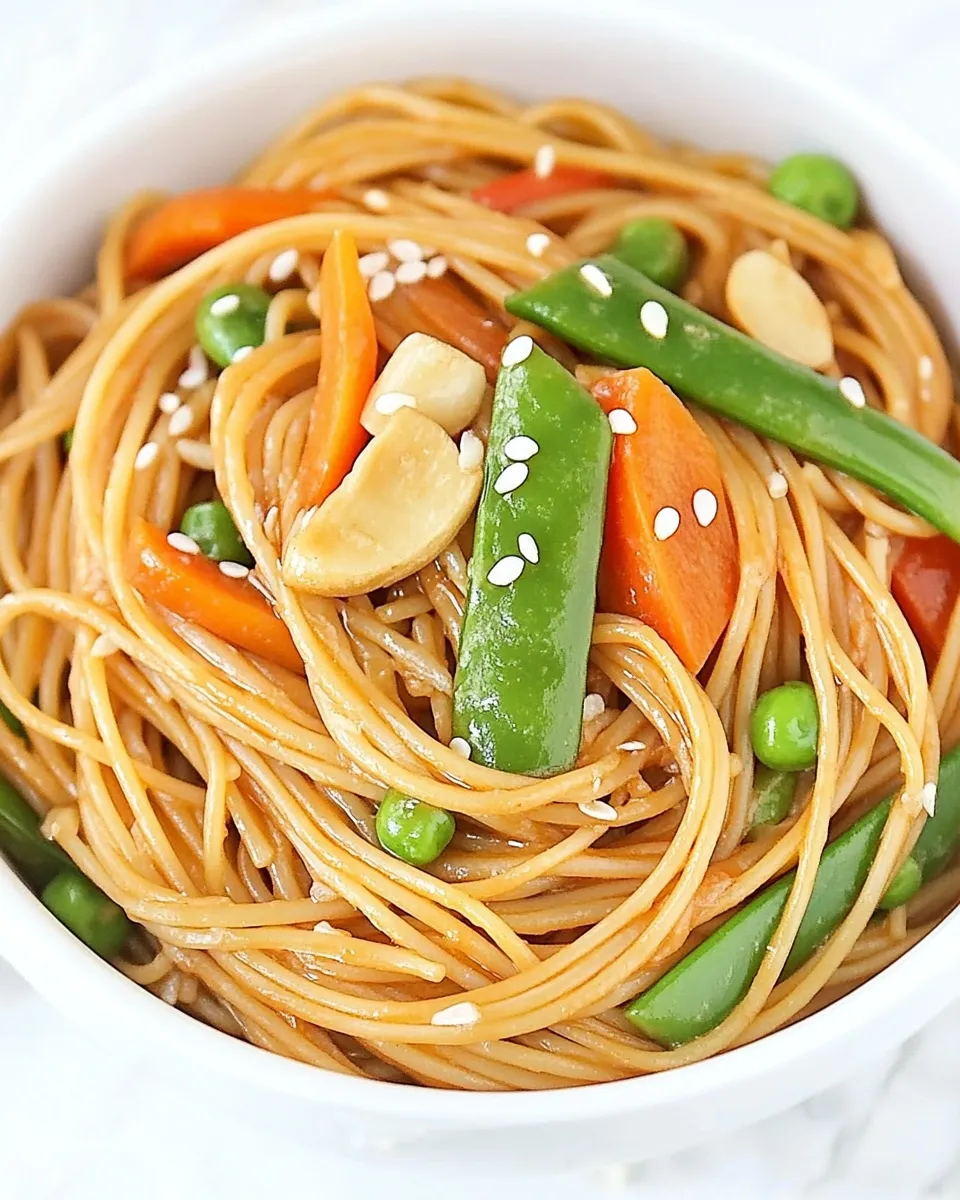
Asian Spaghetti with Garlic and Vegetables is a one-skillet dinner that feels bright and fresh while still offering the comfort of a noodle bowl. It’s quick to make, customizable, and uses pantry-friendly ingredients. The garlic-forward sauce is bold without being heavy, and the mix of mushrooms, snow peas, carrots, and green onions gives you great texture and color in every bite.
Ingredients
- 8 oz. spaghetti (gluten-free if desired)
- 8 oz. mushrooms (I use cremini)
- 5 oz. snow peas (about 1.5 cups)
- 2 medium carrots
- 6 green onions
- 3–4 cloves garlic
- 1/4 cup tamari (or less)
- Optional: 1/2 tsp. freshly grated ginger
- Optional: 2 tsp. toasted sesame oil
- Optional toppings: sesame seeds, mung bean sprouts
Equipment
- Large pot for boiling pasta
- Large skillet or sauté pan
- Colander
- Cutting board and sharp knife
- Tongs or pasta fork
Prep at a glance
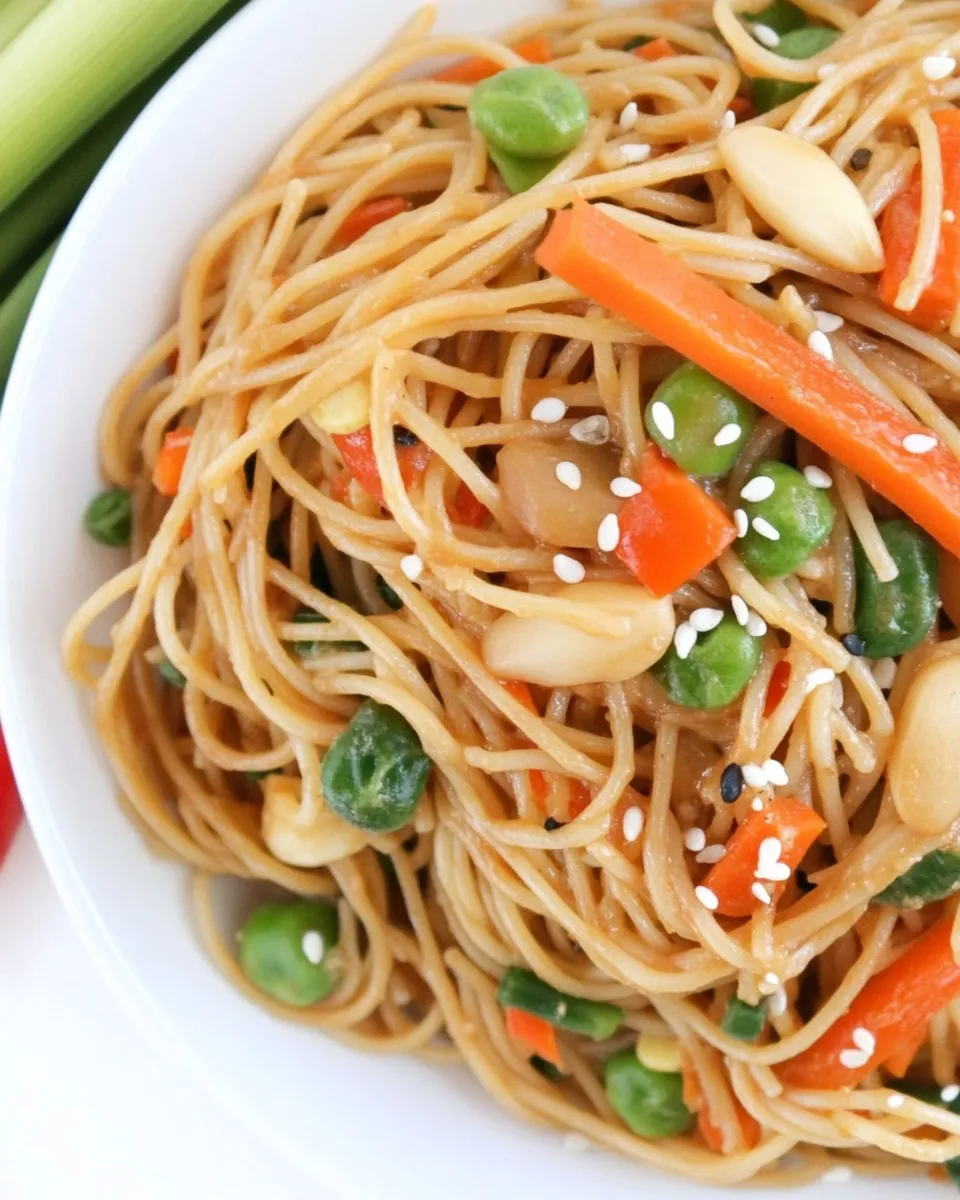
Before you heat your pan, bring a large pot of salted water to a boil for the spaghetti. While the water comes to a boil, slice the mushrooms, trim and slice the snow peas if needed, peel and matchstick the carrots, thinly slice the green onions (white and green parts separately), and mince the garlic. If you’re using ginger, grate it now so it’s ready to go.
Flavor notes and swaps
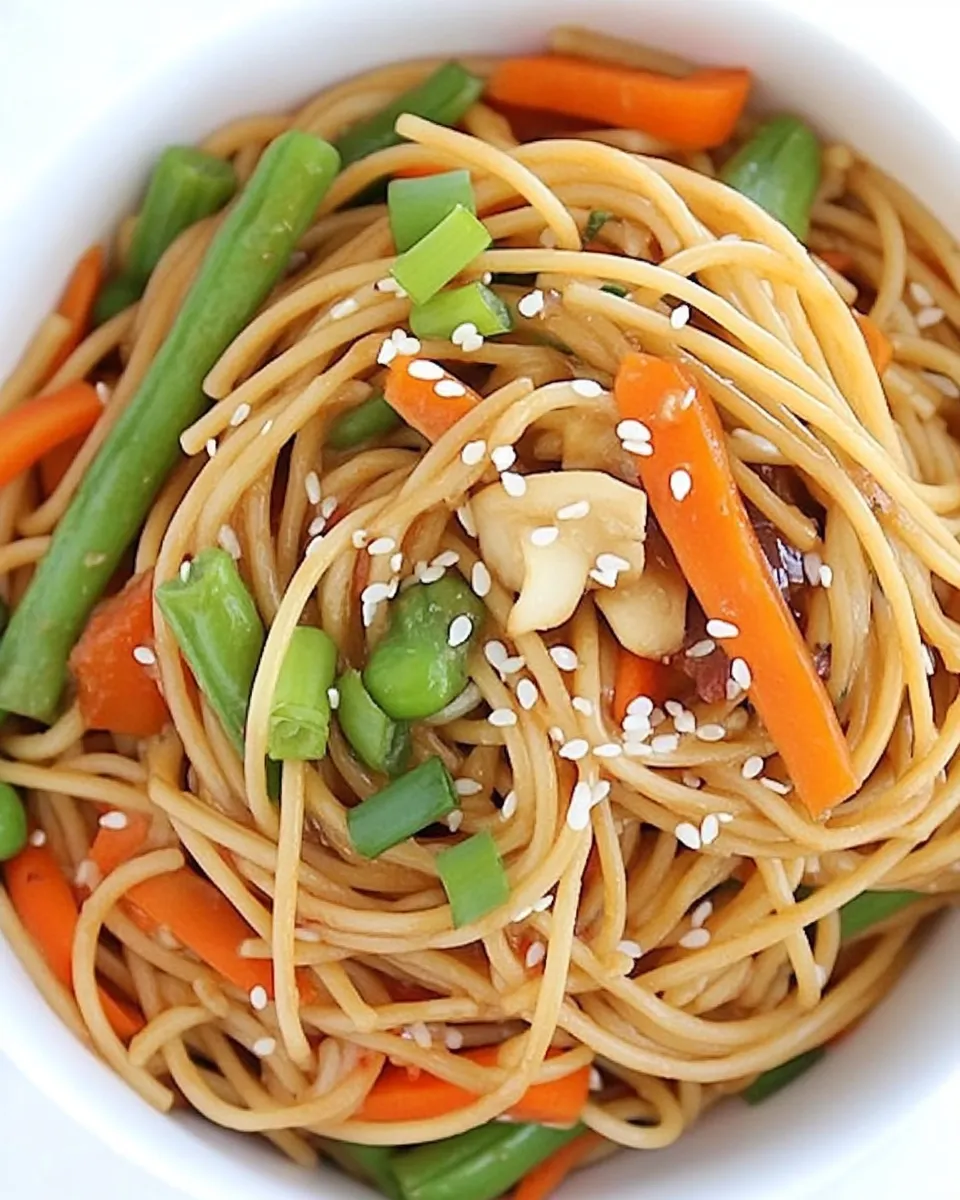
If you like a slightly sweeter glaze, stir a teaspoon of honey or maple syrup into the tamari. For heat, add a pinch of red pepper flakes or a drizzle of chili oil. If you prefer a nuttier finish, stir in the 2 teaspoons of toasted sesame oil at the end. For a protein boost, toss thinly sliced tofu or cooked seafood into the pan in the final minute of cooking.
Step-by-step instructions
The directions below have been rewritten to be crystal clear and easy to follow while keeping the original ingredient amounts and order intact.
- Boil the pasta. Fill a large pot with water, add a generous pinch of salt, and bring it to a rolling boil. Add 8 oz. spaghetti and cook until al dente according to package instructions. Reserve 1/2 cup of the pasta cooking water, then drain the spaghetti in a colander.
- Prepare the vegetables while the pasta cooks. Slice 8 oz. mushrooms (cremini) into even pieces. Trim the ends from 5 oz. snow peas and slice any large ones in half on the bias to match bite size. Peel and cut 2 medium carrots into thin matchsticks so they cook quickly. Trim and thinly slice 6 green onions, separating the white parts from the green tops (these will be used at different times). Mince 3–4 cloves garlic. If using, grate 1/2 tsp. fresh ginger.
- Heat the pan and start the aromatics. Place a large skillet over medium heat. If you like, add a little neutral oil (about 1–2 teaspoons) to coat the pan. Add the minced garlic and, if using, the grated ginger. Sauté for 30–45 seconds, stirring constantly, until fragrant but not browned.
- Sauté the mushrooms next. Add the sliced cremini mushrooms to the skillet. Cook, stirring occasionally, until the mushrooms release their moisture and begin to brown at the edges—about 4–5 minutes. Season lightly with a pinch of salt to help draw out the liquid.
- Add the carrots and snow peas. Stir in the carrot matchsticks and the snow peas. Cook for 2–3 minutes, tossing frequently, until the vegetables are crisp-tender. You want them cooked through but still bright and slightly firm.
- Combine the pasta and taste-base. Add the drained spaghetti directly to the skillet with the vegetables. Pour 1/4 cup tamari over the noodles and vegetables. Toss everything together using tongs so the sauce coats the pasta evenly. If the mixture seems dry, add a splash of the reserved pasta cooking water (start with 1–2 tablespoons and add more as needed) to loosen the sauce.
- Finish with green onions and optional oil. Stir in the sliced white parts of the green onions and cook for another 30–60 seconds to soften slightly. Turn off the heat and fold in the green tops of the green onions for freshness. If using toasted sesame oil, drizzle the 2 teaspoons over the pasta now and toss to combine.
- Adjust seasoning and serve. Taste and adjust: add a little more tamari if you want it saltier, or a squeeze of fresh lemon juice if you want brightness. Sprinkle sesame seeds and mung bean sprouts on top for extra texture, if desired. Serve immediately while hot.
How to serve
Serve this Asian Spaghetti with Garlic and Vegetables straight from the pan with a final garnish of sesame seeds and a handful of mung bean sprouts for crunch. It’s great with extra green onion slices, a wedge of lime for squeezing, or a side of lightly dressed cucumber salad. This recipe also pairs well with a simple miso soup or steamed edamame.
Make-ahead and storage
If you want to prepare elements in advance, slice the vegetables and store them in airtight containers in the refrigerator for up to two days. Cooked noodles are best eaten the same day, but leftovers can be refrigerated in a sealed container for up to 3 days. Reheat gently in a skillet with a splash of water or broth to loosen the sauce, or microwave with a damp paper towel over the top to keep the pasta from drying out.
Notes and troubleshooting
- If the mushrooms release a lot of liquid, let them cook a bit longer to allow the moisture to evaporate so the sauce doesn’t become watery.
- For an even silkier sauce, add an extra tablespoon of reserved pasta water and toss vigorously; the starch will help the tamari cling to the noodles.
- If you prefer more sauce, increase the tamari by a tablespoon or two, but add gradually and taste as you go so the dish doesn’t become overly salty.
- To keep the noodles from sticking while tossing, make sure the skillet is hot enough and that you toss thoroughly right after adding the pasta.
Nutrition and portioning
This recipe serves about 2–3 people as a main course, depending on appetite and sides. The vegetables contribute fiber and vitamins, while the spaghetti provides energy-sustaining carbohydrates. Using gluten-free spaghetti keeps the dish suitable for those who avoid gluten; using toasted sesame oil and sesame seeds adds a touch of healthy fats and nutty flavor.
Final thoughts
Asian Spaghetti with Garlic and Vegetables is one of those dishes that is greater than the sum of its parts. Simple pantry staples combine with fresh produce and bright aromatics to create a quick, nourishing meal. It’s perfect for busy weeknights, but pretty enough to serve to company. Keep your knife skills sharp, the pan hot, and the garlic fragrant—then enjoy a flavorful bowl that’s both easy and memorable.
Short recap
Boil 8 oz. spaghetti, reserve some pasta water, and drain. Sauté 3–4 cloves garlic (and optional 1/2 tsp. grated ginger) in a hot skillet. Add 8 oz. cremini mushrooms and cook until browned. Add 2 medium carrots (matchsticked) and 5 oz. snow peas; cook until crisp-tender. Toss in the drained pasta with 1/4 cup tamari, add reserved pasta water as needed, finish with the whites and greens of 6 green onions and optional 2 tsp. toasted sesame oil. Top with sesame seeds and mung bean sprouts if desired, and serve hot.
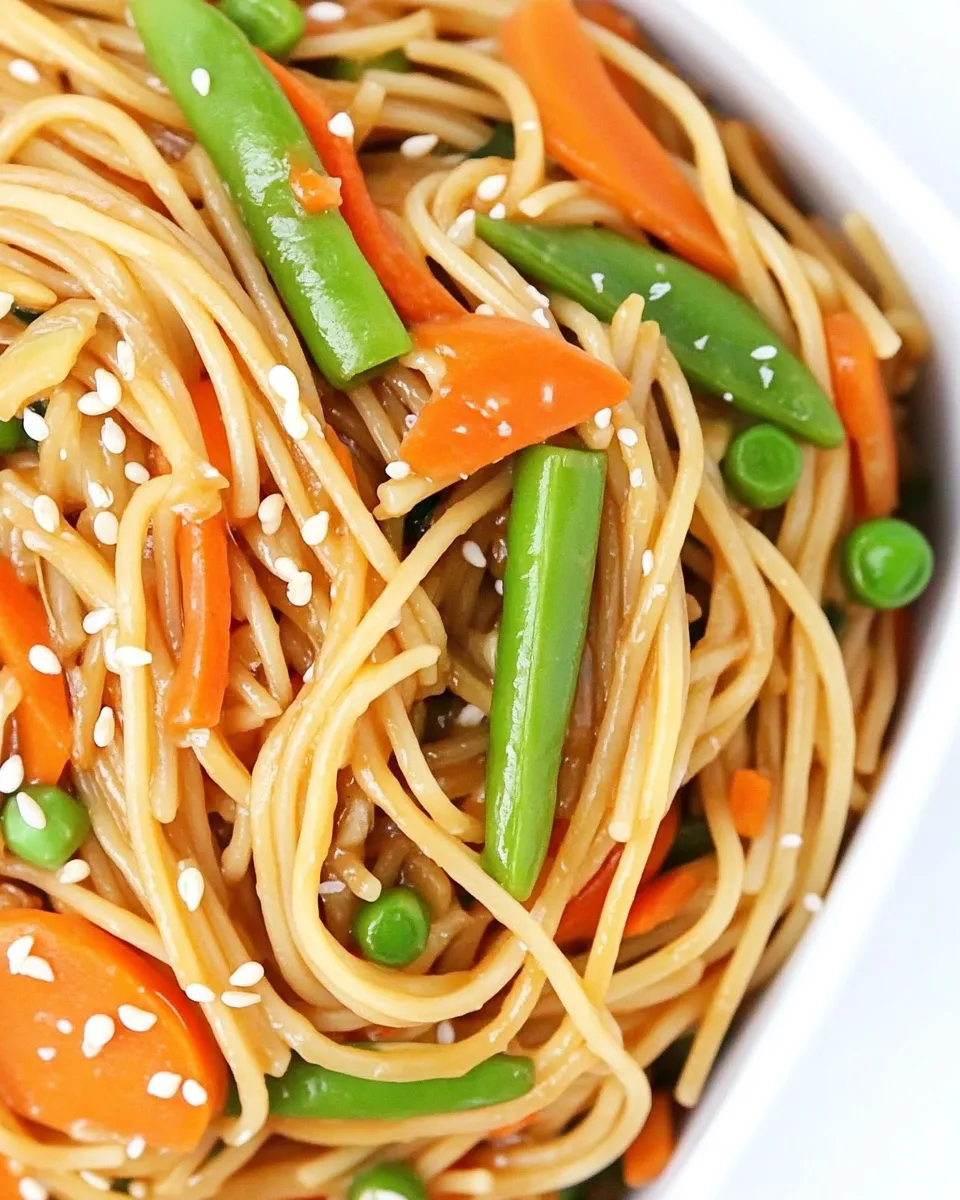
Asian Spaghetti with Garlic and Vegetables
Ingredients
Equipment
Method
- Cook the spaghetti according to package directions until al dente, drain and set aside.
- While the pasta cooks, slice the mushrooms, cut green onions into 1/2-inch pieces, and cut carrots into matchsticks or shred/dice if you prefer; mince the garlic and grate ginger if using.
- Heat a large skillet or wok over medium-high heat and add 3 tablespoons water or broth for a no-oil sauté, or 2 teaspoons toasted sesame oil for more flavor.
- Sauté the sliced mushrooms for 2–3 minutes until they begin to soften.
- Add the snow peas, carrots, and green onions to the pan and cook for about 5 minutes until the vegetables are crisp-tender.
- Reduce the heat to medium and add the minced garlic and grated ginger (if using); stir and cook for about 1 minute until fragrant.
- Add the drained spaghetti and tamari to the skillet, starting with less tamari if you prefer (2–3 Tbsp.), and toss well to combine and heat through for 2–3 minutes.
- Remove from heat, top with sesame seeds and mung bean sprouts if desired, and serve warm or chilled.
Notes
- Break long pasta in half before cooking for easier handling.
- Use gluten-free spaghetti if desired.
- For oil-free cooking, sauté vegetables with a few tablespoons of water or broth.
- Start with less tamari and add to taste to control saltiness.
- Toasted sesame oil is optional for added flavor.