Cheesy Scrambled Eggs
There’s a reason this classic breakfast keeps showing up on brunch menus and cozy weekend tables: few things are as comforting, quick, and endlessly adaptable as Cheesy Scrambled Eggs. With just four large eggs, a splash of milk, a pat of butter, and a little shredded cheddar, you can make creamy, flavorful eggs that feel both indulgent and simple. This recipe is small-batch, perfect for one or two people, and comes together in minutes. Below I’ll walk you through ingredient notes, the exact step-by-step method, and a few tips to get the texture and flavor just right every time.
Why this version works
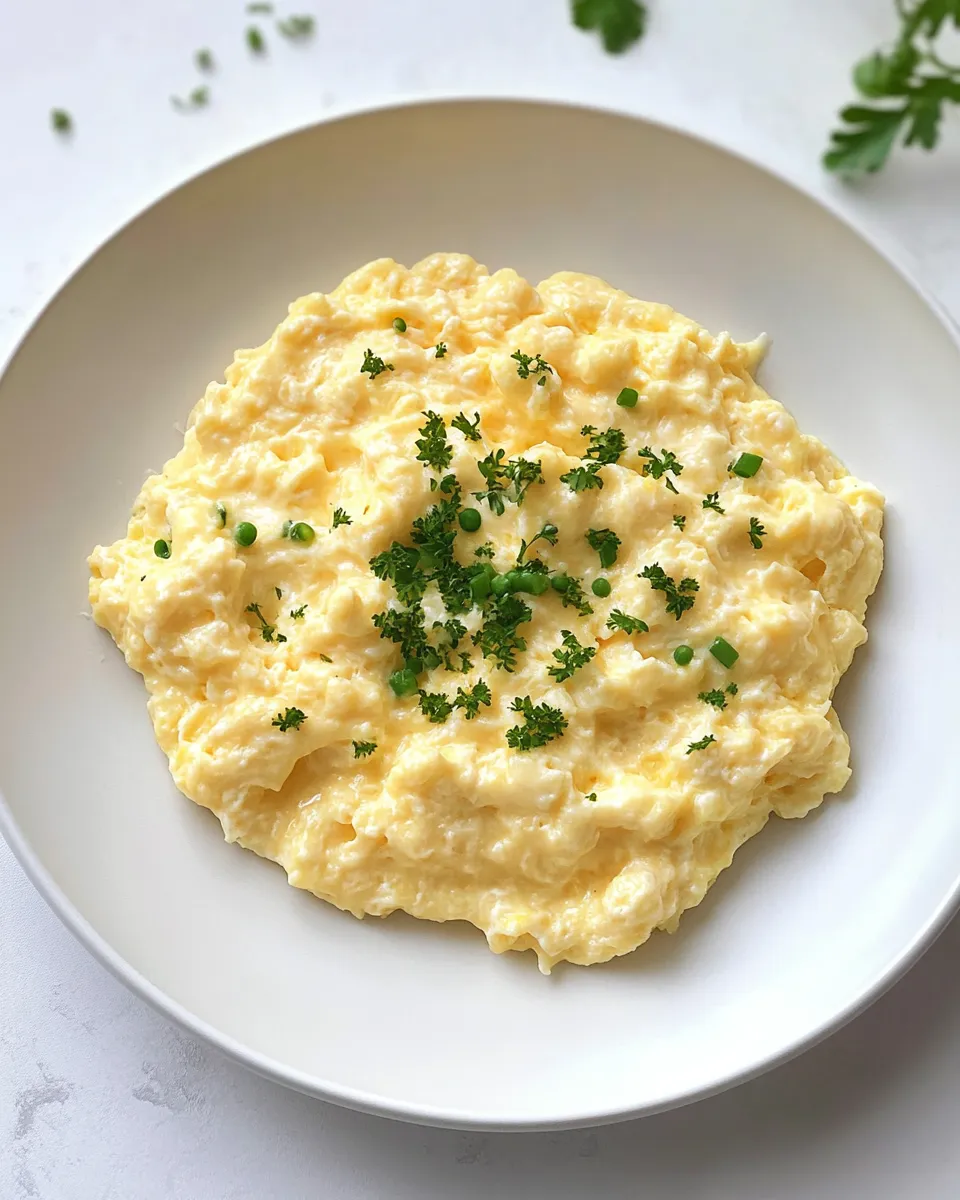
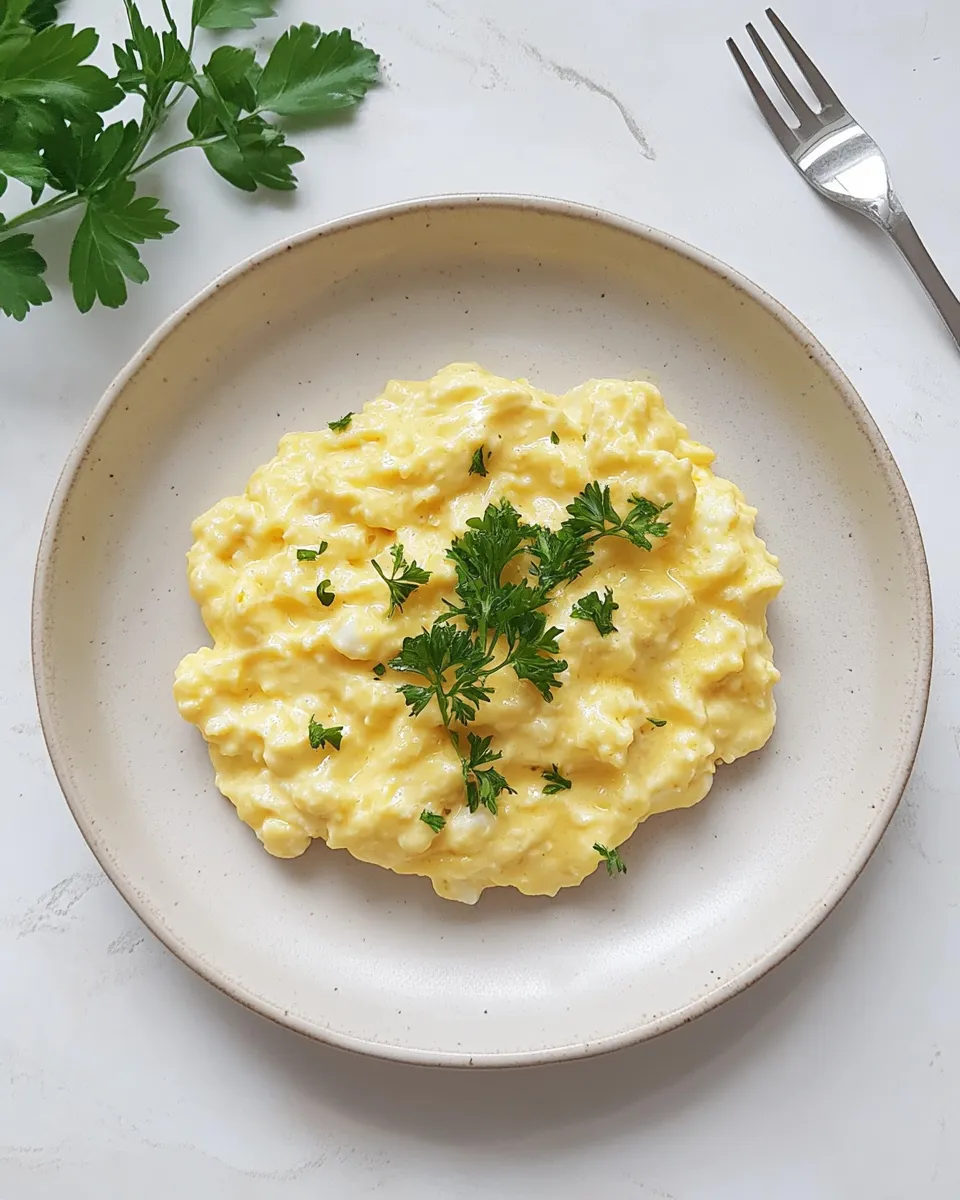
Scrambled eggs can run the gamut from rubbery and dry to soft and custardy. The trick is gentle heat, a little fat, and a touch of milk to slightly loosen the curds so they stay tender. Adding shredded cheddar brings a sharp, creamy element that melts into the eggs without overpowering them. A final sprinkle of freshly chopped parsley lifts the dish with a fresh, herbaceous finish. This approach gives you soft, well-seasoned curds that feel luxurious without being fussy.
Ingredients
- 4 large eggs
- Splash of milk
- Kosher salt to taste
- Freshly ground black pepper to taste
- 1 tablespoon unsalted butter
- 1/4 cup cheddar cheese, shredded
- Freshly chopped parsley for garnish
Equipment
- Mixing bowl
- Whisk or fork
- Nonstick skillet (8-inch works well for this quantity)
- Rubber or silicone spatula
- Measuring spoon and cup
- Plate for serving
Prep in advance (optional)
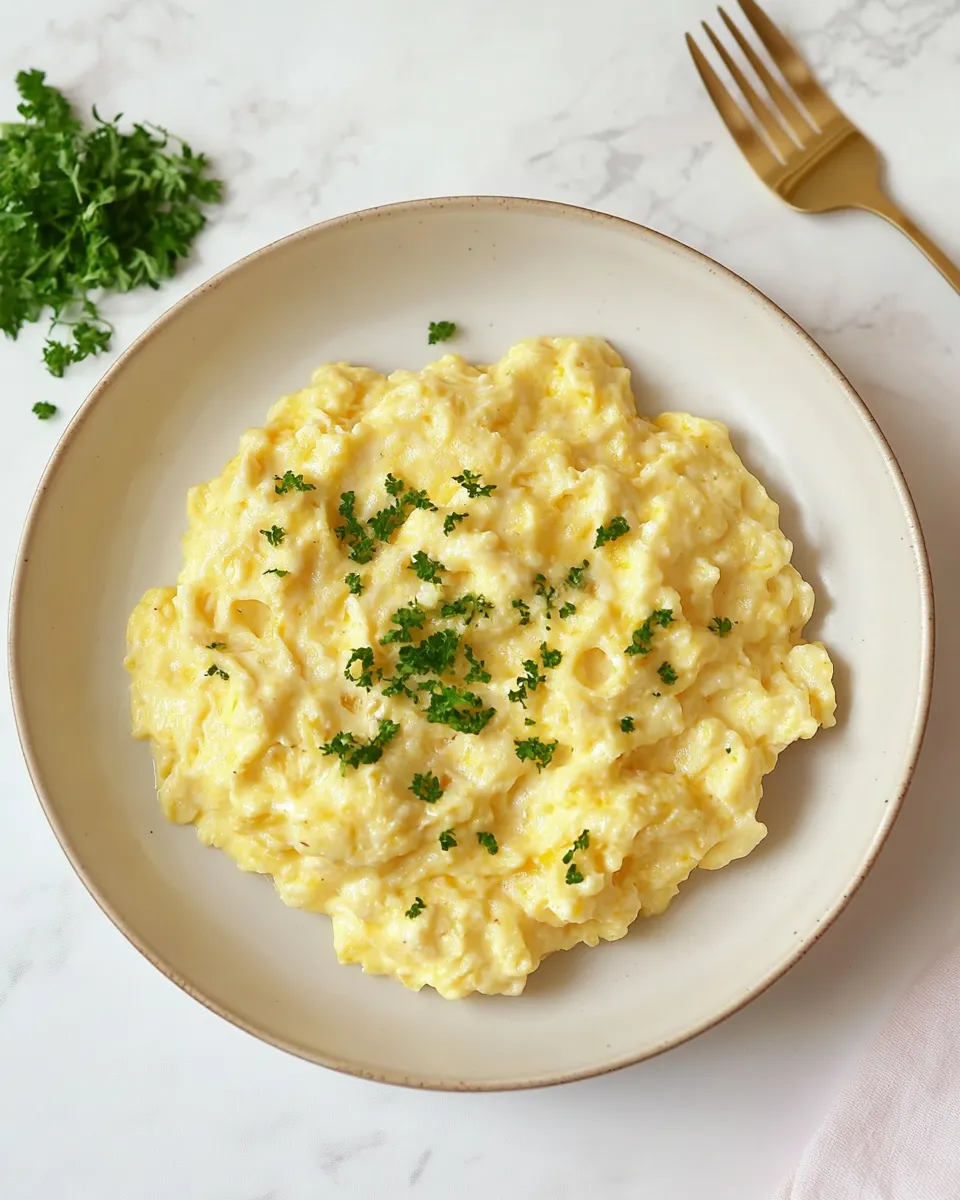
If you want to speed things up, shred the cheddar ahead of time and keep it refrigerated in an airtight container. Chop the parsley in advance and store wrapped in a damp paper towel inside a sealed container to keep it bright. Eggs are best used fresh, but you can crack them into a bowl and refrigerate briefly if you need to make them a few minutes early.
Step-by-step instructions
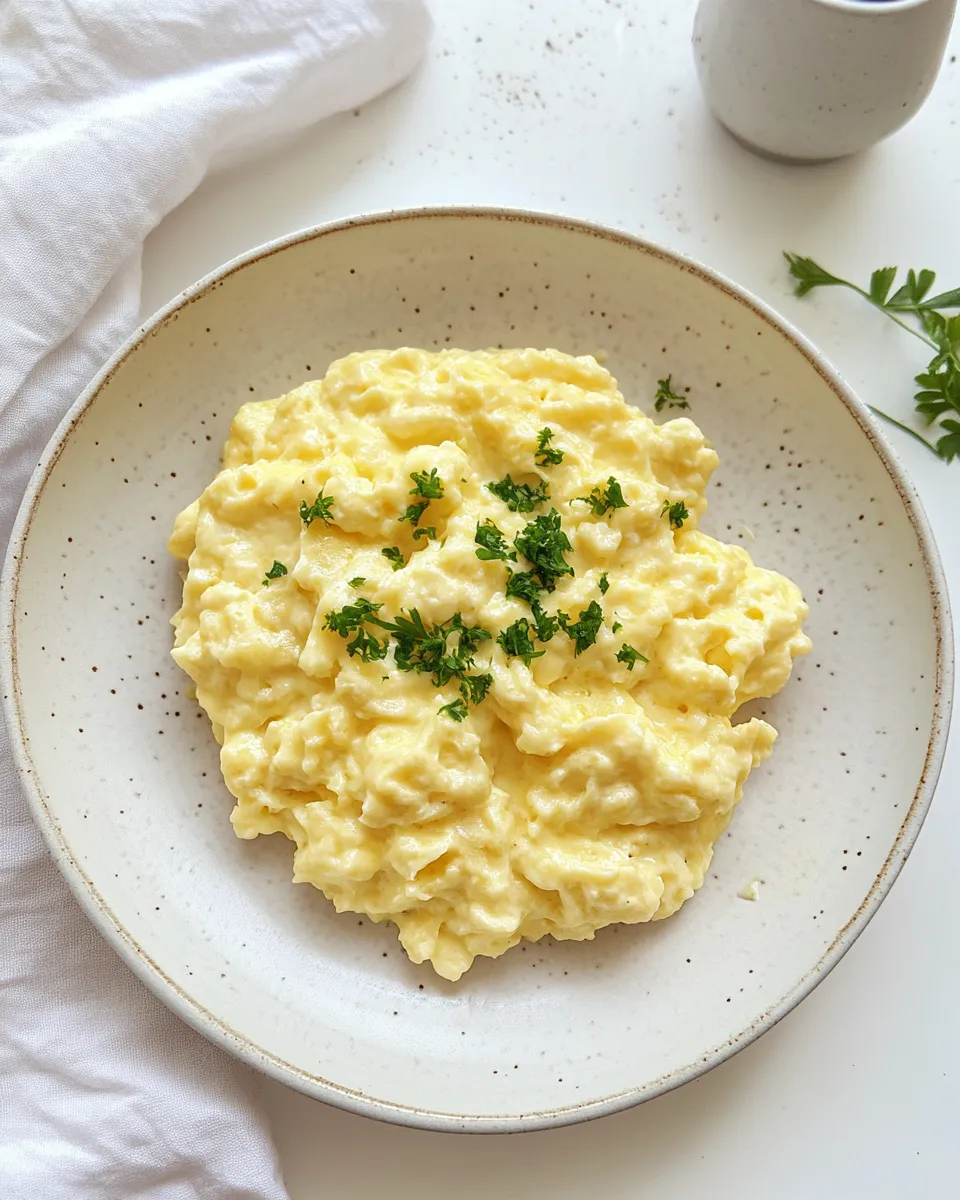
Below are clear, stepwise directions that keep the same order as the original method but are rewritten for clarity and flow. Follow each step and you’ll end up with soft, cheesy scrambled eggs every time.
- Crack and whisk the eggs. Crack 4 large eggs into a mixing bowl. Add a splash of milk—about a tablespoon or two—to help loosen the eggs and encourage a tender texture. Season with kosher salt and freshly ground black pepper to taste. Using a whisk or fork, beat the eggs until the yolks and whites are fully combined and the mixture is slightly frothy. A consistent, homogenous mixture yields more uniform curds.
- Heat the pan and melt the butter. Place an 8-inch nonstick skillet over medium-low heat. Add 1 tablespoon unsalted butter and allow it to melt gently. Watch carefully so the butter foams but does not brown; you want a warm, silky cooking surface rather than high heat. Reducing the heat slightly before adding the eggs prevents overcooking.
- Pour in the eggs and begin to set. Pour the whisked eggs into the warmed skillet. Let them sit, undisturbed, for about 10–15 seconds so the edges begin to set. This short pause gives the eggs a place to form initial curds rather than turning into a thin film across the pan.
- Gently push and fold the eggs. Using a rubber or silicone spatula, gently push the eggs from the edges toward the center. Continue this slow pushing and folding motion around the pan to form soft curds. Keep the heat low—medium-low to low—to maintain a creamy texture. Avoid rapid stirring or high heat, which creates small, tight curds and a firmer texture.
- Incorporate the cheddar. When the eggs are mostly set but still slightly runny, sprinkle 1/4 cup shredded cheddar cheese evenly over the surface. Continue to fold the eggs so the cheese melts into the curds. The residual heat will melt the cheese quickly, creating pockets of melty cheddar throughout the scramble. If you prefer a more even distribution of cheese, fold gently until the cheese is fully incorporated.
- Finish cooking off the heat. Remove the skillet from the heat when the eggs are mostly cooked but still a touch glossy—carryover heat will finish them. Overcooking in the pan will dry them out. Give the eggs a final few gentle folds to merge any remaining runny bits with the fully set curds.
- Season and garnish, then serve immediately. Taste and adjust seasoning with additional kosher salt and freshly ground black pepper if needed. Transfer the eggs to a warmed plate and sprinkle with freshly chopped parsley for color and brightness. Serve right away for the best texture; scrambled eggs cool and firm up quickly, so they’re at their peak immediately after cooking.
Tips for perfect texture
- Use low, gentle heat. High heat shrinks and tightens the proteins, producing dry eggs.
- Take the eggs off the heat a little early. They’ll continue to cook from residual heat and finish glossy and soft.
- Whisk thoroughly. Fully beaten eggs give you smooth, even curds rather than streaks of white and yellow.
- Butter helps both flavor and texture. Unsalted butter prevents excess salt and gives you more control over seasoning.
- Experiment with cheese ratios. The 1/4 cup cheddar in this recipe melts into the eggs without dominating, but feel free to adjust slightly for more cheesiness.
Serving suggestions
These Cheesy Scrambled Eggs are incredibly versatile. Here are a few easy serving ideas:
- Slide the eggs into warm tortillas with avocado and salsa for a quick breakfast taco.
- Top toasted sourdough or a buttered English muffin for a satisfying sandwich.
- Serve alongside roasted tomatoes and sautéed greens for a balanced plate.
- Scatter with extra chopped herbs—chives or dill work well—if you want a different fresh note.
Flavor variations
If you enjoy tweaking recipes, try one of these simple variations while keeping the base proportions:
- Spicy: Add a pinch of smoked paprika and a few dashes of hot sauce to the beaten eggs before cooking.
- Herby: Stir in a tablespoon of chopped tarragon or chives with the parsley for a more pronounced herbal profile.
- Veg-forward: Fold in a quarter cup of quickly sautéed spinach or finely diced bell pepper just before adding the cheese.
- Different cheese: Swap cheddar for grated Gruyère or a mild Monterey Jack if you want a different melting characteristic.
Make it ahead
Scrambled eggs are best fresh, but if you must make them ahead, cook them until slightly less done than you’d normally serve, cool to room temperature, and store in an airtight container in the refrigerator for up to 24 hours. Reheat gently in a low skillet with a small pat of butter, stirring slowly to restore creaminess. Note that reheated eggs will be slightly firmer than freshly cooked ones.
Why I love this recipe
This version of Cheesy Scrambled Eggs nails the sweet spot between comfort and technique. It’s fast enough for a busy morning, flexible enough for fancier brunches, and forgiving for cooks of all levels. The straightforward ingredient list and the focus on temperature and timing mean you can repeat the recipe reliably, and each time you’ll get soft curds and pockets of melted cheddar that make the plate feel a little celebratory.
Nutrition snapshot
A general estimate for the full recipe: four large eggs provide a solid protein boost, the butter adds richness, and a quarter cup of cheddar contributes both fat and calcium. If you’re watching sodium, keep an eye on how much kosher salt you add and choose a lower-sodium cheese if desired.
Common questions
Can I use whole milk, skim milk, or cream? Yes. A splash of any milk will work—whole milk or a light cream will give a slightly richer texture. Skim milk thins the eggs a little more but still helps produce tender curds.
What if I only have salted butter? Salted butter is fine; just reduce the added kosher salt to taste so the eggs aren’t over-salted.
Can I double the recipe? Yes, but use a larger skillet so the eggs have room to form gentle curds and cook more evenly.
Final notes
Once you get the rhythm—whisk, low heat, gentle folding, add cheese, finish off the heat—you’ll have a reliable method for making dreamy Cheesy Scrambled Eggs anytime. They’re the kind of dish that proves a few high-quality ingredients and a little technique can transform simple eggs into something special. Serve them hot, garnish with parsley, and enjoy the warm, melty comfort with every forkful.
Happy cooking! May your mornings be delicious and your eggs always come out tender and perfectly cheesy.
Cheesy Scrambled Eggs
Ingredients
Equipment
Method
- Crack the eggs into a medium bowl, add a splash of milk, a pinch of kosher salt and freshly ground black pepper, then whisk until combined.
- Heat the unsalted butter in a nonstick skillet over medium-low heat until melted and slightly foamy.
- Pour the egg mixture into the skillet and stir gently and continuously with a spatula, cooking over medium-low heat for about 2–3 minutes until soft curds form.
- Sprinkle the shredded cheddar over the eggs, continue stirring for about 1 minute until the cheese melts and the eggs are fluffy, then remove the pan from the heat.
- Transfer the scrambled eggs to a plate, top with the chopped parsley, and serve warm.
Notes
- Use medium-low heat to avoid overcooking the eggs.
- Whisk eggs just until blended for tender curds.
- Adjust salt and pepper to taste.
- Serve immediately for best texture.