Dominican Spaghetti (Espaguetis)
There’s something undeniably comforting about a big, steaming plate of Dominican Spaghetti (Espaguetis). It’s not the same as the Italian classic—this version sings with bold, bright flavors: sautéed onions and peppers, briny olives and capers, juicy plum tomatoes, and slices of savory Dominican-style salami. The result is a family-friendly one-pan sauce tossed with tender strands of spaghetti. This recipe is built for weeknights, potlucks, or any time you want pasta with personality.
Why you’ll love this version
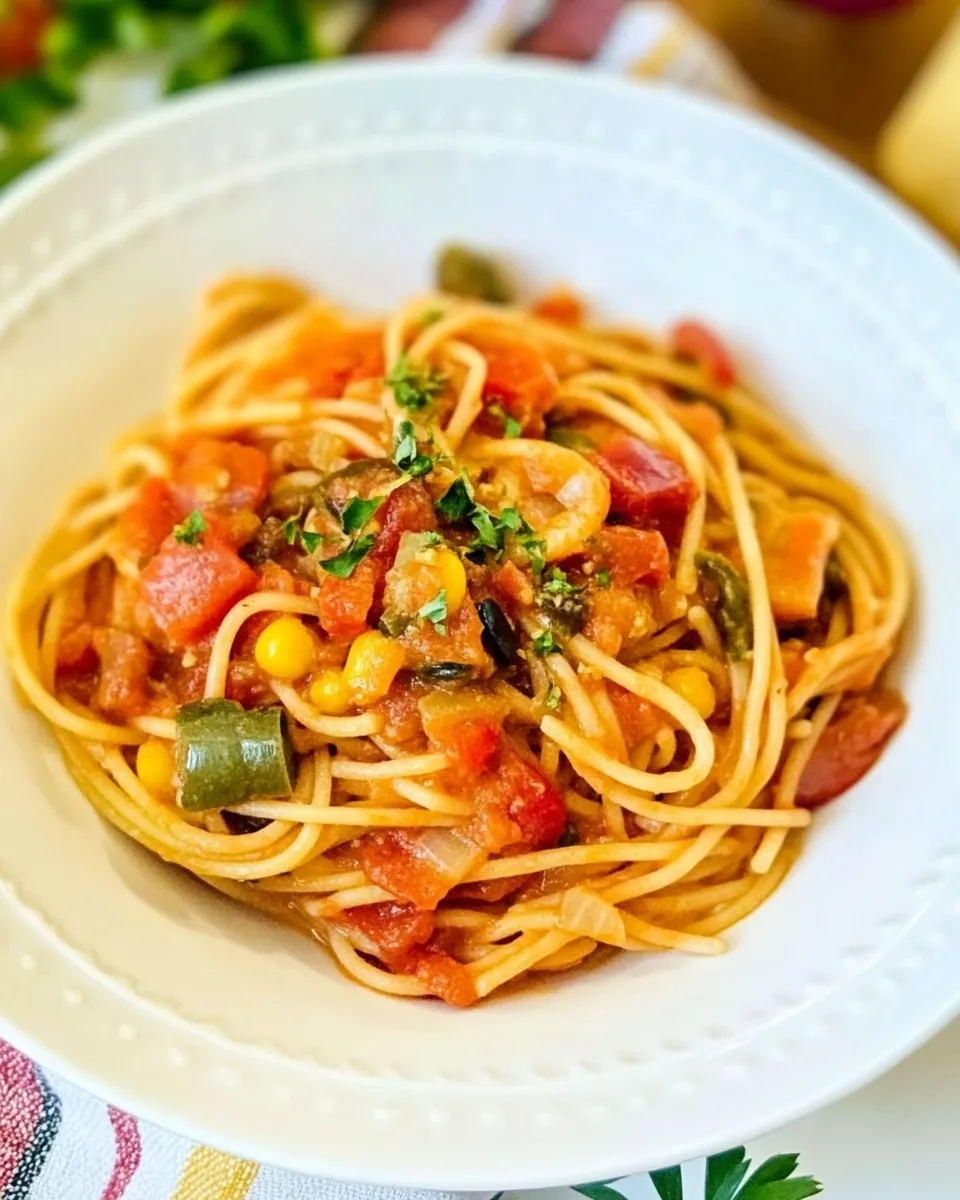
- Vibrant, savory sauce: Tomatoes, peppers, olives, and capers combine for layered flavors that are both tangy and savory.
- Comforting and satisfying: The spaghetti absorbs the sauce and becomes deeply flavored, perfect with a sprinkling of Parmesan.
- Simple technique: Sauté, simmer, toss—no complicated steps, just straightforward cooking that rewards attention.
- Flexible add-ins: Olives, capers, and evaporated milk are optional for a richer, more nuanced finish.
Ingredients
- ▢1 pound spaghetti, [0.43 kg]
- ▢1½ tablespoons salt
- ▢1 pound Dominican “salami”, [0.43 kg] (Amazon affiliate link)
- ▢2 tablespoon olive oil
- ▢1 red onion, large diced
- ▢1 green bell pepper, or red bell pepper cut into small cubes
- ▢¼ cup pitted green olives
- ▢2 garlic cloves, crushed
- ▢1 tablespoon capers, (optional)
- ▢4 plum tomato, cut into small cubes
- ▢¼ teaspoon oregano (dry, ground)
- ▢2 cups tomato sauce
- ▢¼ tablespoon vinegar, (optional)
- ▢½ cup evaporated milk, (optional)
- ▢¼ teaspoon pepper (freshly-cracked, or ground), or to taste
- ▢¼ cup grated Parmesan cheese, (optional)
Notes on ingredients and swaps
This recipe uses a specific style of salami common in Dominican cooking. If you prefer to avoid pork-based cured meats, choose a similar-tasting, certified alternative made from beef or poultry. The rest of the ingredients are pantry-friendly. Olives and capers contribute briny notes—use both for the classic punch, or leave capers out if you prefer a milder profile. The evaporated milk and Parmesan are optional but create a silkier, creamier finish when included.
Kitchen tools you’ll need
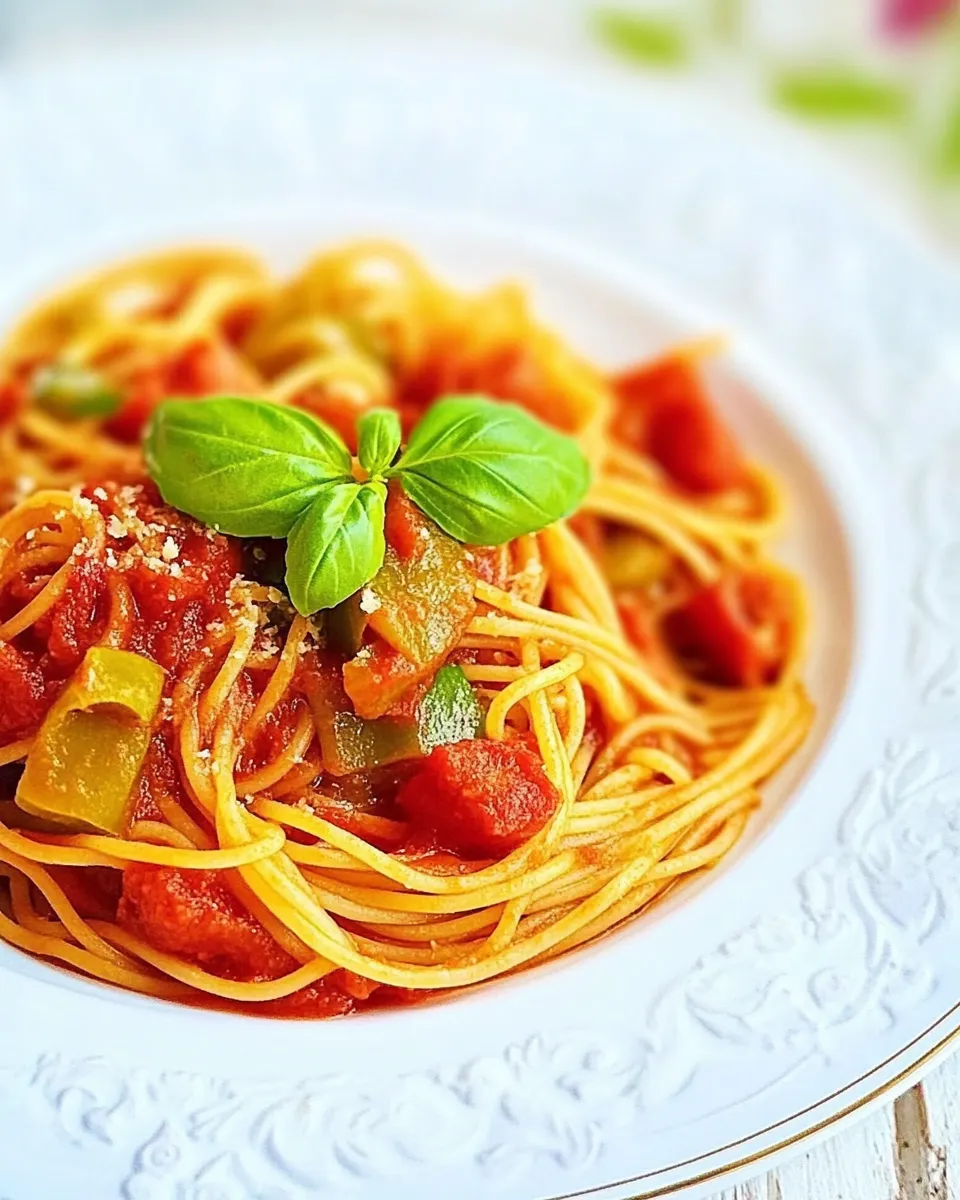
- Large pot for boiling pasta
- Large skillet or sauté pan with a lid
- Wooden spoon or spatula
- Colander
- Cutting board and chef’s knife
Step-by-step directions
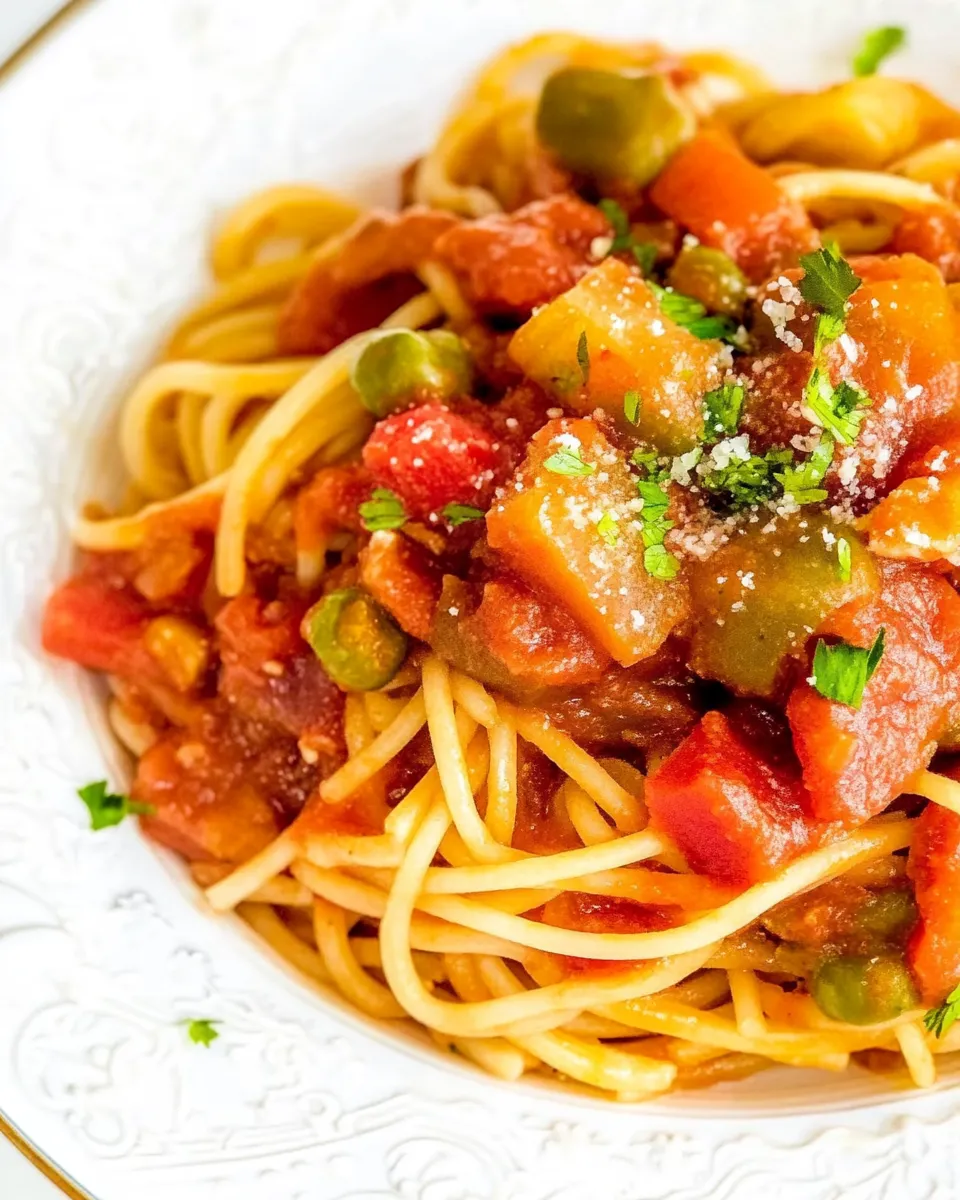
Follow these clear, ordered steps to make Dominican Spaghetti (Espaguetis). Quantities are kept exactly as listed above.
- Bring the pasta water to a boil: Fill a large pot with water and bring it to a rolling boil. Add 1½ tablespoons salt to the water. This will season the spaghetti from the inside as it cooks.
- Cook the spaghetti: Add 1 pound spaghetti to the boiling, salted water and cook according to package directions until it reaches al dente—tender but still with a slight bite. Stir occasionally to prevent sticking.
- Prep while pasta cooks: While the spaghetti is boiling, dice 1 red onion and cut 1 green bell pepper (or red bell pepper) into small cubes. Crush 2 garlic cloves and cube 4 plum tomatoes. Slice or cut the Dominican “salami” into bite-sized pieces. Measure out ¼ cup pitted green olives and 1 tablespoon capers if using.
- Brown the salami: Heat 2 tablespoon olive oil in a large skillet over medium heat. Add the 1 pound Dominican “salami” pieces and sauté for 3–5 minutes, stirring occasionally, until they release some oil and begin to brown. This renders flavor into the pan and creates a savory base for the sauce.
- Sauté the aromatics: Add the large diced red onion and the cubed bell pepper to the skillet with the salami. Sauté for 4–6 minutes, stirring frequently, until the vegetables soften and the onion becomes translucent.
- Add garlic and briny components: Stir in the 2 crushed garlic cloves, ¼ cup pitted green olives, and 1 tablespoon capers if using. Cook for 1–2 minutes, just until the garlic is fragrant—avoid letting it burn.
- Combine fresh tomatoes and seasoning: Add the 4 plum tomatoes, cut into small cubes, and ¼ teaspoon dried oregano to the skillet. Cook for 3–4 minutes, allowing the tomatoes to release some juices and start to soften.
- Add tomato sauce: Pour in 2 cups tomato sauce and stir to combine. Bring the mixture to a gentle simmer. Let it cook for 5–8 minutes to meld the flavors and reduce slightly, stirring occasionally so nothing sticks to the pan.
- Finish the sauce optional additions: If you like a touch of tang, add ¼ tablespoon vinegar. For a creamier texture, stir in ½ cup evaporated milk. These are optional—add either, both, or neither depending on your taste. Season the sauce with ¼ teaspoon pepper, or more to taste.
- Drain the pasta: Once the spaghetti is al dente, reserve a cup of the cooking water and then drain the rest using a colander. The reserved pasta water can help adjust sauce consistency if needed.
- Toss pasta with sauce: Add the drained spaghetti directly into the skillet with the sauce (or transfer the sauce to the pot with the pasta). Toss thoroughly so each strand is coated. If the sauce seems thick, add a little of the reserved pasta water, a tablespoon at a time, until you reach the desired consistency.
- Adjust seasoning and serve: Taste and adjust salt and pepper as needed. Sprinkle ¼ cup grated Parmesan cheese over the top if using, and toss briefly to combine. Serve immediately while hot.
Serving suggestions
Dish up Dominican Spaghetti (Espaguetis) with a simple green salad and crusty bread to soak up any extra sauce. A bright squeeze of lime or a handful of fresh chopped parsley will lift the flavors just before serving. Leftovers reheat well in a skillet over low heat—add a splash of water or milk to revive the sauce.
Make-ahead and storage
- Refrigerate: Store leftovers in an airtight container for up to 3 days.
- Freeze: The spaghetti freezes well for up to 2 months. Thaw in the refrigerator overnight before reheating.
- Reheating: Warm gently in a skillet over low heat, adding a little water or evaporated milk to loosen the sauce if it has thickened in the fridge.
Flavor tips and variations
- Protein swap: If you’d rather skip the salami entirely, brown diced chicken or turkey that has been seasoned with a pinch of smoked paprika for a different but tasty route.
- Vegetarian version: Replace the salami with hearty mushrooms sautéed until golden or add cooked lentils for texture and protein.
- Heat it up: Add a pinch of red pepper flakes when you sauté the onions for a bit of heat.
- Extra creaminess: Stir in an extra 2–3 tablespoons of evaporated milk or a splash of cream at the end for a richer sauce.
- Herb swap: Fresh basil or cilantro folded in right before serving adds a bright, herbal lift.
Troubleshooting
- Sauce too thin: Simmer it a few minutes longer uncovered to reduce and thicken.
- Sauce too thick: Add reserved pasta water or a splash of evaporated milk to loosen it.
- Pasta sticking together: Make sure you stir the spaghetti in the boiling water during the first minute or two and toss it with the sauce as soon as it’s drained.
Final thoughts
Dominican Spaghetti (Espaguetis) is a joyous, unfussy dish that balances savory, briny, and slightly sweet notes. It’s a crowd-pleaser that stores and reheats beautifully, and its ingredient list encourages customization. Whether you stick to the recipe or try one of the suggested variations, the focus is on big, bold flavor and a satisfying, saucy finish. Gather the family, set a simple table, and enjoy a comforting plate of this lively pasta tonight.
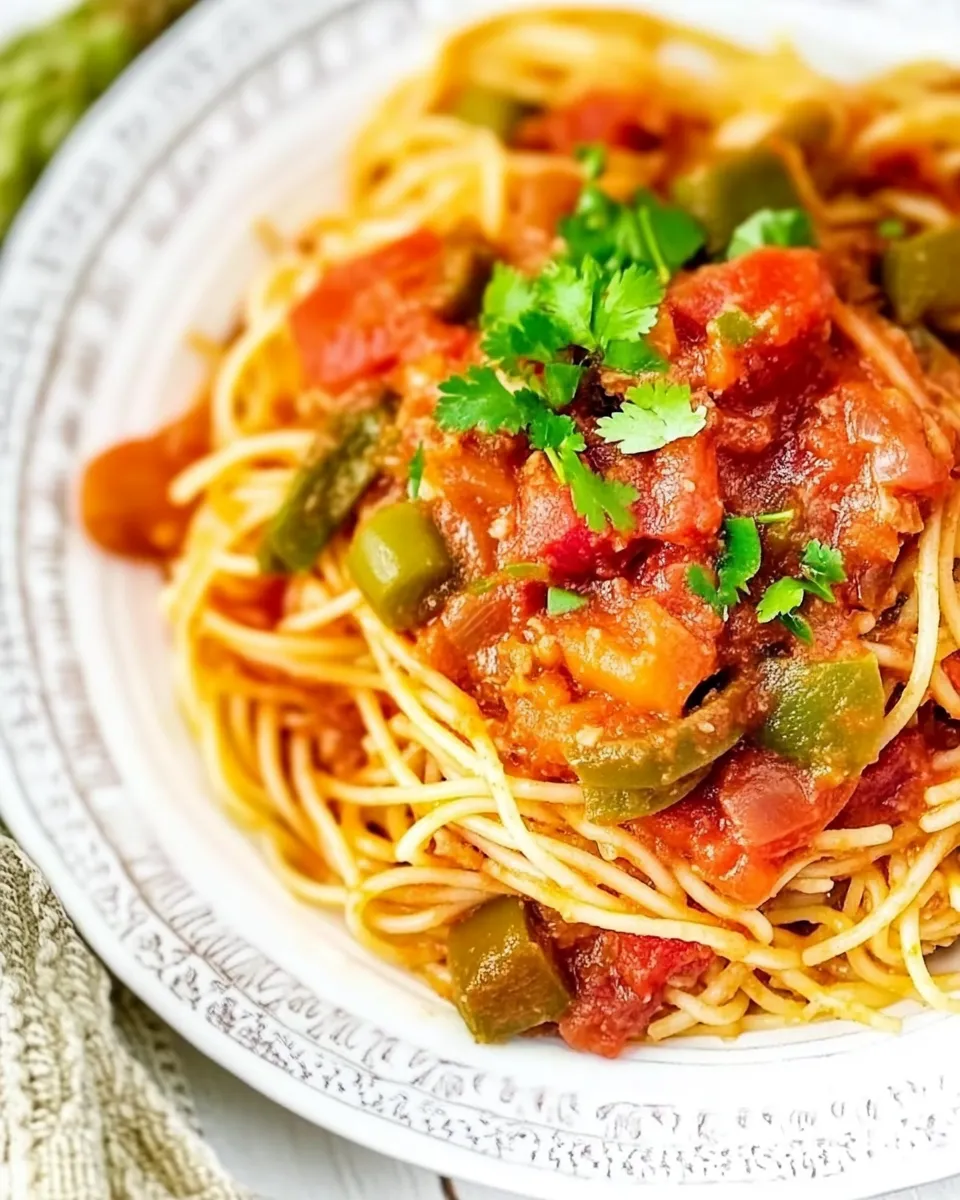
Dominican Spaghetti (Espaguetis)
Ingredients
Equipment
Method
- Bring a large pot of water (about 2 liters) to a boil and add 1 tablespoon of the salt. Add the spaghetti and cook until slightly softer than al dente. Drain and set aside.
- While the pasta cooks, heat the olive oil in a large skillet or pot over medium heat.
- Add the cubed salami and cook, stirring, until browned.
- Reduce heat to medium-low and add the diced onion, bell pepper, olives, crushed garlic, and capers (if using). Cook, stirring, about 1 minute or until the onion becomes translucent.
- Stir in the diced tomatoes and oregano, cover, and simmer 3–5 minutes until the tomatoes are softened.
- Add the tomato sauce and vinegar (omit vinegar if using evaporated milk). Stir to combine and heat through.
- If using evaporated milk, stir it in now and mix gently; do not let the sauce boil once milk is added to prevent curdling.
- Add the drained spaghetti to the sauce and toss until evenly coated. Season with the remaining salt and black pepper to taste.
- Serve hot and garnish with grated Parmesan cheese if desired.
Notes
- Do not add vinegar if using evaporated milk.
- Both vinegar and milk are optional and are regional variations.
- Use Dominican salami for authentic flavor.
- Salt amounts can be adjusted to taste.