Chicken Seasoning Recipe
There’s something deeply satisfying about a well-balanced mix of spices that turns plain chicken into something memorable. This Chicken Seasoning Recipe combines bright citrus notes, smoky warmth, and a touch of heat to create an all-purpose blend you’ll reach for again and again. It’s layered, flexible, and simple enough for weeknight meals or weekend roasting. Below you’ll find everything from ingredient breakdowns to step-by-step directions and serving suggestions so you can make the most of this flavorful mix.
Why this blend works
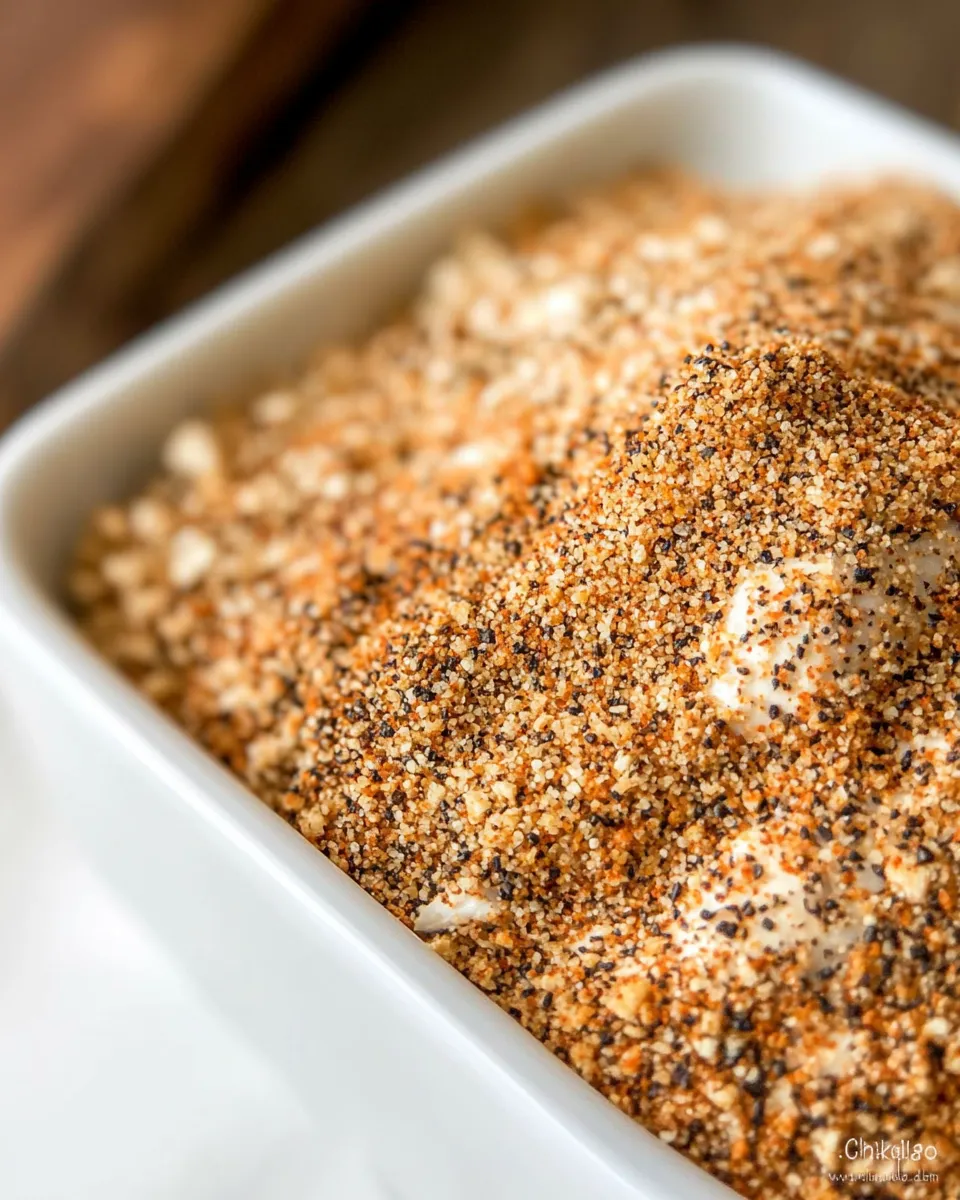
This Chicken Seasoning Recipe is built to hit multiple flavor profiles at once. Lemon pepper brings a bright, citrusy lift that complements poultry beautifully. Ancho chile powder adds a mild, fruity smokiness, while paprika and crushed red pepper provide mild sweetness and a controlled heat. Dried herbs like dill, oregano, and Italian seasoning contribute herbaceous depth, and classic aromatics such as garlic and onion powder anchor the mix. The result is a balanced rub that crisps nicely on the skin, perfumes the meat, and works with frying, grilling, baking, or pan-searing.
Ingredient notes
- 1 tablespoon lemon pepper seasoning — adds citrus brightness with black pepper warmth.
- ¾ teaspoon salt — a base level of seasoning for the first layer.
- ½ teaspoon garlic powder — adds savory, roasted garlic notes.
- ½ teaspoon onion powder — rounds out the savory profile.
- ½ teaspoon paprika — mild color and sweet pepper character.
- ½ teaspoon dried dill — a subtle, slightly grassy herb note that pairs nicely with lemon.
- 1 tablespoon ancho chile powder — mild, fruity smokiness that deepens flavor without overwhelming heat.
- 1 teaspoon salt — a second small addition of salt to keep seasoning balanced when combined with other layers.
- ½ teaspoon garlic powder — repeated to ensure garlic flavor is present throughout the blend.
- ½ teaspoon onion powder — reinforces savory onion notes.
- ½ teaspoon ground cumin — warm, earthy, and slightly nutty; it gives background complexity.
- ½ teaspoon dried oregano — Mediterranean herbal backbone to marry with Italian seasoning later.
- ½ teaspoon cayenne pepper — a measured kick; increase or decrease to taste.
- 1½ tablespoons Italian seasoning — a blend of basil, oregano, rosemary, and thyme to broaden the herbal profile.
- 1 teaspoon salt — a final touch of salt to bring all elements together without over-salting.
- ½ teaspoon garlic powder — ensures consistent garlic presence across the mix.
- ½ teaspoon onion powder — finishing layer for savory balance.
- ½ teaspoon crushed red pepper flakes — a flaked, textured heat that adds visual interest and a lingering spice.
Note: The ingredient list repeats a few components in measured layers. That layering helps distribute flavor so no single note gets lost in cooking.
How to make the seasoning
This is a forgiving mix, so you can make it up in a small bowl and store the rest in an airtight container for up to 6 months in a cool, dark place.
Equipment
- Small mixing bowl
- Measuring spoons
- Whisk or fork
- Airtight jar for storage
Step-by-step directions
- Measure the first set of ingredients into your mixing bowl: 1 tablespoon lemon pepper seasoning, ¾ teaspoon salt, ½ teaspoon garlic powder, ½ teaspoon onion powder, ½ teaspoon paprika, and ½ teaspoon dried dill. These build the bright, savory opening of the blend.
- In the same bowl, add 1 tablespoon ancho chile powder. Stir or whisk this into the first set so the smoky chile is evenly distributed.
- Add the next layer of seasoning: 1 teaspoon salt, ½ teaspoon garlic powder, and ½ teaspoon onion powder. Whisk again to blend these repeated aromatics with the ancho chile base.
- Now sprinkle in ½ teaspoon ground cumin, ½ teaspoon dried oregano, and ½ teaspoon cayenne pepper. Mix thoroughly so the warm, earthy, and spicy notes are incorporated.
- Fold in 1½ tablespoons Italian seasoning, stirring until the dried herb mix is uniform throughout the bowl.
- Add the final touches: 1 teaspoon salt, ½ teaspoon garlic powder, ½ teaspoon onion powder, and ½ teaspoon crushed red pepper flakes. Give the mixture a final, vigorous stir so every pinch of the rub is evenly seasoned.
- Taste a tiny amount (optional) and adjust if you prefer more salt or heat; remember the amounts above are the recipe’s prescribed measures and should be kept unchanged if you plan to replicate the exact balance.
- Transfer the finished seasoning to an airtight jar. Label and date it. Store in a cool, dark cupboard. Use within six months for best flavor.
Using the seasoning on chicken
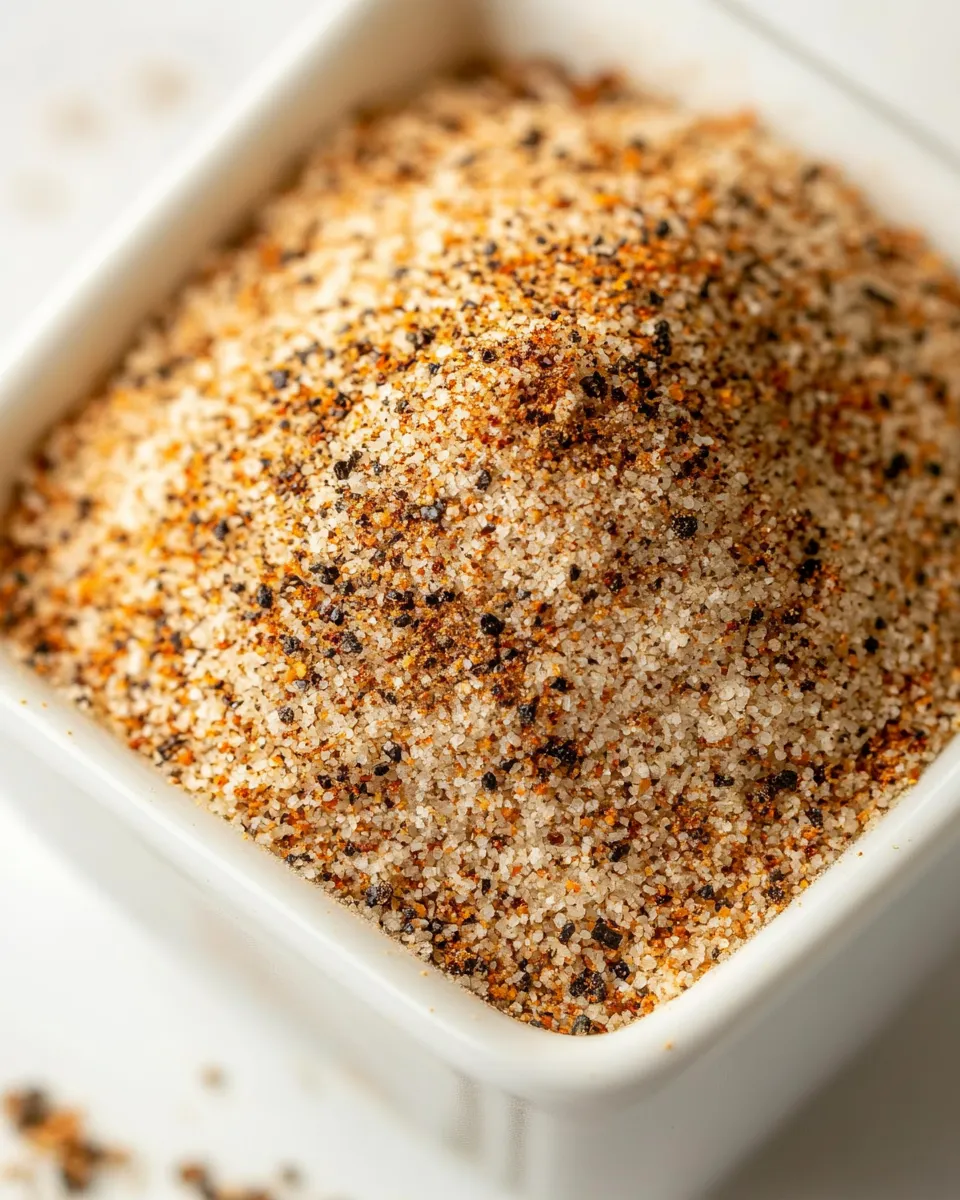
This Chicken Seasoning Recipe works with any cut of chicken: breasts, thighs, drumsticks, wings, or a whole bird. Here are three easy methods to apply it depending on how you want to cook.
1. Oven-roasted chicken (skin-on)
- Preheat the oven to 425°F (220°C).
- Pat chicken pieces dry with paper towels. Dry skin crisps better and prevents steaming.
- Rub about 1 teaspoon of the seasoning per chicken breast (adjust up for larger pieces) onto the surface, pressing gently so the mix adheres. For whole chickens, use 2–3 tablespoons under and over the skin.
- Place on a lined baking sheet or in a roasting pan and roast until an instant-read thermometer inserted into the thickest part reads 165°F (74°C) for breasts or 175°F (80°C) for thighs—typically 20–30 minutes for breasts and 30–45 minutes for thighs, varying by size.
- Let rest for 5–10 minutes before serving to allow juices to redistribute.
2. Grilled chicken
- Preheat the grill to medium-high heat and oil the grates.
- Pat chicken dry and drizzle lightly with a neutral oil. Sprinkle the seasoning evenly over both sides—about 1 teaspoon per breast or adjust proportionally.
- Grill skin-side down first, then flip to finish. Cook until juices run clear and internal temperature reaches 165°F (74°C).
- Allow a 5-minute rest before slicing to keep the meat juicy.
3. Pan-seared chicken
- Heat 1–2 tablespoons neutral oil in a heavy skillet over medium-high heat.
- Season chicken pieces with the rub, pressing it into the meat. For even cooking, pound thicker breasts to an even thickness or slice them in half horizontally.
- Sear the chicken without moving for 4–6 minutes per side depending on thickness, then reduce heat if the exterior browns too quickly. Finish in a 350°F (175°C) oven if needed until the internal temperature is 165°F (74°C).
Recipe variations and tips
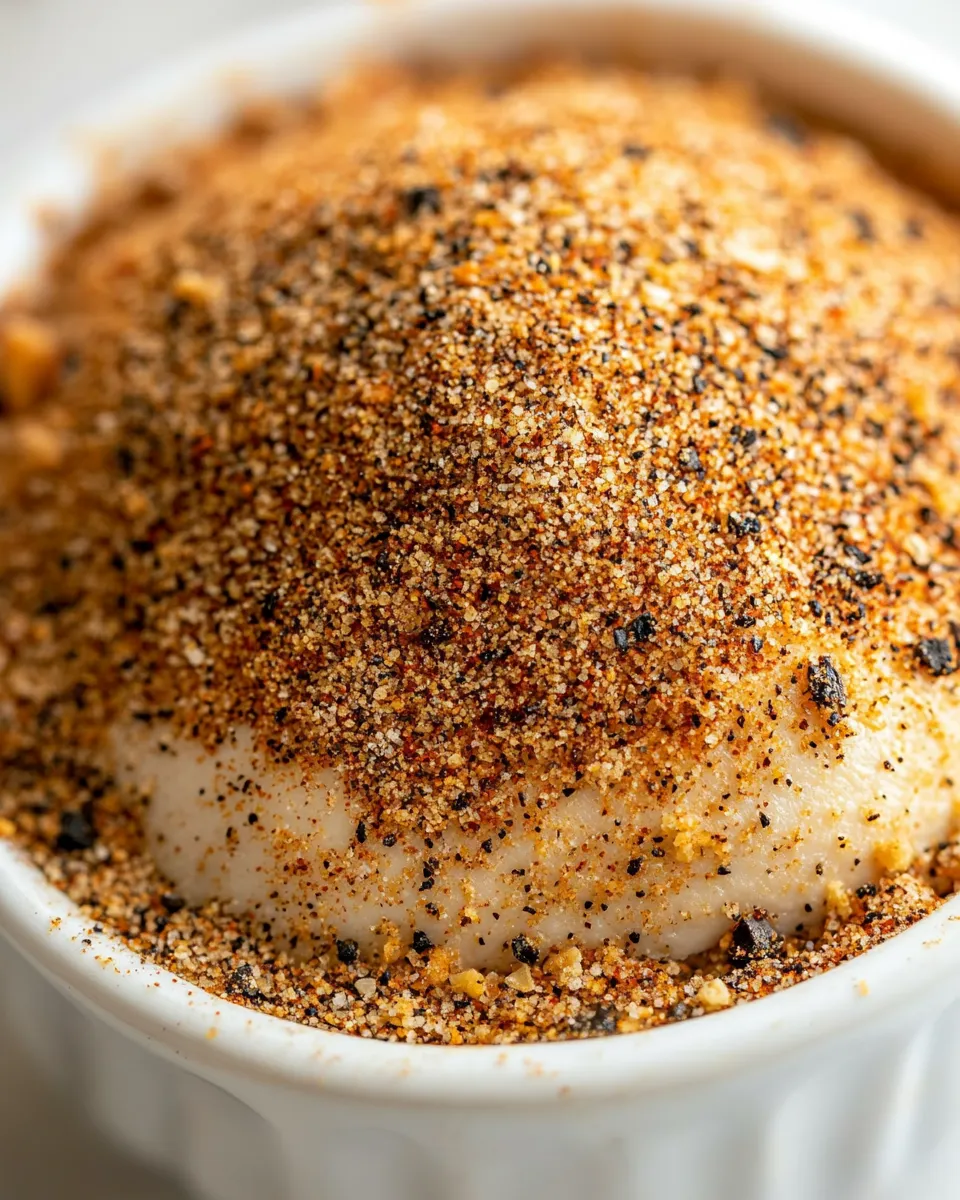
- Make it milder: Omit or reduce the cayenne pepper and crushed red pepper flakes.
- Make it smoky: Swap regular paprika for smoked paprika for a deeper smoke note.
- Make it herbier: Increase Italian seasoning by ½ tablespoon if you want a greener, herb-forward profile.
- For a wet rub: Mix 2–3 tablespoons of this dry blend with 2 tablespoons olive oil and the juice of half a lemon. Massage onto chicken and marinate 30 minutes to overnight.
- Use as a finishing dust: Sprinkle a small pinch over cooked chicken right before serving for an aromatic final hit.
Serving ideas
- Serve roasted chicken with simple roasted vegetables and a lemony green salad.
- Shred grilled chicken and toss with warmed rice, beans, and avocado for a quick bowl meal.
- Use pan-seared breasts sliced over pasta with olive oil, lemon zest, and a sprinkle of the seasoning for a weeknight feast.
Storage
Keep the seasoning blend in an airtight container away from direct light and heat. Properly stored, it holds best quality for up to six months. Freshness of store-bought spices will affect the final aroma, so if your spices are older than a year, consider replacing them for maximum flavor.
Final thoughts
This Chicken Seasoning Recipe was designed to be layered, adaptable, and reliable. The repeated measures of salt, garlic, and onion powder create consistent savory notes that carry through every cooking method, while the blend of chiles and herbs keeps things interesting. Make a batch, tuck it into your spice drawer, and you’ll have one of the most versatile chicken seasonings ready whenever dinner calls.
Chicken Seasoning Recipe
Ingredients
Equipment
Method
- Measure all spices and herbs into a small bowl.
- Stir thoroughly until the mixture is evenly combined.
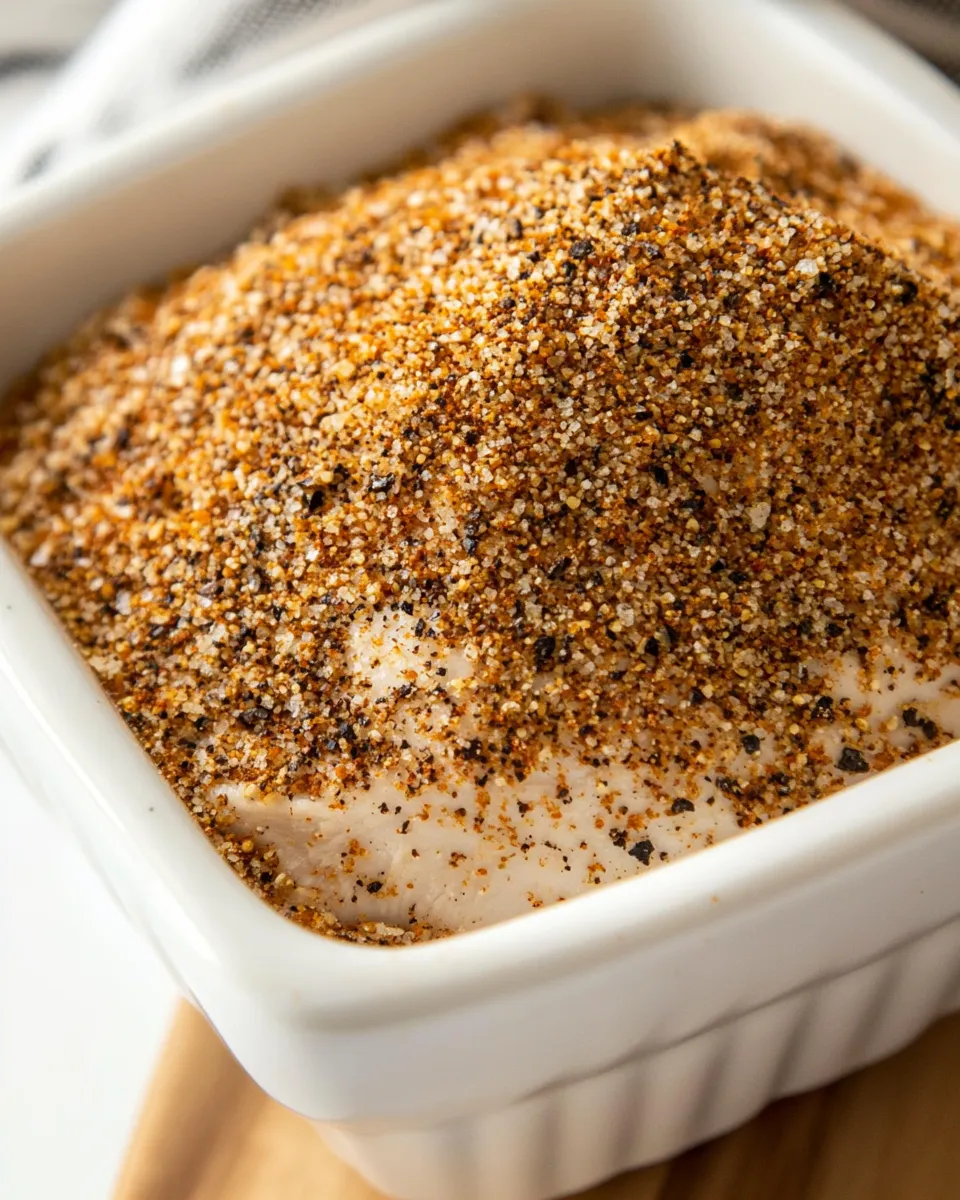
- Sprinkle the seasoning over boneless or bone-in chicken to taste, coating both sides.
- Cook the chicken using your preferred method until it reaches a safe internal temperature.
Notes
- If short on time, use store-bought blends like lemon pepper, Mrs. Dash, Tajín, bagel seasoning, or Old Bay.
- Store each spice blend in a container with a lid.
- Keep at room temperature in a cool, dry place.
- Use within about 6 months for best freshness.
- For cooking ideas, see the Cooked Chicken 101 guide.