Fried Chicken Tenders Recipe
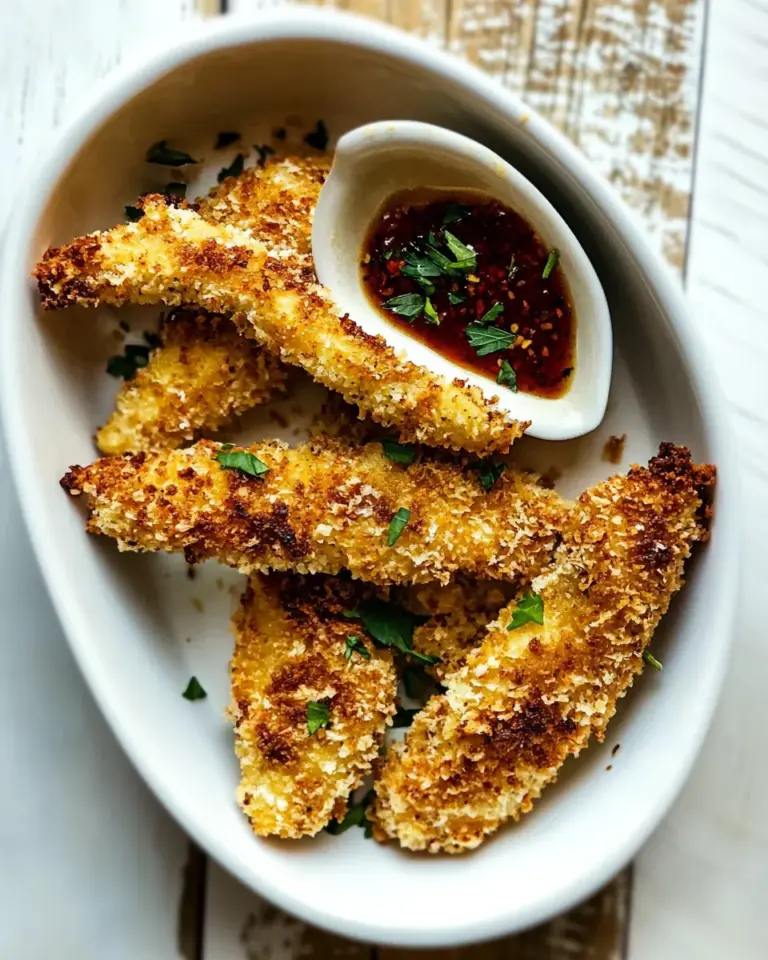
There’s something universally comforting about a perfectly crisp, golden chicken tender—the kind that crackles when you bite into it and gives way to juicy, tender meat. This Fried Chicken Tenders Recipe elevates a simple weeknight dinner into something special with a bright, tangy buttermilk soak, a seasoned flour-and-cornstarch crust, and a double-dredge technique that yields outrageous crunch. The ingredient list below is written precisely as used in the recipe, and the instructions are rewritten step-by-step for clarity so you can get consistent results every time.
Why this Fried Chicken Tenders Recipe works
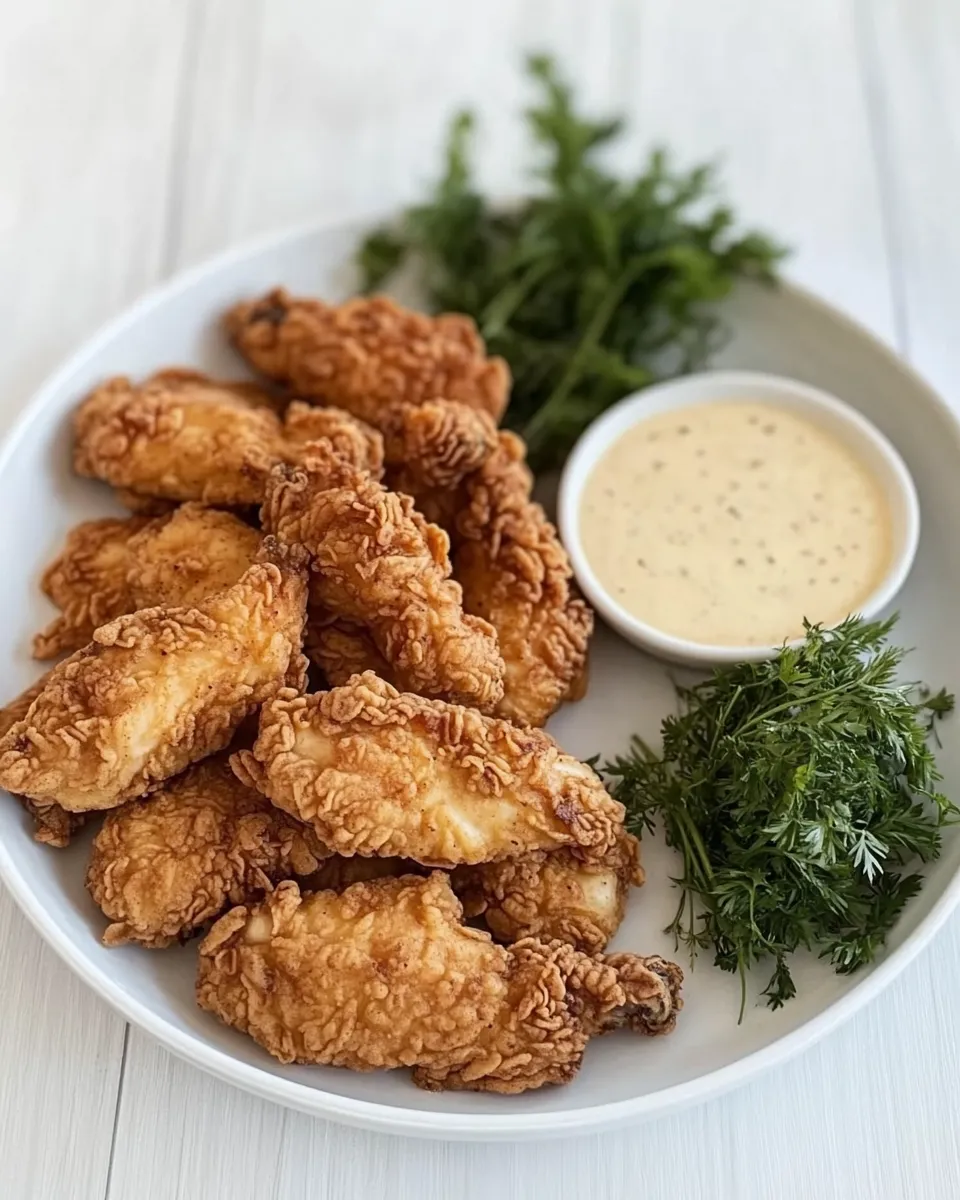
Three things make these tenders stand out:
- Buttermilk brine: The 1 ½ cups of buttermilk combined with ¼ cup pickle juice (or white distilled vinegar) and a splash of hot sauce gently tenderizes the chicken and adds tang.
- Double-seasoned coating: The flour-cornstarch mix plus a second round of spices added to the egg wash and dredge brings layers of flavor and a sturdy, crackly crust.
- Balanced frying: The oil temperature, piece size, and frying time produce juicy centers without greasy breading.
Ingredients
Use the exact quantities below for reliable results. All amounts are listed in the units provided.
- 2 pounds chicken tenders
- 1 ½ cups buttermilk
- ¼ cup pickle juice, or white distilled vinegar
- 1 tablespoon hot sauce
- 1 ½ tablespoons garlic granules
- 1 ½ tablespoons onion granules
- 2 teaspoons paprika
- 2 teaspoons coarse salt
- 1 teaspoon ground black pepper
- 1 cup all-purpose flour
- 1 cup cornstarch
- 1 tablespoon baking powder
- 2 teaspoons garlic granules
- 2 teaspoons onion granules
- 2 teaspoons paprika
- 3 teaspoons coarse salt
- 1 teaspoon ground pepper
- 4 large eggs
- ½ cup buttermilk
- oil for frying
Prep equipment
- Large mixing bowls (at least two)
- Whisk and tongs
- Large shallow baking dish or rimmed sheet pan
- Heavy-bottomed Dutch oven or deep frying pan
- Instant-read thermometer
- Cooling rack and sheet pan lined with paper towels
Step-by-step instructions
Follow these steps in order for best results. The directions have been rewritten from the original source to be clear and easy to follow while keeping all ingredient amounts identical.
- Make the buttermilk marinade: In a large bowl, whisk together 1 ½ cups buttermilk, ¼ cup pickle juice (or white distilled vinegar), 1 tablespoon hot sauce, 1 ½ tablespoons garlic granules, 1 ½ tablespoons onion granules, 2 teaspoons paprika, 2 teaspoons coarse salt, and 1 teaspoon ground black pepper. Taste and adjust the hot sauce if you prefer more or less heat. The pickle juice or vinegar adds acidity to help tenderize the chicken.
- Soak the chicken: Add the 2 pounds chicken tenders to the marinade, pressing them down so they are fully submerged. Cover the bowl and refrigerate for at least 1 hour, or up to 8 hours for more flavor and tenderness. If you’re short on time, 30 minutes will still improve texture, but longer is better.
- Prep the dry mix: While the chicken soaks, combine the dry coating ingredients in a large shallow dish or rimmed baking sheet. Whisk together 1 cup all-purpose flour, 1 cup cornstarch, 1 tablespoon baking powder, 2 teaspoons garlic granules, 2 teaspoons onion granules, 2 teaspoons paprika, 3 teaspoons coarse salt, and 1 teaspoon ground pepper until evenly distributed. The cornstarch lightens the flour and yields a crisp, delicate crust while the baking powder helps it puff slightly.
- Prep the egg wash: In a separate bowl, whisk together the 4 large eggs and ½ cup buttermilk until smooth. This egg mixture will help the seasoned dry mix adhere and form the first protective layer of the double-dredge.
- Set up a dredging station: Place the marinated chicken, egg wash, and dry mix side by side for an assembly-line method. Use tongs or clean hands to move pieces through each station. Work in batches to keep the dredge dry and the oil clean.
- Double-dredge each tender: Remove a chicken tender from the marinade, letting excess drip off. Dip it fully into the egg wash, lifting and allowing excess to drip back into the bowl. Press the egg-coated tender into the dry mix, turning and pressing so the coating sticks well. For extra-crisp results, repeat: dip the coated tender once more into the egg wash and then press it again into the dry mix for a second, thicker crust.
- Rest the coated tenders: Place the double-coated tenders on a wire rack set over a sheet pan. Let them rest for 10–15 minutes at room temperature; this helps the coating adhere and reduces the chance it will fall off when frying.
- Heat the oil: In a heavy-bottomed Dutch oven or deep frying pan, add enough oil for shallow frying to reach about 1 to 1 ½ inches deep. Heat the oil over medium-high heat until it reaches 350°F (175°C) on an instant-read thermometer. Maintain this temperature as you fry—too hot will burn the coating, too cool will make it greasy.
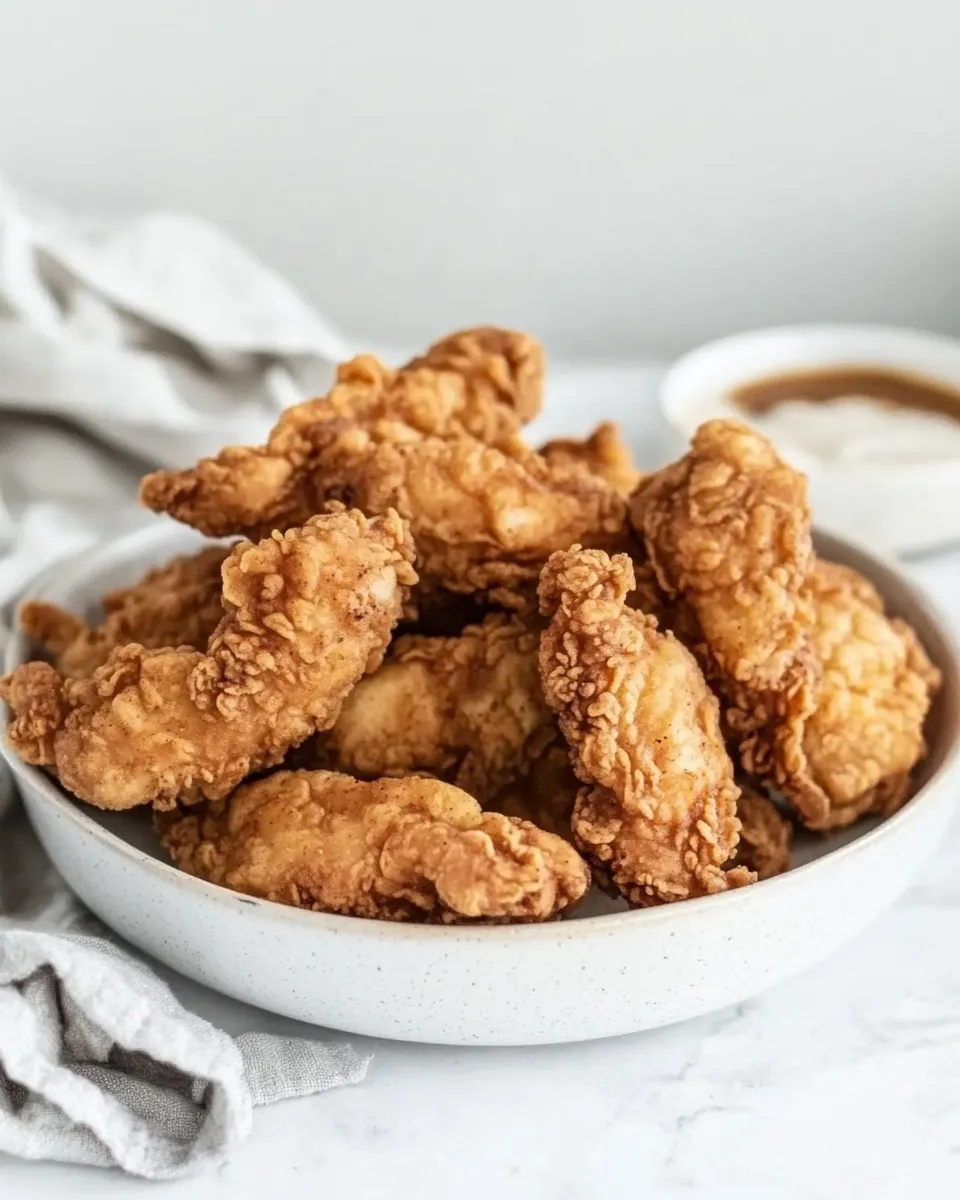
- Fry in batches: Fry the tenders in small batches so they have room and the oil temperature doesn’t drop dramatically. Carefully add 3–5 tenders to the hot oil without overcrowding. Fry until golden brown and crisp, about 3–5 minutes per side, turning once halfway through to brown evenly. Use tongs to flip gently.
- Check doneness: Internal temperature should reach 165°F (74°C). For consistent results, check a thicker tender with an instant-read thermometer. If the coating is golden but the inside isn’t quite done, lower the heat slightly and fry a little longer until the correct internal temperature is reached.
- Drain and keep warm: Remove tenders with a slotted spoon or tongs and transfer to a wire rack set over a sheet pan lined with paper towels to drain excess oil. If you need to keep multiple batches warm, place the rack and pan in a 200°F (95°C) oven for a few minutes while you finish frying the rest.
- Serve immediately: Serve the fried tenders hot for the best texture: the crust should be crackly and the meat juicy. Pair with your favorite dipping sauces, lemon wedges, or a fresh slaw for contrast.
Troubleshooting and tips
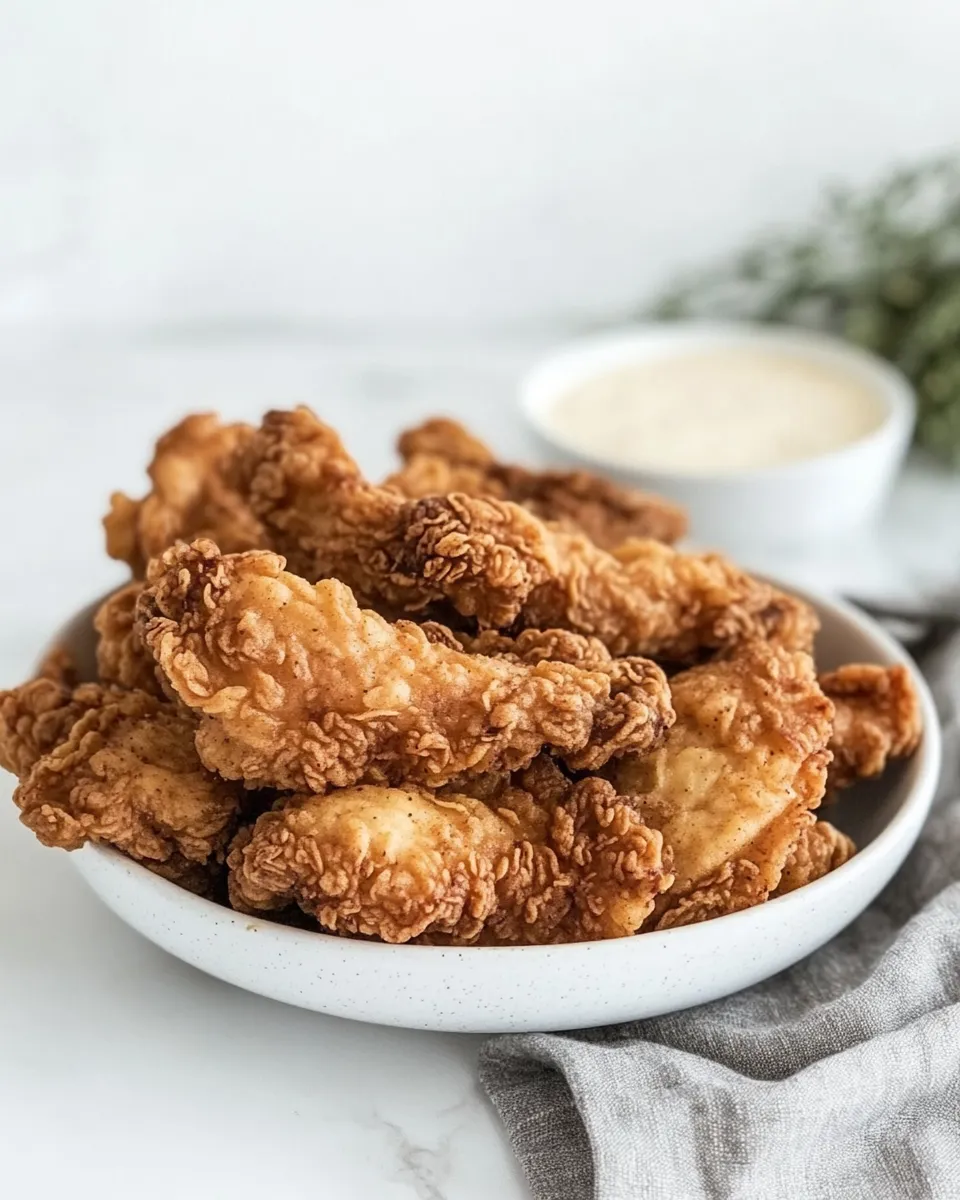
- Prevent soggy crust: Keep the oil temperature near 350°F and don’t overcrowd the pan. Resting the coated tenders on a rack before frying helps the coating stay attached.
- Even cooking: Choose tenders of similar size so they finish at the same time. If some pieces are much thicker, pound them slightly to even thickness.
- Crunch boost: Double-dredging (egg, dry, egg, dry) creates a thicker, crunchier crust that holds up well to dipping.
- Flavor variations: Swap smoked paprika or add ½ teaspoon cayenne to the dry mix for a smoky or spicier profile. You can also fold 2 tablespoons of grated Parmesan into the dry mix for a savory twist.
- Make-ahead: Marinate up to 8 hours ahead, and assemble the coated tenders up to 1 hour before frying. Letting them sit too long after coating may cause the crust to absorb moisture and soften.
Serving suggestions
This Fried Chicken Tenders Recipe pairs with a wide range of sides. Try it with crisp fries or roasted sweet potatoes, a bright green salad, buttery biscuits, or pickled vegetables to cut through the richness. Popular dipping options include ranch-style dressings, honey mustard, garlic aioli, or a simple hot sauce and honey combo.
Storage and reheating
Leftover tenders keep well in the refrigerator for 2–3 days in an airtight container. To re-crisp, reheat in a 375°F (190°C) oven on a wire rack for 8–10 minutes, or until heated through and the crust is crisp. Avoid microwaving, which will soften the coating.
Notes on ingredients and swaps
- If you don’t have pickle juice, use the white distilled vinegar specified in the ingredients; both add acidity that tenderizes and brightens flavor.
- The recipe uses both garlic granules and onion granules in the marinade and again in the dry mix—this repetition layers flavor and ensures a savory, aromatic crust.
- Using a mix of all-purpose flour and cornstarch yields a crisp, light crust. If you prefer gluten-free, you could substitute a gluten-free flour blend and a gluten-free cornstarch alternative, but that changes texture.
Nutrition estimate
Exact nutrition depends on the thickness of your tenders and how much oil they absorb while frying. Expect moderate protein from the chicken and a higher calorie count due to the frying oil and crust. Serving with a salad or steamed vegetables helps balance the meal.
Final thoughts
This Fried Chicken Tenders Recipe balances tangy, seasoned buttermilk with a well-seasoned, double-dredged coating to create tenders that are juicy inside and incredibly crisp outside. Follow the step-by-step directions above, keep an eye on your oil temperature, and you’ll have a crowd-pleasing dish that’s delicious as a family dinner or a party appetizer. Happy frying!
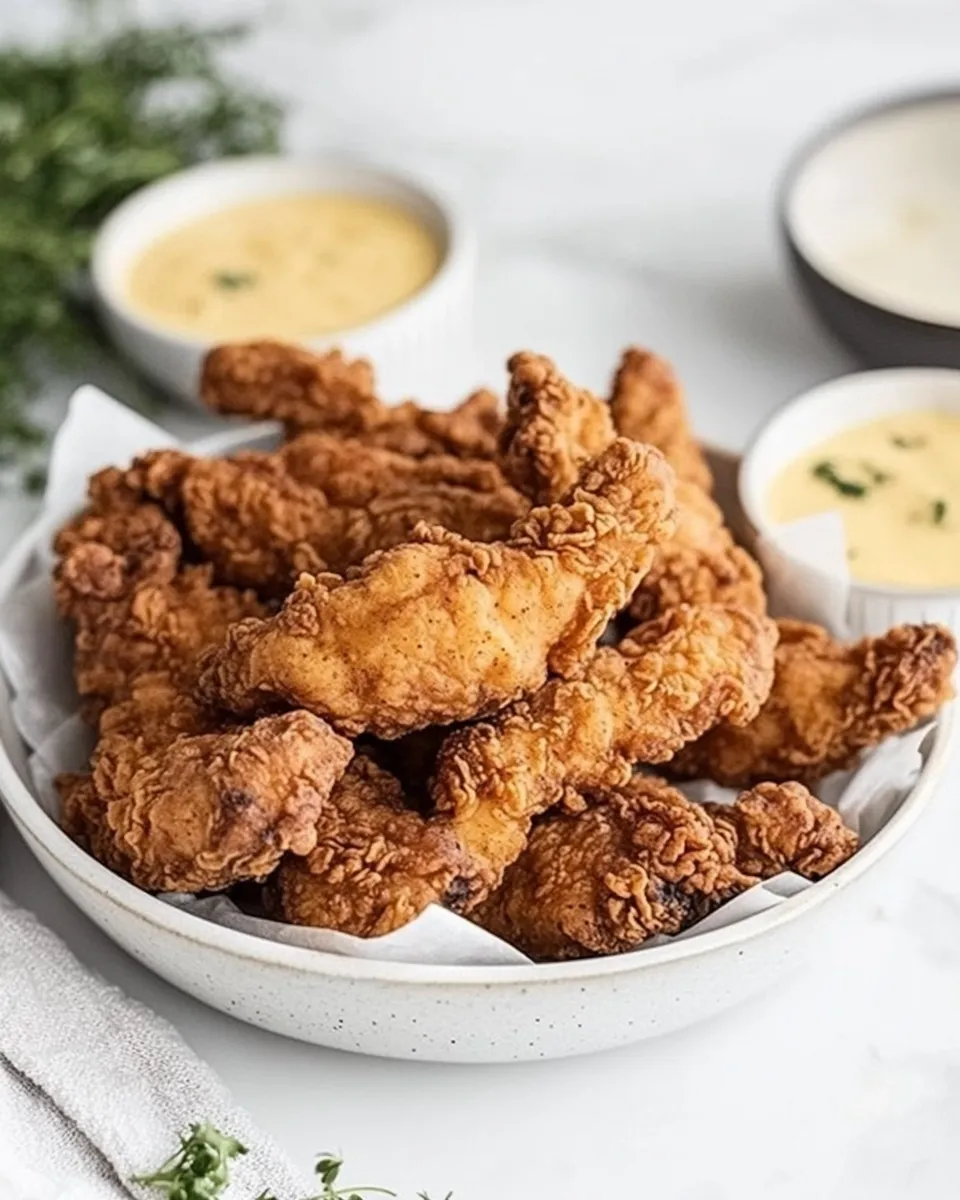
Fried Chicken Tenders Recipe
Ingredients
Equipment
Method
- In a large bowl combine 1 1/2 cups buttermilk, 1/4 cup pickle juice or vinegar, 1 tablespoon hot sauce, 1 1/2 tablespoons garlic granules, 1 1/2 tablespoons onion granules, 2 teaspoons paprika, 2 teaspoons coarse salt, and 1 teaspoon black pepper.
- Add the chicken tenders to the marinade, coat well, cover, and refrigerate for 2 to 24 hours.
- Whisk together the flour, cornstarch, baking powder, 2 teaspoons garlic granules, 2 teaspoons onion granules, 2 teaspoons paprika, 3 teaspoons coarse salt, and 1 teaspoon ground pepper in a wide shallow bowl; set aside.
- In a second wide bowl whisk 4 large eggs with 1/2 cup buttermilk and the remaining 1 teaspoon salt and 1/2 teaspoon pepper to make the egg wash; set aside.
- Heat oil in a 4- or 5-quart pot until it reaches 375°F, using a candy or instant-read thermometer to monitor temperature.
- Remove a few tenders from the marinade, drain excess, then dredge in the seasoned flour, pressing to coat thoroughly.
- Shake off excess flour, dip the coated tender into the egg wash to fully cover, drain excess egg, then dredge again in the flour mixture pressing to adhere a second time. Place on a wire rack set over a sheet tray and rest up to 15 minutes; repeat with remaining tenders.
- Fry 4 to 6 tenders at a time, lowering them gently into the 375°F oil (temperature will drop to about 350°F). Cook 3 1/2 to 4 minutes, turning once or twice, until golden brown and cooked through.
- Transfer cooked tenders to a wire rack to drain while you finish remaining batches; keep oil temperature near 350–375°F between batches.
- Serve hot with optional dipping sauces such as ranch, blue cheese, or honey mustard.
Notes
- Use a thermometer to maintain oil temperature for best results.
- Marinate at least 2 hours or overnight for best flavor and tenderness.
- Do not overcrowd the pot; fry in batches.
- Rest dredged tenders 10–15 minutes before frying so coating adheres.
- Drain fried tenders on a wire rack, not paper towels.
- Keep an eye on oil temperature and adjust heat as needed.