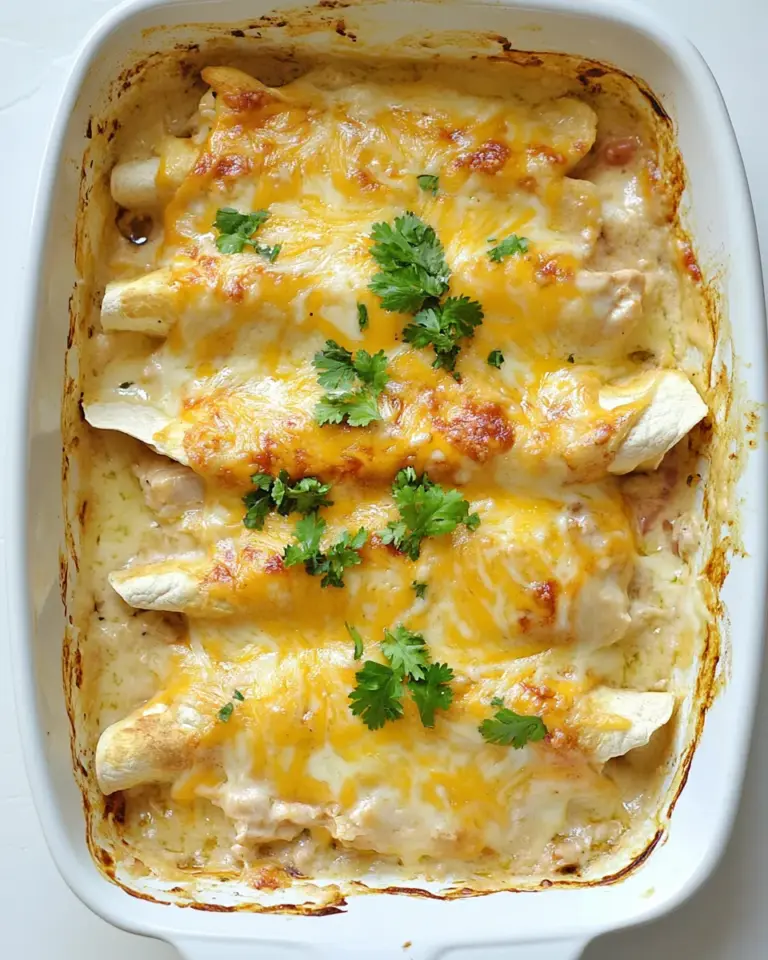
Honey Dijon Salmon
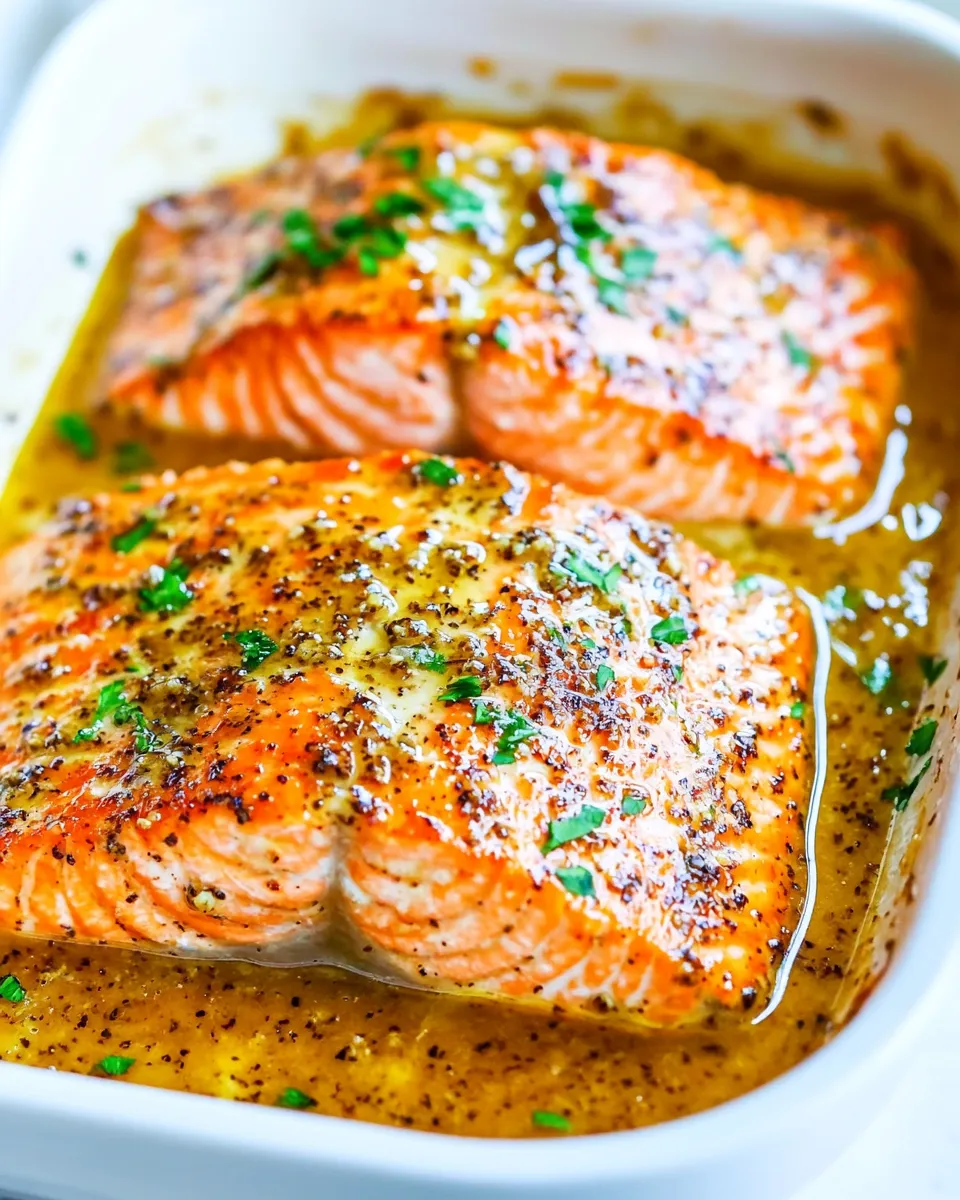
If you’re craving a weeknight dinner that feels like a treat but comes together in under 30 minutes, this Honey Dijon Salmon delivers. The balance of sweet honey, tangy Dijon mustard and bright lemon makes for a glaze that clings to the skin of a perfectly seared fillet. It’s simple, bold, and reliably delicious—exactly the kind of recipe you’ll reach for again and again.
Why you’ll love this recipe
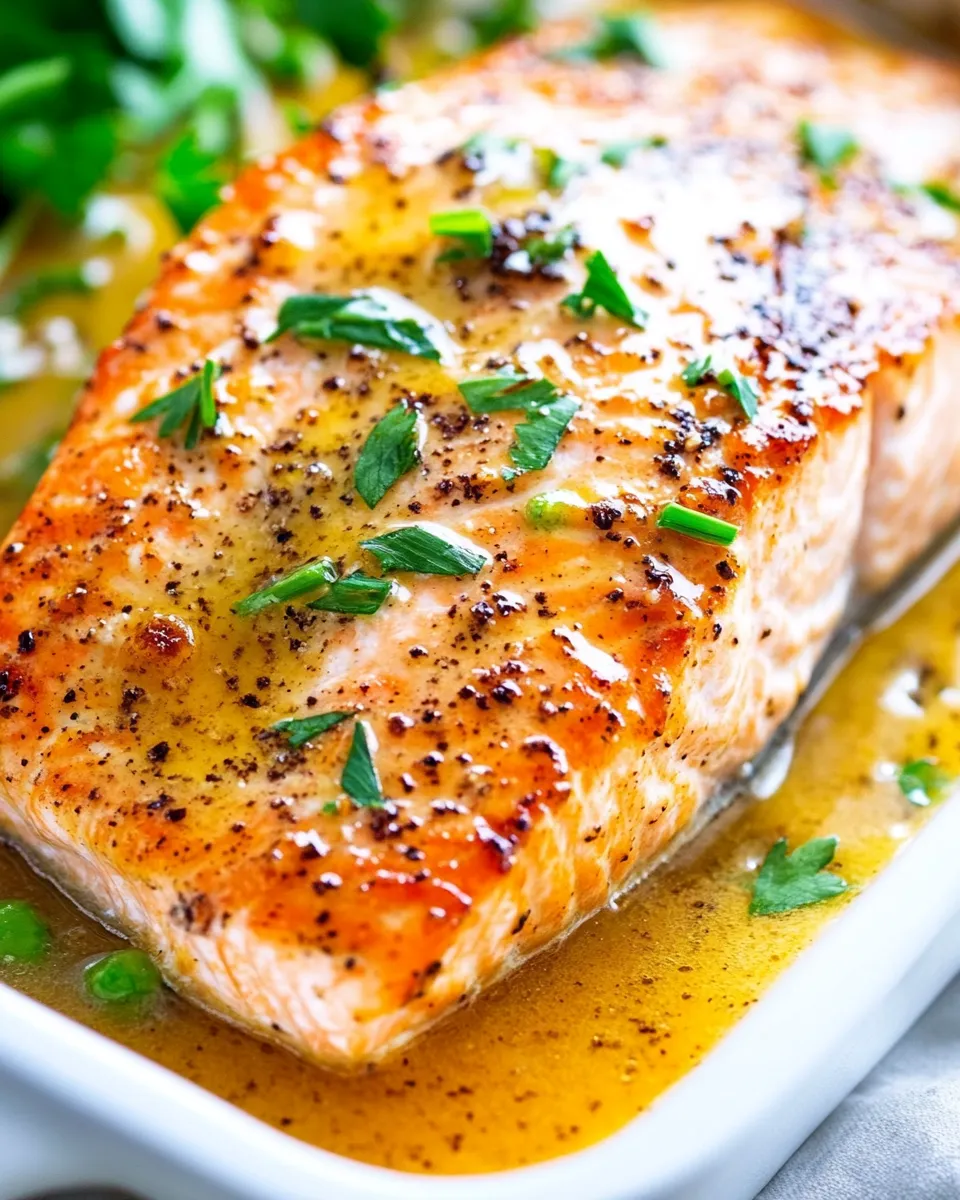
This Honey Dijon Salmon is fast, forgiving, and full of flavor. The skin-on salmon develops a crisp exterior under high heat while the honey-Dijon butter glaze keeps the flesh moist and glossy. A few lemon rounds baked alongside add bright aromatics and make the plate look restaurant-worthy with almost no extra effort.
Ingredients
- 1.25 pounds skin-on salmon fillet
- 1 large lemon, sliced into thin rounds
- ½ cup unsalted butter, melted
- 4 tablespoons honey
- 3 tablespoons Dijon mustard
- 2 tablespoons lemon juice
- 1 teaspoon kosher salt, or to taste
- ½ teaspoon freshly ground black pepper, or to taste
- 1 tablespoon finely chopped fresh parsley, optional for garnishing
Equipment and prep notes
Gather a rimmed baking sheet or an ovenproof skillet, parchment paper or a light slick of oil to prevent sticking, and a small bowl for whisking the glaze. Patting the salmon dry and keeping the skin on will help you get that coveted crisp texture. The glaze is a simple whisk of melted butter, honey and Dijon mustard—no special tools required.
Flavor tips
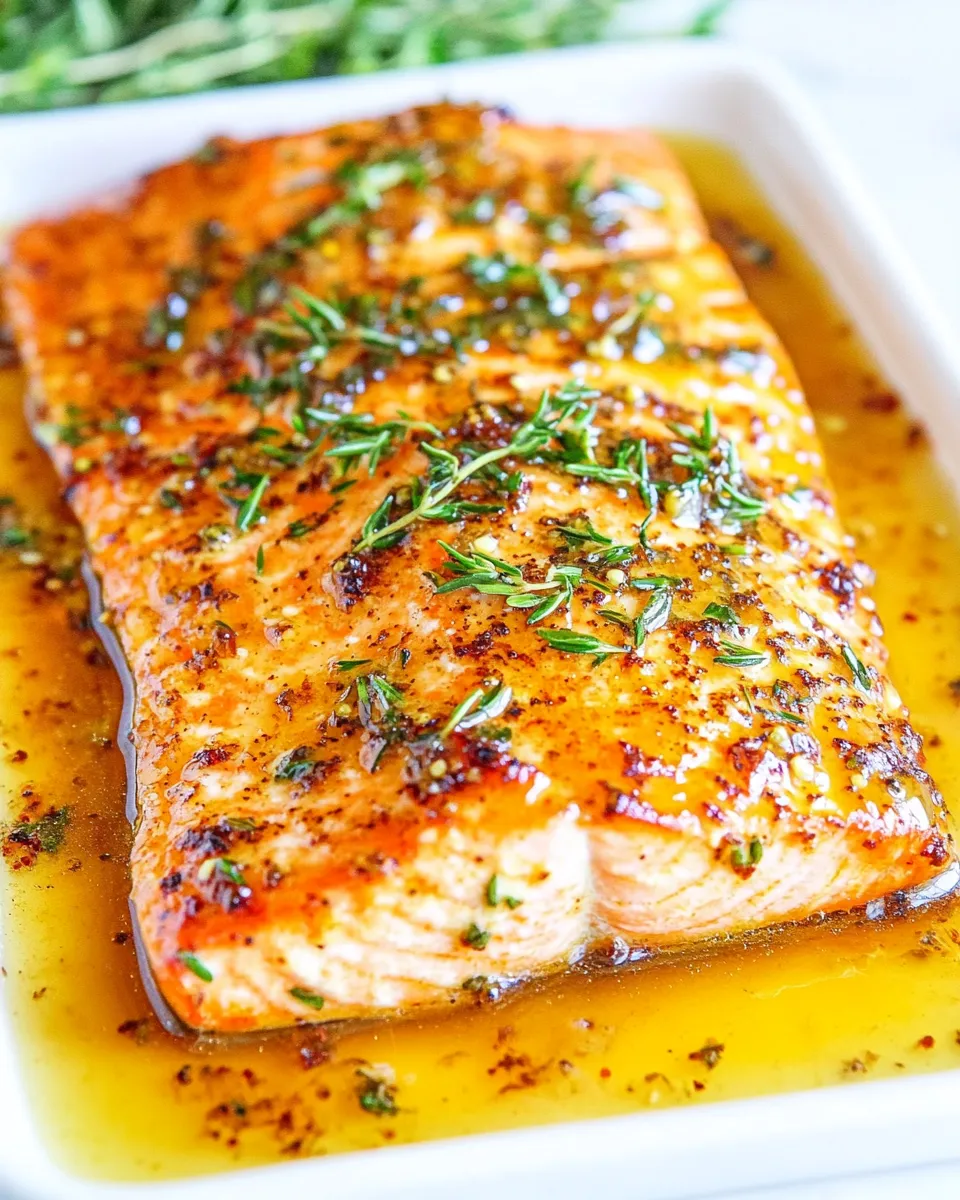
- For more brightness, increase the lemon juice by an extra teaspoon or add a little lemon zest to the glaze.
- If you like extra caramelization, broil for a minute or two at the end of cooking—watch closely so the sugars don’t burn.
- Leftover glaze can be stored in the fridge for up to three days and gently warmed to spoon over roasted vegetables or grilled fish.
Step-by-step directions
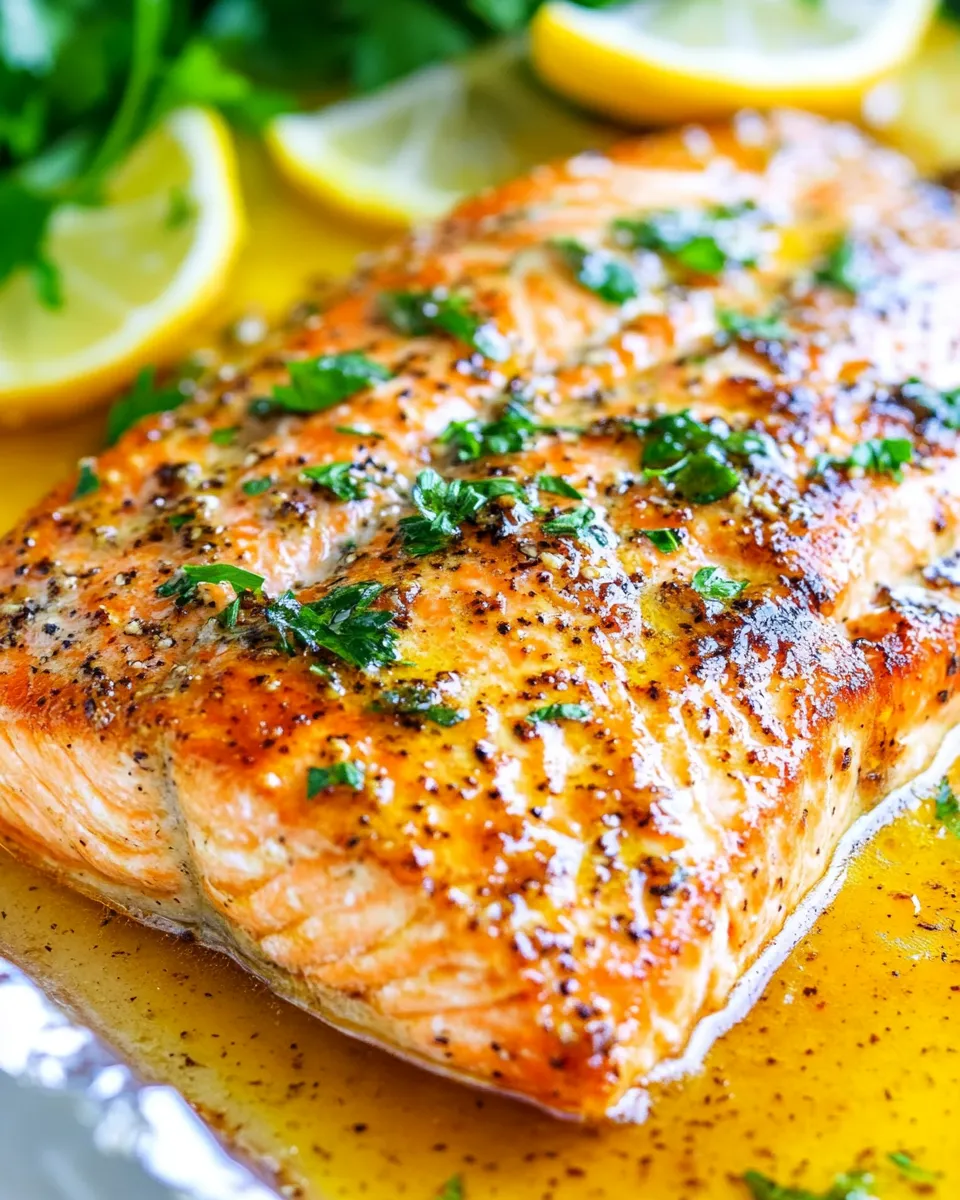
Follow these clear, step-by-step directions to prepare the Honey Dijon Salmon. The order keeps the process intuitive and ensures the glaze and cooking times match the ingredient list exactly.
- Preheat your oven to 400°F (200°C). Line a rimmed baking sheet with parchment paper or lightly oil an ovenproof skillet. This prevents sticking and makes cleanup easier.
- Arrange the thin lemon rounds in a single layer on the prepared baking sheet or skillet. These will sit under the salmon and release bright flavor as they roast.
- Pat the 1.25 pounds skin-on salmon fillet dry with paper towels. Place the fillet, skin-side down, directly on top of the lemon rounds. Position the salmon so it sits flat and evenly on the lemons.
- In a small bowl, whisk together ½ cup melted unsalted butter, 4 tablespoons honey, 3 tablespoons Dijon mustard, 2 tablespoons lemon juice, 1 teaspoon kosher salt, and ½ teaspoon freshly ground black pepper until the mixture is smooth and combined. Taste and adjust the salt or pepper if needed.
- Brush about two-thirds of the honey-Dijon butter glaze evenly over the top of the salmon fillet, leaving some glaze to finish with later. Be sure the glaze coats the salmon surface so it can caramelize while baking.
- Place the baking sheet or skillet in the preheated oven and roast the salmon at 400°F (200°C) for 10–14 minutes. Baking time will depend on the thickness of the fillet; the goal is flaky, opaque flesh that still flakes easily with a fork. Check at 10 minutes if your fillet is on the thinner side.
- When the salmon is almost done—about 1–2 minutes before you plan to remove it from the oven—brush the reserved glaze over the top. This final brush will add a shiny finish and a touch more flavor. If you prefer a more caramelized top, switch the oven to broil and broil for 1–2 minutes, watching closely to prevent burning.
- Remove the salmon from the oven and let it rest for 2–3 minutes. This short rest allows juices to redistribute and makes it easier to slice.
- Transfer the salmon to a serving platter or plate each portion directly. Garnish with 1 tablespoon finely chopped fresh parsley, if using, and serve with the roasted lemon rounds alongside or squeezed over the fish for added brightness.
Serving suggestions
This Honey Dijon Salmon pairs beautifully with simple sides that soak up the glaze and complement the citrus notes. Try it with:
- Steamed or roasted asparagus with a squeeze of lemon.
- Fluffy couscous or quinoa tossed with olive oil and chopped herbs.
- A light salad of mixed greens, cucumber and radish with a lemon vinaigrette.
- Garlic mashed potatoes or a buttery rice pilaf for a heartier plate.
Make-ahead and storage
You can prepare the glaze ahead of time and keep it covered in the refrigerator for up to three days. When ready to use, gently rewarm the butter mixture before brushing it on the salmon. Leftover cooked salmon keeps well in an airtight container in the refrigerator for 2–3 days. Reheat gently in a low oven or enjoy chilled flaked over salads.
Common questions
Can I use skinless salmon? Yes, you can use a skinless fillet, but the skin helps protect the flesh from direct heat and promotes a crisp texture. If you use skinless salmon, reduce baking time slightly and watch carefully to avoid overcooking.
What if I don’t have Dijon mustard? A smooth yellow mustard will work in a pinch, but Dijon provides a slightly sharper, more complex flavor. If substituting, start with the same amount and adjust to taste.
How do I know when salmon is done? Salmon is cooked through when it flakes easily with a fork and the flesh is opaque throughout. An instant-read thermometer should register 145°F (63°C) at the thickest part for fully cooked salmon, though many cooks pull it a few degrees earlier for a moister texture.
Notes on ingredients
All ingredients in this recipe are common pantry staples. The quantities listed are designed for a 1.25-pound skin-on salmon fillet and produce a balanced, glossy glaze that complements without overpowering the fish. The salt and pepper amounts are guidelines; season to your preference.
Final thoughts
This Honey Dijon Salmon is proof that elegant dinners don’t need long ingredient lists or complicated techniques. With a quick whisk of melted butter, honey and Dijon, and a short bake with lemon rounds, you’ll end up with a dish that looks and tastes like a specialty restaurant meal. Keep the ingredients fresh, follow the step-by-step directions above, and you’ll have a reliable, flavorful salmon that’s perfect for busy weeknights or relaxed weekend dinners.
Enjoy this simple, satisfying salmon recipe fresh from the oven with a bright green vegetable and your favorite grain for a complete, flavorful meal.
Honey Dijon Salmon
Ingredients
Equipment
Method
- Preheat the oven to 375°F (190°C). Line a baking sheet with a large piece of aluminum foil.
- Place the salmon on the foil skin-side down with the long side parallel to the sheet; fold up the foil edges about 2 inches to form a shallow well to hold the glaze.
- Tuck the lemon slices underneath and around the salmon so they are evenly spaced, then set the fish aside.
- In a microwave-safe bowl or small saucepan, melt the butter. Stir in the honey, Dijon mustard, and lemon juice until smooth.
- Pour or spoon about two-thirds of the butter-honey mixture over the salmon, reserving the rest for later. Season the salmon evenly with kosher salt and freshly ground black pepper.
- Seal the foil packet by folding or crimping the top and bottom pieces together so it is as airtight as possible. If desired, let it sit to marinate 10–15 minutes for extra flavor.
- Bake the sealed salmon in the preheated oven for about 15 minutes.
- Remove the baking sheet from the oven and open the foil packet so the salmon is exposed but the foil edges still contain the juices.
- Set the oven to high broil. Spoon the reserved buttery mixture over the top of the salmon if needed, then broil for 5–10 minutes until the top is golden and slightly caramelized—watch closely to avoid burning.
- Remove from the oven, garnish with chopped parsley if using, and serve immediately.
Notes
- Serve the salmon immediately for best texture and flavor.
- Marinating 10–15 minutes enhances the flavor but is optional.
- Watch the broiler closely to prevent burning.
- Reserved sauce can be spooned over finished salmon if desired.
- Use foil double-layer if needed to prevent leaks.